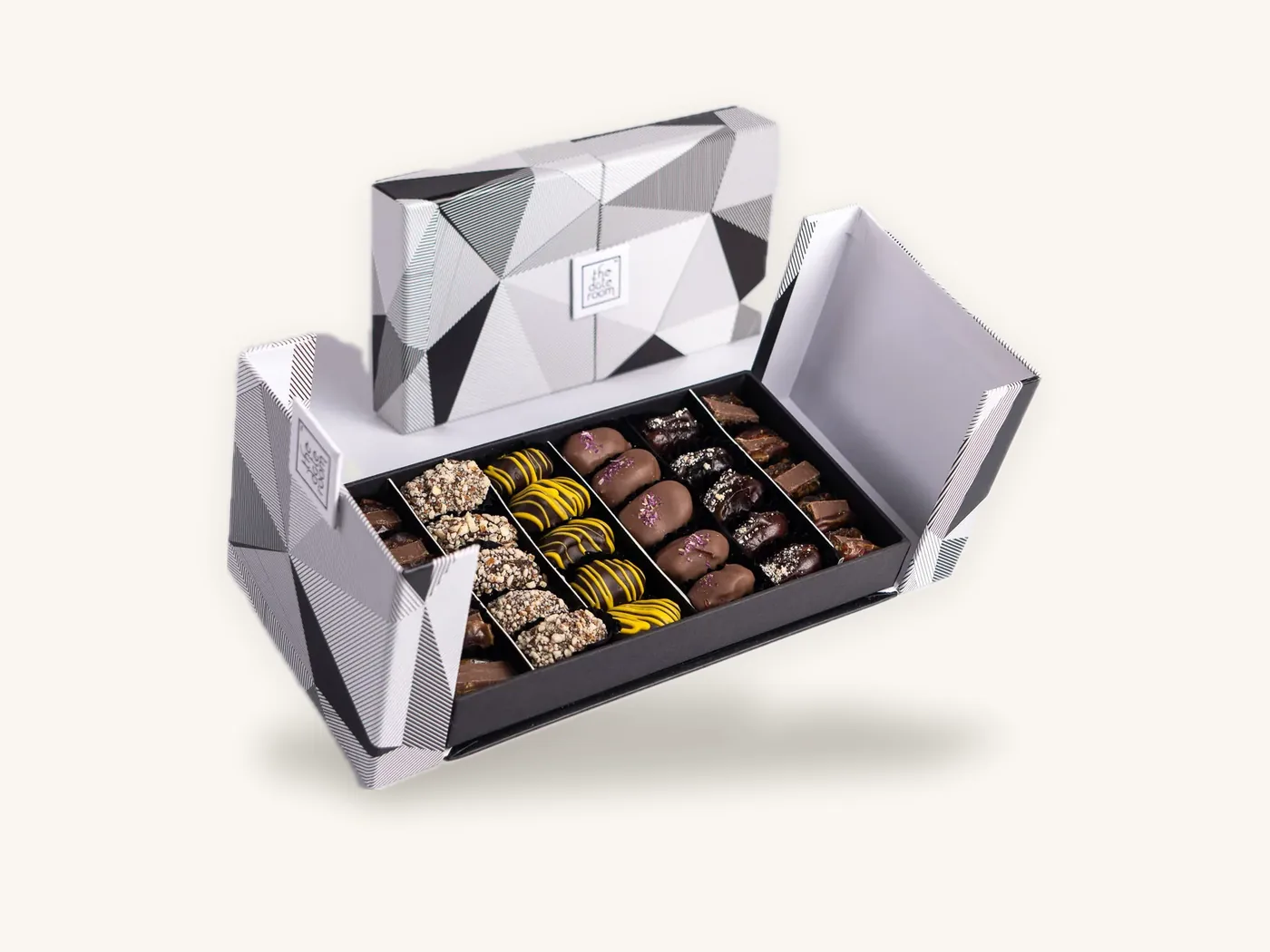
A luxury brand packaging strategy is not a single beautiful box. It is a system of packaging that looks and feels the same every time a customer meets the brand, whether that is a rigid box on a boutique counter, a shopping bag on the street, or a parcel on a doorstep. Customers paying a premium are quick to notice when one piece does not match the rest.
That system rests on three decisions: how consistent you can keep it across runs, channels and regions; which materials carry the brand's signals; and how much you spend at each touchpoint without eroding margin. This guide is about those strategic choices. If you want the construction details of rigid boxes, wraps and closures, our luxury packaging guide covers them.
Key takeaways
- Build a packaging architecture with clear tiers: a hero presentation box, secondary cartons, carry bags and a protective shipper. Each tier gets a different budget and a different job.
- Consistency is a documented standard, not a feeling. Named PMS colors, approved master samples, material specifications and defect definitions keep every run on brand.
- Choose materials for the signal they send: weight, surface texture, edge quality and how the box opens. Add finishes to support those signals, not to compensate for weak materials.
- Spend where the customer looks and touches first; simplify what they never see. One-time tooling such as foil at about $60 costs about six cents a box across 1,000 units.
- Evaluate high end packaging suppliers on color control, sampling discipline and repeat-order consistency, not only on unit price.
What a luxury packaging strategy actually covers
Most luxury brands start with one hero box and add pieces as they grow: a gift bag for the boutique, a mailer for e-commerce, a holiday edition. Without a plan, each piece is designed separately and the family drifts apart. Different blacks, different golds, different paper textures.
A packaging architecture solves that by defining every component upfront and giving each one rules.
| Tier | Typical component | Role | Common structure |
|---|---|---|---|
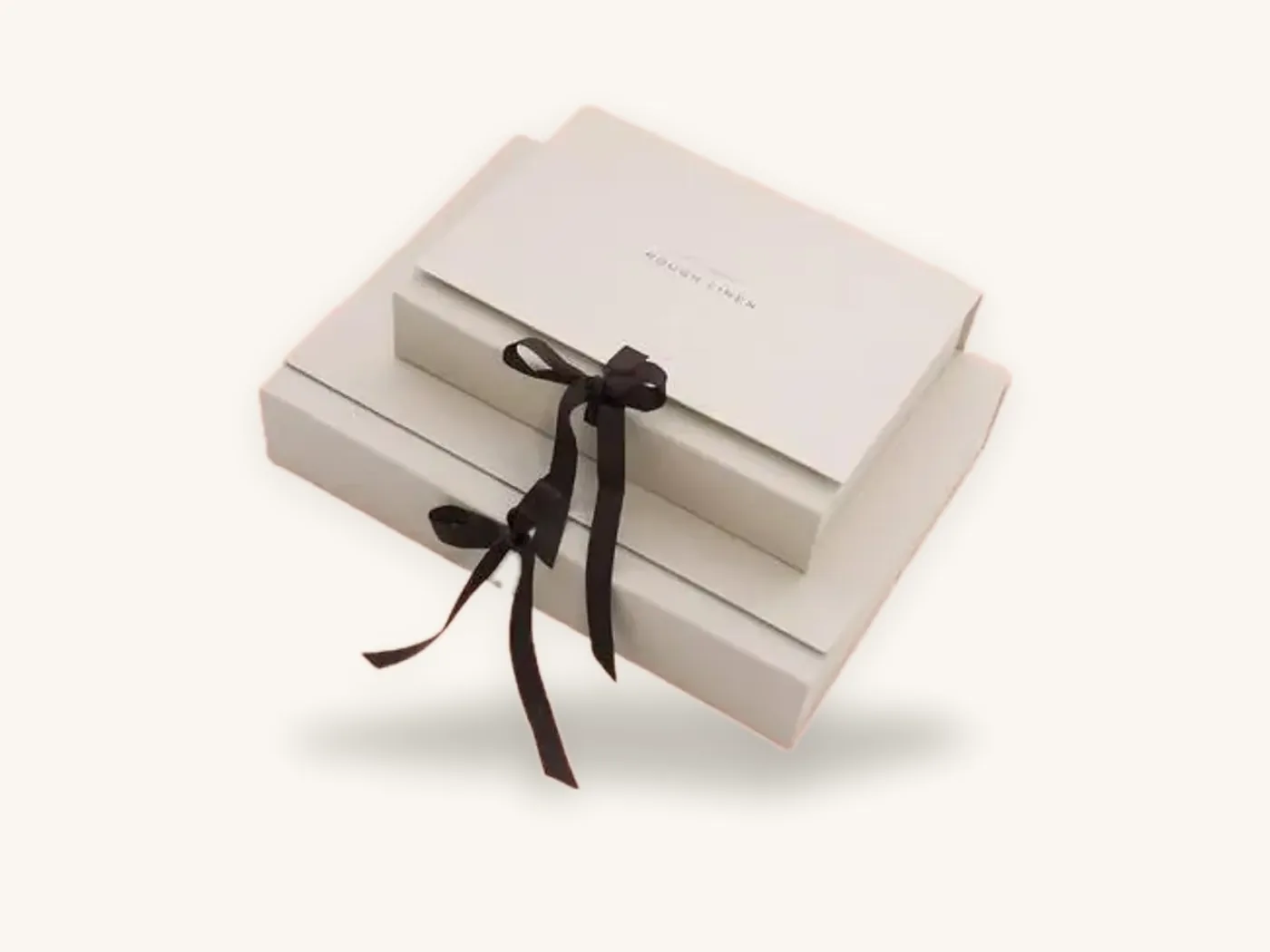
| Hero presentation | The box the product lives in | Signals value at first touch; often kept | Rigid shoulder-neck, magnetic closure or two-piece box |
| Secondary | Cartons for refills, accessories and smaller items | Extends the brand look at lower cost | Folding carton in premium board with soft-touch or foil |
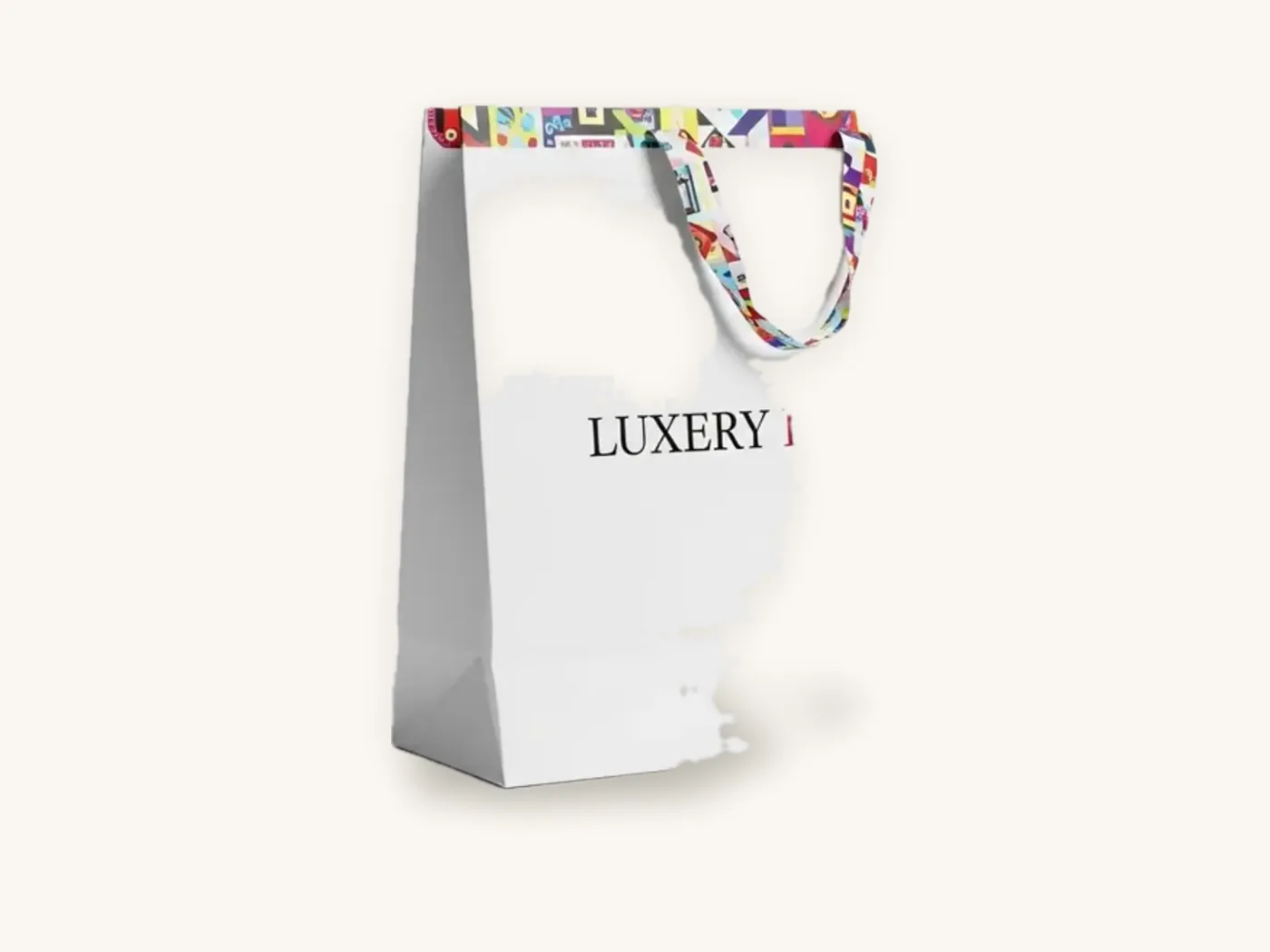
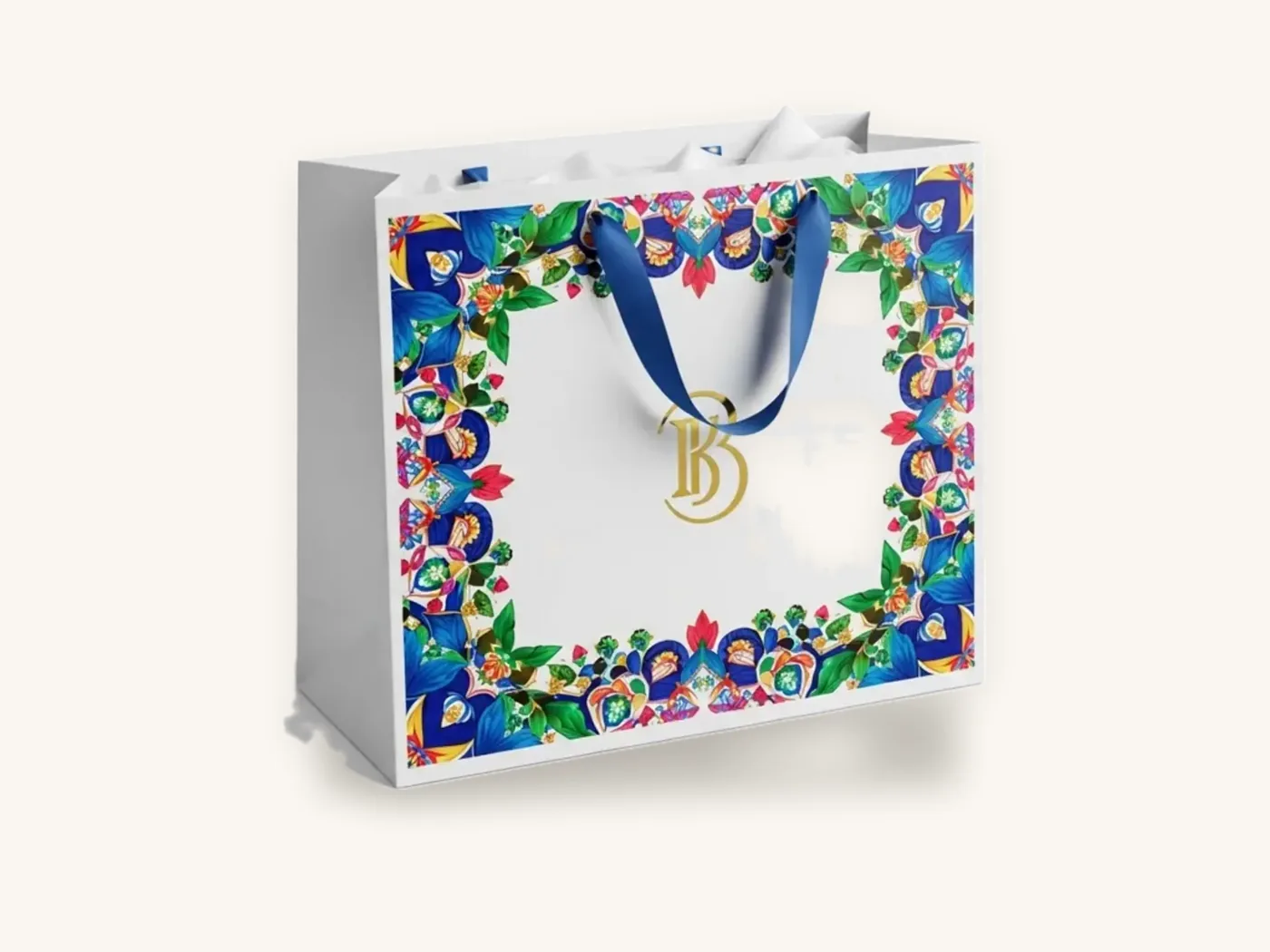
| Carry | Shopping bags and gift bags | Public brand exposure after purchase | Laminated paper bag with rope or ribbon handles |
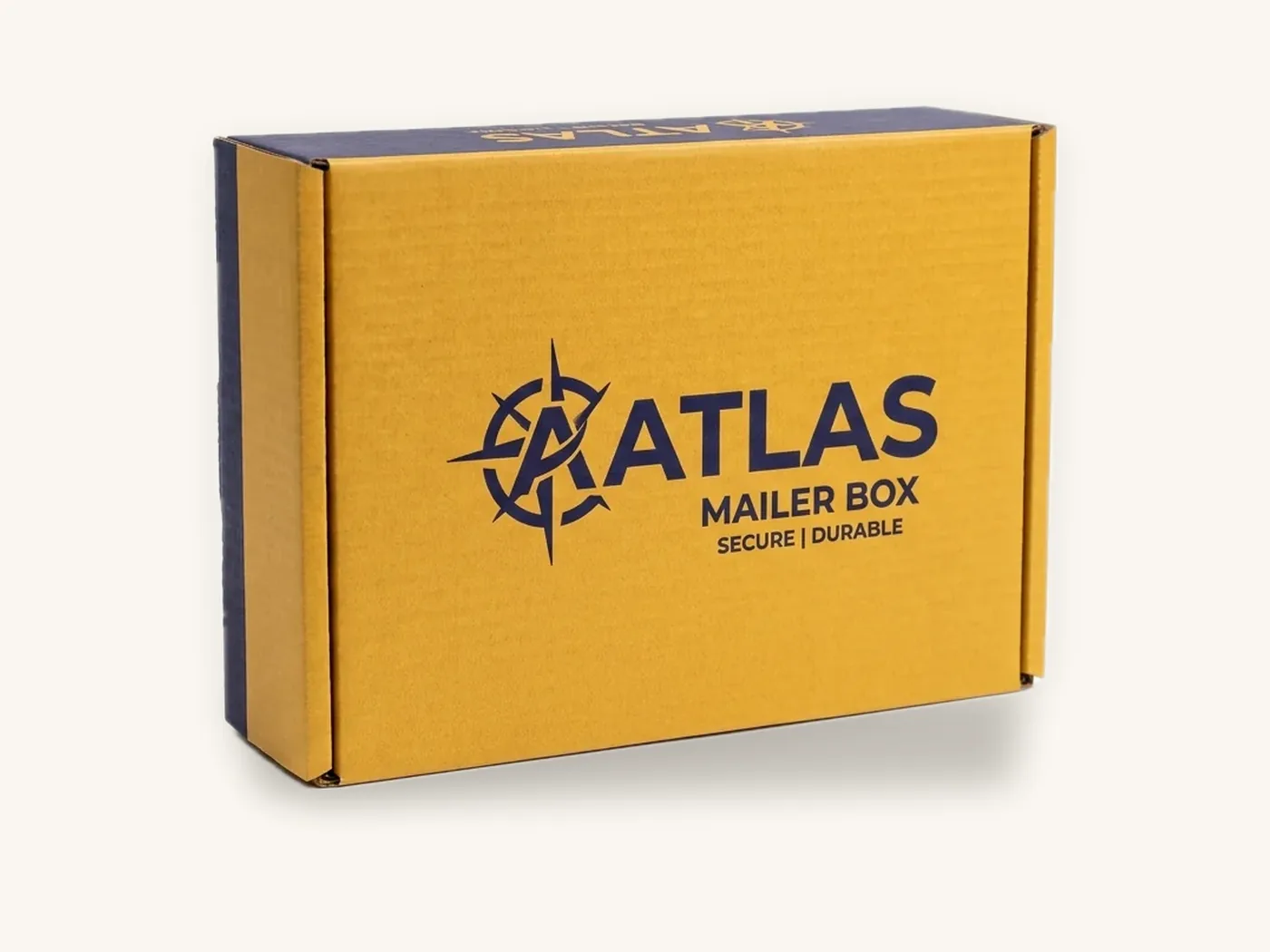
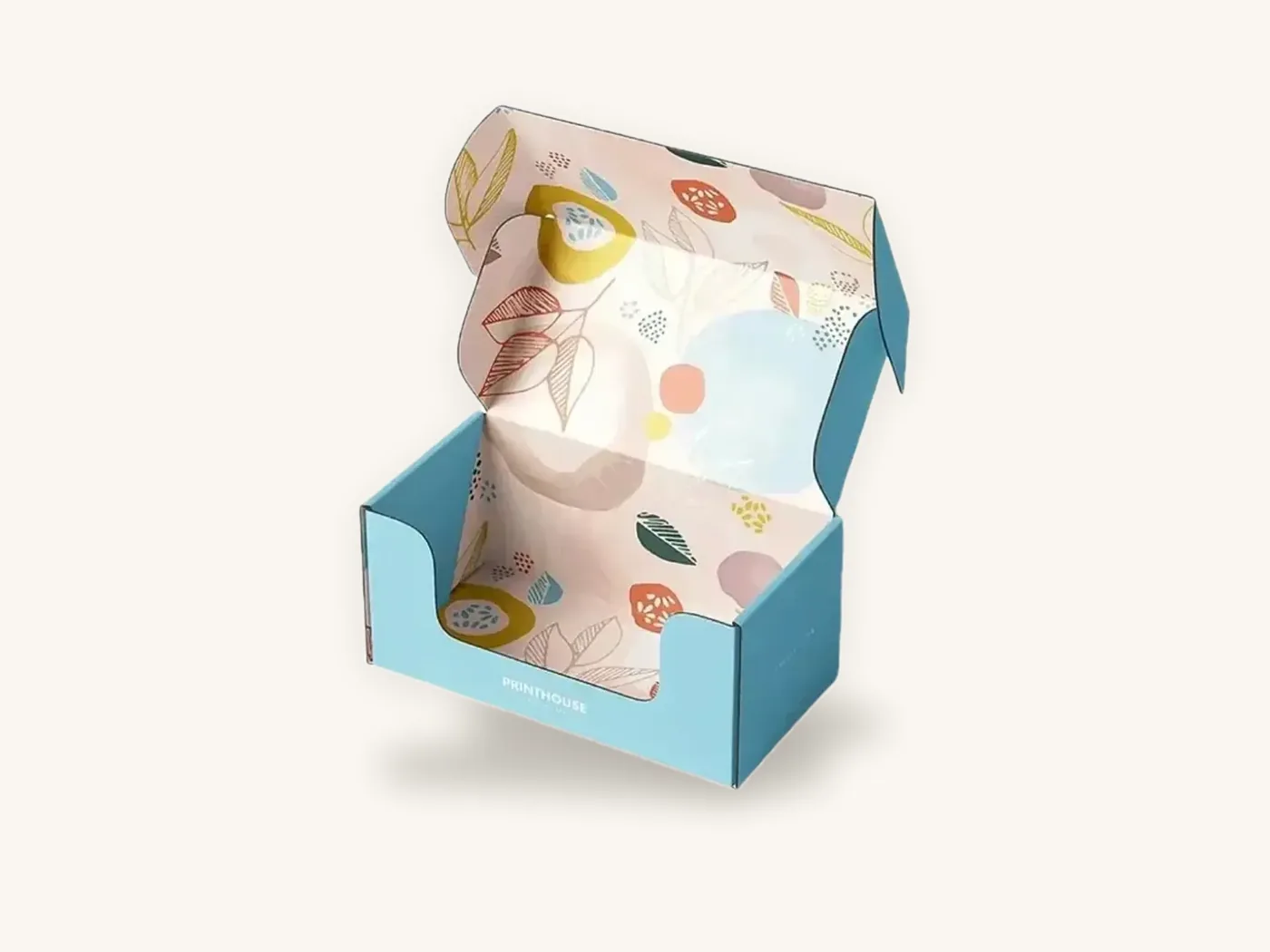
| Protective | E-commerce shipper | Gets the hero box to the customer unmarked | Printed mailer box, often with an insert |
| Ancillary | Tissue, cards, ribbons, seals | Rituals and details inside the hero box | Printed tissue, cotton-paper cards, woven ribbon |
Why tiering protects both brand and margin
Tiering makes spending decisions explicit. The hero box can use 2 mm greyboard, specialty wrap paper and foil. The secondary carton can borrow the same color, the same foil tone and the same typography on SBS board at a fraction of the cost, and still read as part of the family. The shipper's job is protection and a quiet brand mark, not a second presentation.
Consistency: the core of high end packaging
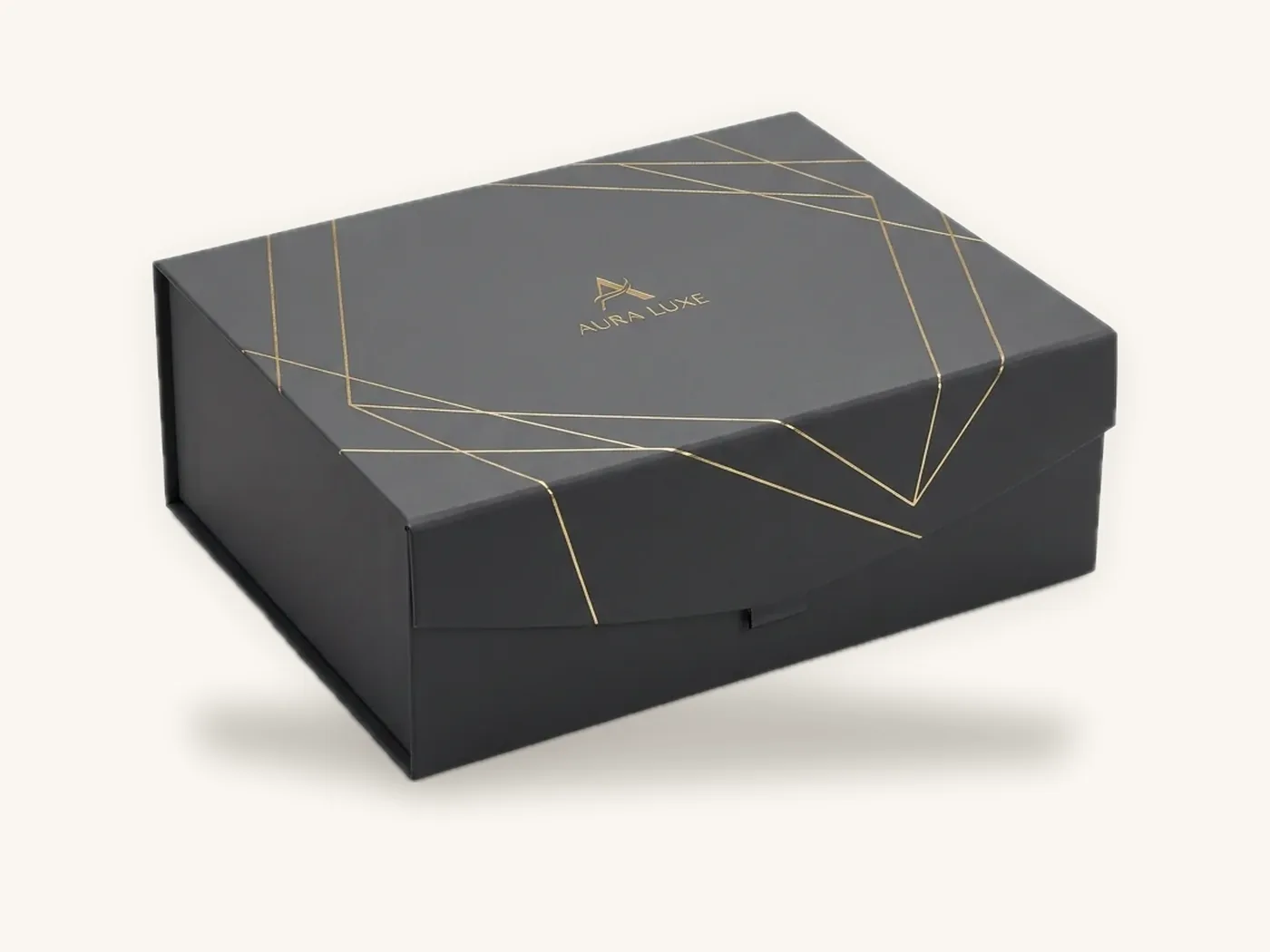
In luxury, the promise is that every experience matches the last. Packaging breaks that promise quietly: a black that looks slightly brown in one run, a foil that shifts from warm to cool gold, a lid that fits snugly in one batch and loosely in the next.
Where inconsistency comes from
- Color reproduction: CMYK builds vary between presses and runs. Rich blacks and deep brand colors are the most sensitive.
- Material lots: specialty papers and textured wraps can vary between production lots, especially in shade and texture depth.
- Finish variation: foil tone, soft-touch feel and embossing depth depend on tooling, pressure and the board beneath.
- Construction tolerances: rigid box lid fit depends on board thickness, wrap thickness and how precisely the corners are formed.
- Multiple suppliers or regions: two plants working from the same file can produce visibly different results without a shared physical standard.
Build a packaging standards document
A standards document turns your brand guidelines into specifications a factory can meet. Use this checklist to build one:
- Named colors. Specify PMS references for every brand color instead of relying on CMYK values from a design file. See our CMYK vs Pantone guide.
- Approved master samples. Keep signed physical samples of each component, stored away from light, as the reference for future runs.
- Material specifications. Board type and thickness, wrap paper name and weight, lamination type.
- Finish specifications. Foil color reference, embossing depth, spot UV areas, marked on the dieline.
- Construction tolerances. Acceptable lid fit, corner quality and dimension variance.
- Defect definitions. What counts as a reject: wrap bubbles, corner lifts, foil breaks, visible glue, scuffs.
- Packing and storage requirements. How finished boxes are wrapped, stacked and shipped to prevent scuffs on soft-touch surfaces.
- Version control. Artwork file names and revision dates, so an outdated file never reaches press.
Our packaging print tolerances guide explains what variation is realistic, which helps you set standards a supplier can actually hold.
Tip: when you approve a new run, compare it side by side with the master sample under the same light, not with the previous run. Comparing to the last run lets small shifts accumulate into a visibly different box over a few years.
Choosing materials that signal value
Luxury customers read materials through their hands before their eyes register the artwork. Weight, rigidity, surface texture, clean edges and the resistance of a lid all communicate quality.
Matching materials to brand signals
| Signal you want | Material or construction choice | What to watch |
|---|---|---|
| Heft and permanence | 2 mm rigid greyboard with wrapped paper | Adds shipping weight and storage volume |
| Quiet, tactile refinement | Soft-touch lamination or uncoated textured paper | Soft-touch can scuff; uncoated paper can mark |
| Craft and heritage | Linen, felt or other textured specialty wraps | Lot-to-lot shade variation; confirm with samples |
| Ceremony when opening | Shoulder-neck construction with a slow lid lift | Tight tolerances needed for the right resistance |
| A clean, modern edge | Magnetic closure with crisp wrapped corners | Magnets add weight; corner quality must be consistent |
| Restraint | Single foil or blind deboss, no full-color print | Every imperfection is more visible on a minimal design |
The rigid greyboard and textured and specialty papers pages show what we run, and our specialty papers guide compares wrap options in more detail.
Structure as a brand signal
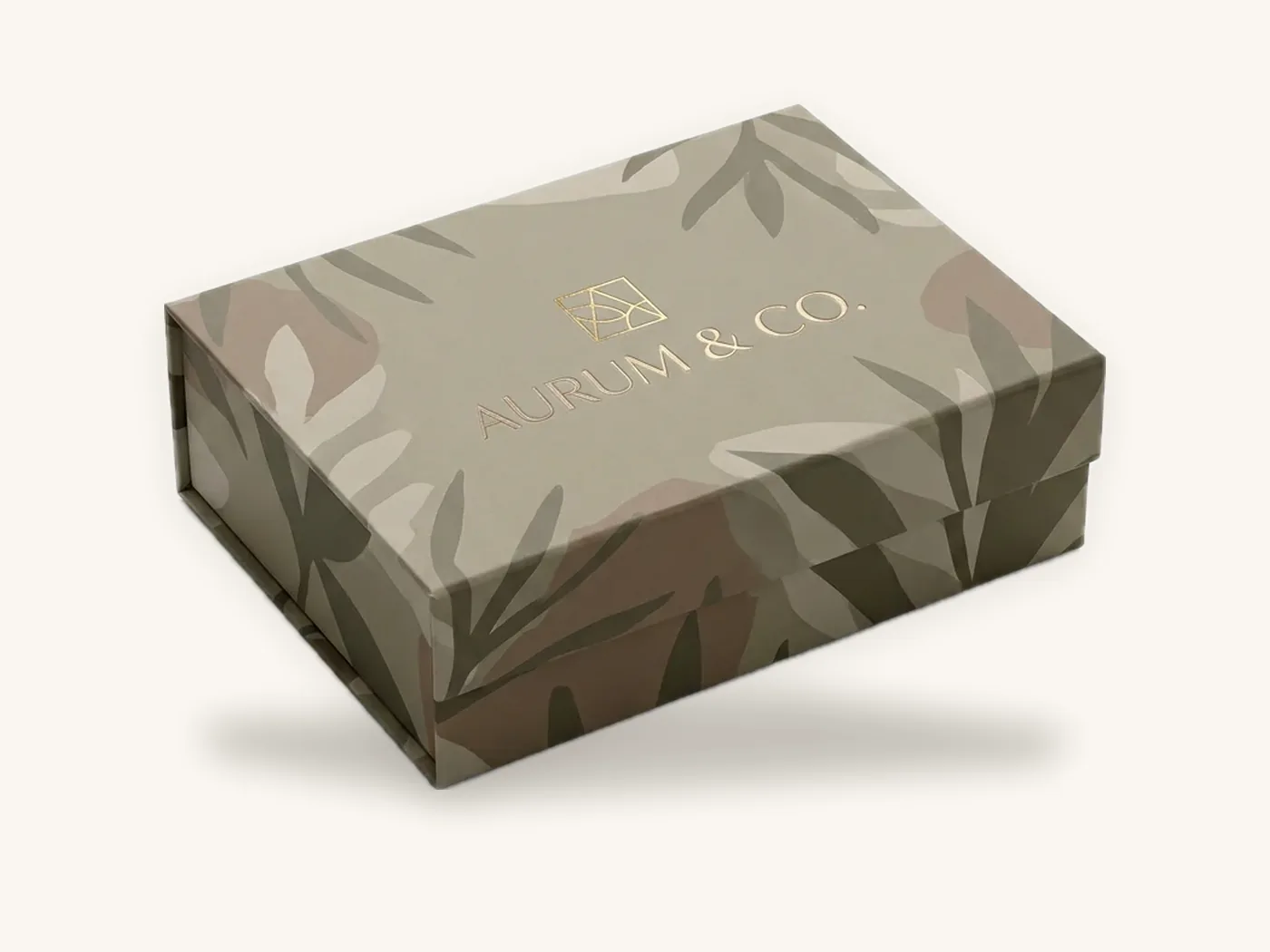
Shoulder neck boxes have an inner collar that the lid slides over, which slows the opening and makes it feel deliberate. Magnetic closure boxes close with a soft, satisfying snap and work as keepsakes. Luxury gift boxes in two-piece rigid form are the most familiar format for gifting. Pick one signature structure for the hero tier and use it consistently; switching structures across product lines weakens recognition.
Finishes support materials; they do not replace them
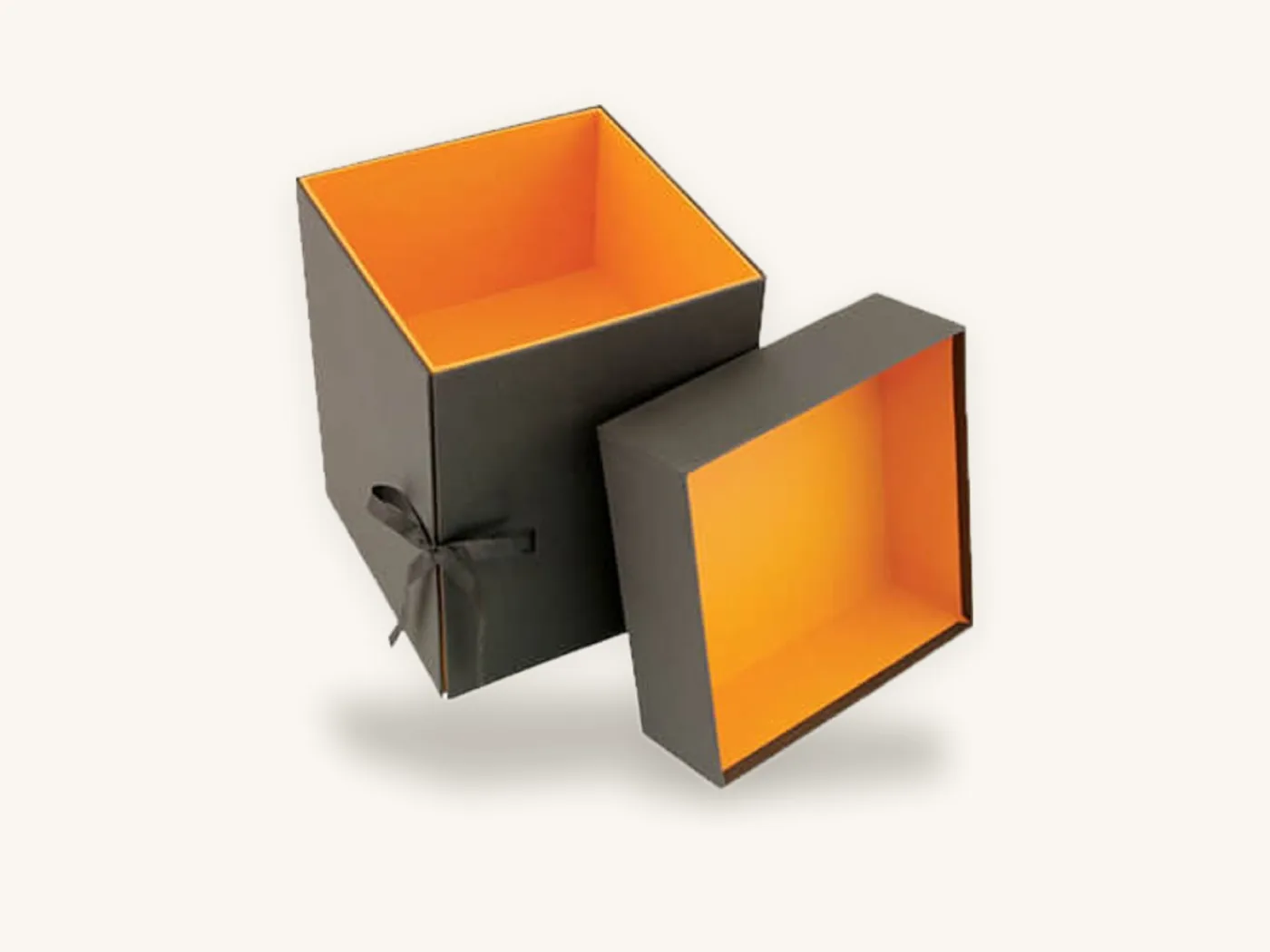
Foil stamping, embossing and spot UV look best on a strong base. A single, well-placed foil logo on a textured wrap usually reads as more expensive than several finishes layered on a plain board. Our foil stamping guide covers foil selection, and the printing and finishes page shows every option.
Protecting margin without cheapening the brand
Luxury margins can absorb meaningful packaging costs, but that is not a reason to spend without a plan. The goal is to put money where it shapes perception and remove it where it does not.
The luxury packaging cost ladder
These indicative per-unit prices include free US shipping and show how structure and finish change cost. Use the instant price estimator for your exact spec.
| Spec | 250 | 1,000 | 5,000 |
|---|---|---|---|
| Cosmetic carton, 18 pt SBS, 2.5x2.5x6 in, soft-touch and foil | $1.37 | $0.86 | $0.61 |
| Jewelry rigid box, 2 mm, 3x3x1.5 in, matte, foil, insert | $2.38 | $1.49 | $1.06 |
| Rigid box, 2 mm greyboard wrapped, 8x6x3 in, full color, matte | $6.47 | $4.05 | $2.87 |
| Rigid magnetic box, 2 mm, 10x8x3 in, soft-touch, foil, insert | $10.12 | $6.32 | $4.49 |
| Mailer box, E-flute, 10x8x4 in, full color inside and outside (shipper) | $3.08 | $1.92 | $1.36 |
For the detailed drivers behind rigid box pricing, see our rigid box cost guide.
Tooling amortization
One-time tooling applies only to foil, embossing, spot UV and custom inserts: about $60 for foil, $60 for embossing, $40 for spot UV and $45 for an insert die. Spread across a run, those charges shrink quickly. Foil at about $60 adds roughly twenty-four cents per box across 250 units and roughly six cents across 1,000. Foil plus embossing adds roughly twelve cents per box at 1,000. At luxury volumes, tooling is rarely the reason to cut a finish.
Where to spend and where to save
- Spend on the hero box structure, the wrap material and the one finish that carries the logo.
- Spend on inserts that present the product precisely; a product that shifts in a rigid box undoes the effect.
- Save on secondary cartons by reusing the hero palette and foil tone on SBS board.
- Save on the e-commerce shipper: a well-fitted printed mailer protects the hero box and carries a restrained mark.
- Save by limiting the number of hero box sizes. Every extra size fragments volume and pushes each run into a higher price tier.
Worked example: hero plus shipper
Say an e-commerce order ships a product in a 10x8x3 in rigid magnetic box with soft-touch, foil and insert, inside a 10x8x4 in mailer printed inside and outside. At 1,000 units, the hero box is about $6.32 and the shipper about $1.92, a combined packaging cost a little over eight dollars. At 250 units the same pair is roughly thirteen dollars.
If the brand ships more through boutiques than online, the shipper disappears from most orders and a shopping bag takes its place. Model packaging cost per channel, not as a single average. The luxury shopping bags page covers bag options; bag pricing depends on size, handles and finish, so request a quote for your spec.
Watch out: over-packaging can read as waste rather than luxury, especially to customers who care about sustainability. Extra layers of plastic film, oversized boxes and excess fill cost money and can work against the brand. Every layer should have a job.
Packaging across channels: boutique, e-commerce, wholesale and events
The same product reaches customers in different contexts, and each context stresses packaging differently.
Boutique and flagship
The hero box is presented by hand, often wrapped with tissue and ribbon and placed in a shopping bag. Scuffs from handling in the stockroom are the main risk, so plan storage and inner packing that protects soft-touch and wrap surfaces.
E-commerce
The customer's first touch is the shipper, not the hero box. A printed mailer with an insert that holds the rigid box still, plus a card or tissue layer, bridges the gap between a parcel and a boutique experience. Keep the shipper exterior discreet; high-value products shipped in obviously branded boxes can attract attention in transit.
Wholesale and department stores
Retail partners may require specific outer cartons, barcodes or case packs. Clarify those requirements early so the hero box dimensions fit the partner's shelving and case pack rules.
Events, launches and trade shows
Launch events, press gifting and trade shows need smaller quantities with high impact, often personalized. Short digital runs and the 10-box minimum make this practical. Our packaging for trade shows guide covers display and sample packaging for those settings.
Limited editions without diluting the brand
Seasonal and collaboration editions create urgency and give collectors something to keep. They also risk fragmenting the packaging family if each edition reinvents the design.
A reliable approach is to fix the structure, materials and logo placement, and vary one or two elements: a wrap color, a foil tone, a printed pattern on the inside lid, or a numbered seal. Customers recognize the house immediately and still see something new.
Plan limited editions with the same lead-time discipline as core packaging. Specialty wraps and new foil tones should be sampled before the campaign date is set, and quantities should be forecast conservatively, since an edition box has no use after the season.
Sustainability in luxury packaging
Luxury and sustainability do not have to pull against each other. The most credible approach removes unnecessary materials rather than adding green messaging.
- Design for keeping. A rigid box customers reuse for storage has a longer life than a single-use carton.
- Choose recyclable combinations. Paper wraps and aqueous coatings recycle more easily than heavy plastic laminations; discuss the trade with your supplier.
- Use plastic-free inserts such as paperboard or molded pulp where the product allows.
- Consider collapsible rigid boxes, which ship and store flat. Our collapsible rigid boxes guide explains how they compare.
- Source certified board. FSC-certified boards and soy or water-based inks are available.
Any environmental claim printed on packaging should be accurate and qualified. In the US, the FTC's Green Guides describe how to make those claims; confirm current guidance with counsel.
How to evaluate luxury packaging suppliers
The cheapest quote for a rigid box is rarely the lowest-cost supplier for a luxury brand. A reprint, a rejected run or a slowly drifting color costs far more than a small unit-price difference.
Questions to ask any supplier
- How do you control color between runs? Do you keep approved samples on file?
- Can you provide a printed sample of approved artwork before full production?
- What are your construction tolerances for lid fit and corner wrapping?
- How are finished rigid boxes packed to prevent scuffs in transit?
- What happens if a delivery has defects, and how quickly must they be reported?
- Can the same spec be produced consistently for different regions?
Our packaging supplier red flags guide lists warning signs, and the packaging branding guide helps translate brand identity into packaging rules before you brief anyone.
How to order luxury packaging from Box Sense
Box Sense is a manufacturer with in-house printing, die-cutting, gluing and finishing, with locations in the United States, the United Kingdom and the United Arab Emirates, shipping worldwide.
What to send
- Your packaging architecture: which tiers you need now and later
- Product dimensions and weights for each hero box
- Preferred structure (shoulder-neck, magnetic, two-piece, drawer) or a request for recommendations
- Materials: board thickness, wrap paper or specialty stock references
- Finishes: foil color, embossing, spot UV, lamination, marked on reference artwork
- PMS references for brand colors
- Quantities per component and planned reorder frequency
- Any master samples from previous suppliers you want matched
How the process works
- Quote within 24 hours, priced at the quantities you name.
- Free design support: dieline, artwork setup, a 3D digital proof and two revision rounds. Our design services team can build the packaging family from your brand guidelines.
- Samples: unprinted structural samples are free, so you can judge lid fit and opening feel. A printed sample of approved artwork is free on orders of 100 or more. See samples.
- Production: standard 8–12 business days after proof approval.
- Delivery: free shipping on every US order, international shipping quoted at cost.
The minimum order is 10 boxes, which suits launch editions and press gifting. There are no die or plate charges, and defective boxes reported within 14 days are reprinted free. Brands in jewelry and accessories and fragrance and perfume will find category-specific structures on those pages.
Frequently asked questions
What makes packaging feel luxury?
Mostly materials and precision rather than decoration. Rigid board with real weight, a tactile wrap or soft-touch surface, clean wrapped corners, a lid that opens with controlled resistance and a single well-executed finish such as foil all signal quality. Consistency matters too: the box should feel identical every time, so tight construction tolerances and color control are part of the effect.
How much should a luxury brand spend on packaging?
There is no universal percentage. Model packaging cost per channel and per tier, then compare it with the value each touchpoint creates. Spend most on the hero box customers keep, and simplify secondary cartons and shippers. As a reference, a 10x8x3 in rigid magnetic box with soft-touch, foil and an insert is about $6.32 per unit at 1,000.
How do luxury brands keep packaging consistent across production runs?
They document a packaging standard: named PMS colors, approved physical master samples, material and finish specifications, construction tolerances and defect definitions. Each new run is compared against the master sample under the same lighting, not against the previous run. Working with suppliers who keep approved samples on file and offer printed pre-production samples also helps.
What is the difference between a shoulder neck box and a magnetic closure box?
A shoulder neck box is a rigid box with an inner collar that the lid slides over, which slows the opening and creates a sense of ceremony. A magnetic closure box has a hinged lid held shut by concealed magnets, giving a soft snap and making it easy to reuse. Both are rigid; the choice depends on the opening experience you want.
Are luxury boxes recyclable?
Many can be, depending on materials. Paper-wrapped greyboard with aqueous coatings and paperboard inserts is generally easier to recycle than boxes with plastic lamination, foam inserts or glued-in magnets. Designing a box customers keep and reuse also extends its life. Any recyclability claim printed on packaging should be accurate and qualified under FTC guidance.
How do I choose a luxury packaging supplier?
Look beyond unit price. Ask how the supplier controls color between runs, whether it keeps approved samples, what construction tolerances it holds for rigid boxes, how finished boxes are packed to avoid scuffs, and how defects are handled. Request structural and printed samples before committing, and compare them against your standards document.
Can a luxury brand order small quantities of custom rigid boxes?
Yes. Box Sense produces custom packaging from 10 boxes, which suits launch editions, press kits and event gifting. Unit prices are higher at small quantities, so many brands order a short run for a launch and a larger run once demand is clear. Foil, embossing, spot UV and custom inserts carry one-time tooling charges.
Next steps
List every packaging tier your brand uses today, gather your PMS references and best existing samples, and decide where each tier sits on the cost ladder. Then price your hero box and shipper together in the luxury packaging estimator and request a luxury packaging quote, and we will confirm pricing within 24 hours and prepare structural samples for review.
Boxes in this guide
Order the packaging we covered
Written by the Box Sense Packaging Team
Our structural designers, prepress technicians and production staff print and convert custom boxes every day for brands in the United States, United Kingdom and UAE. Questions about this guide? Talk to us.