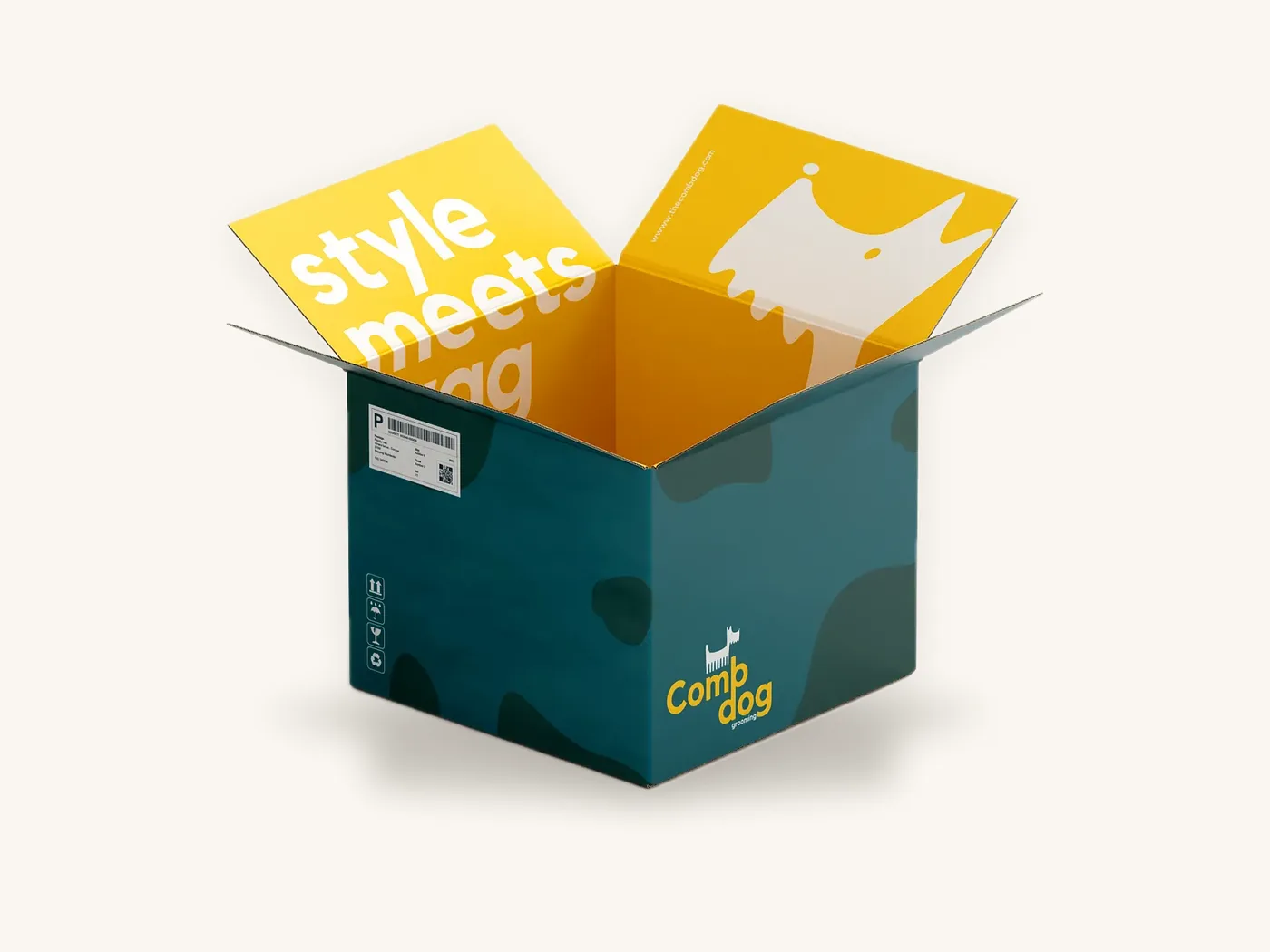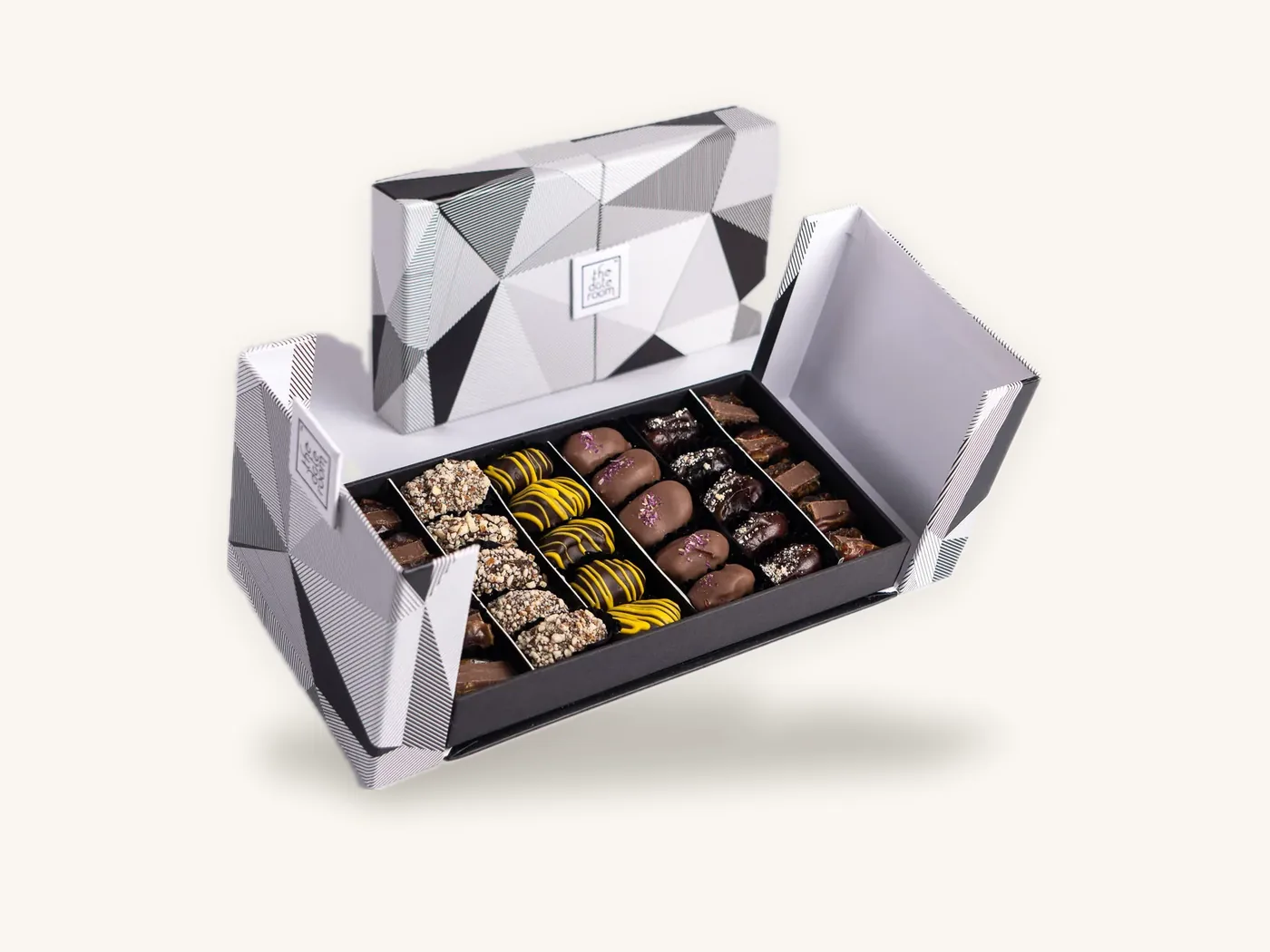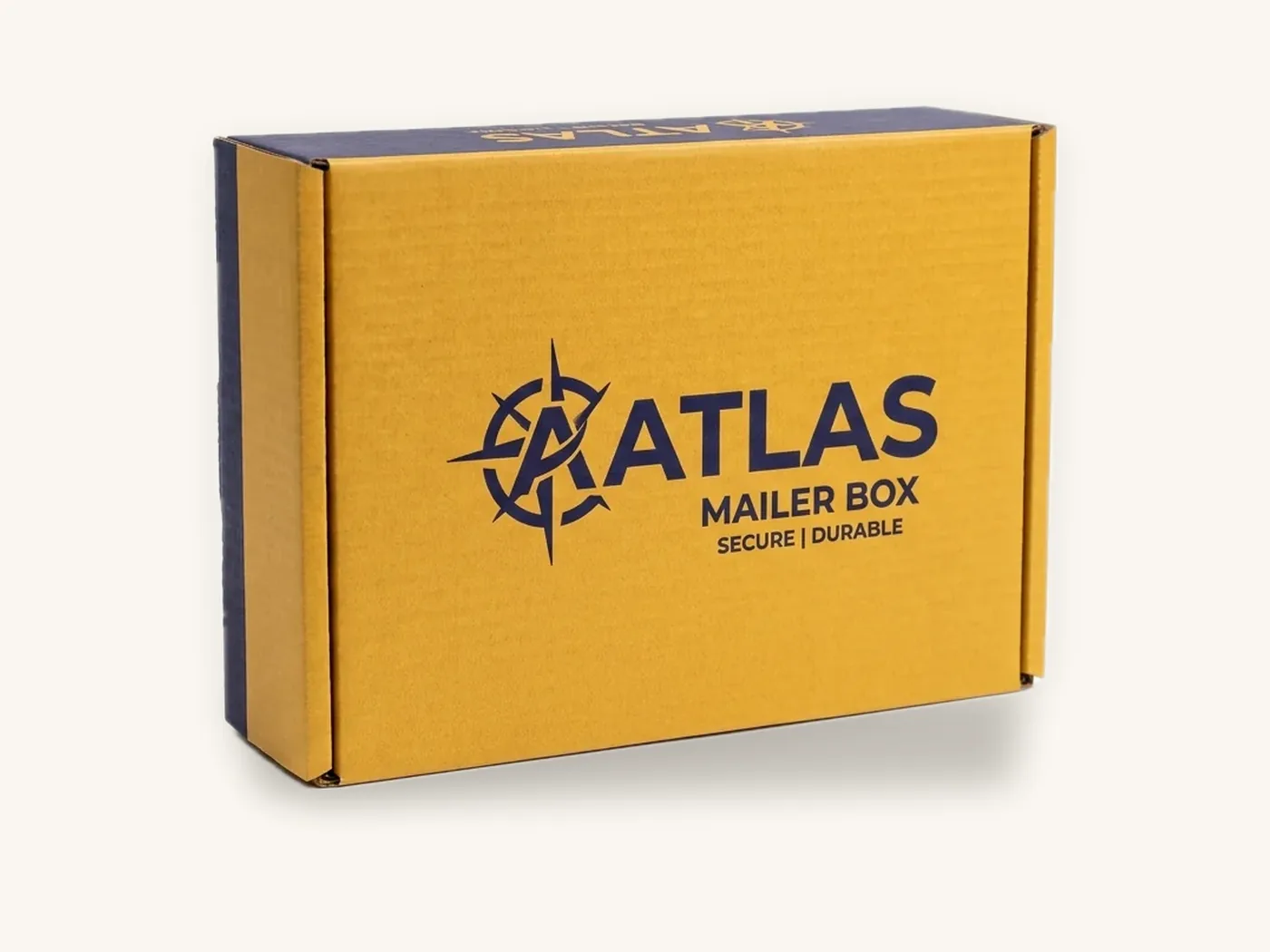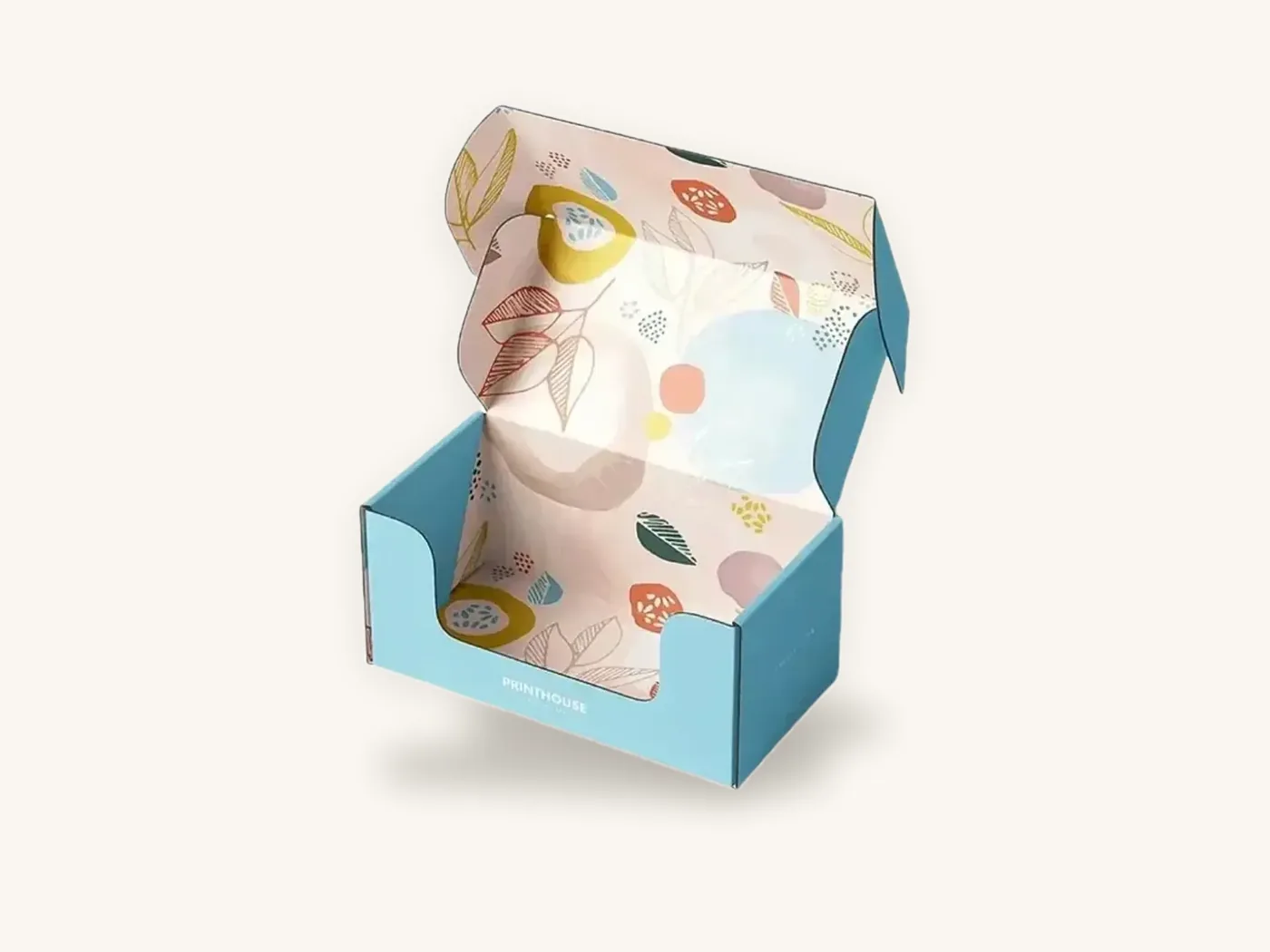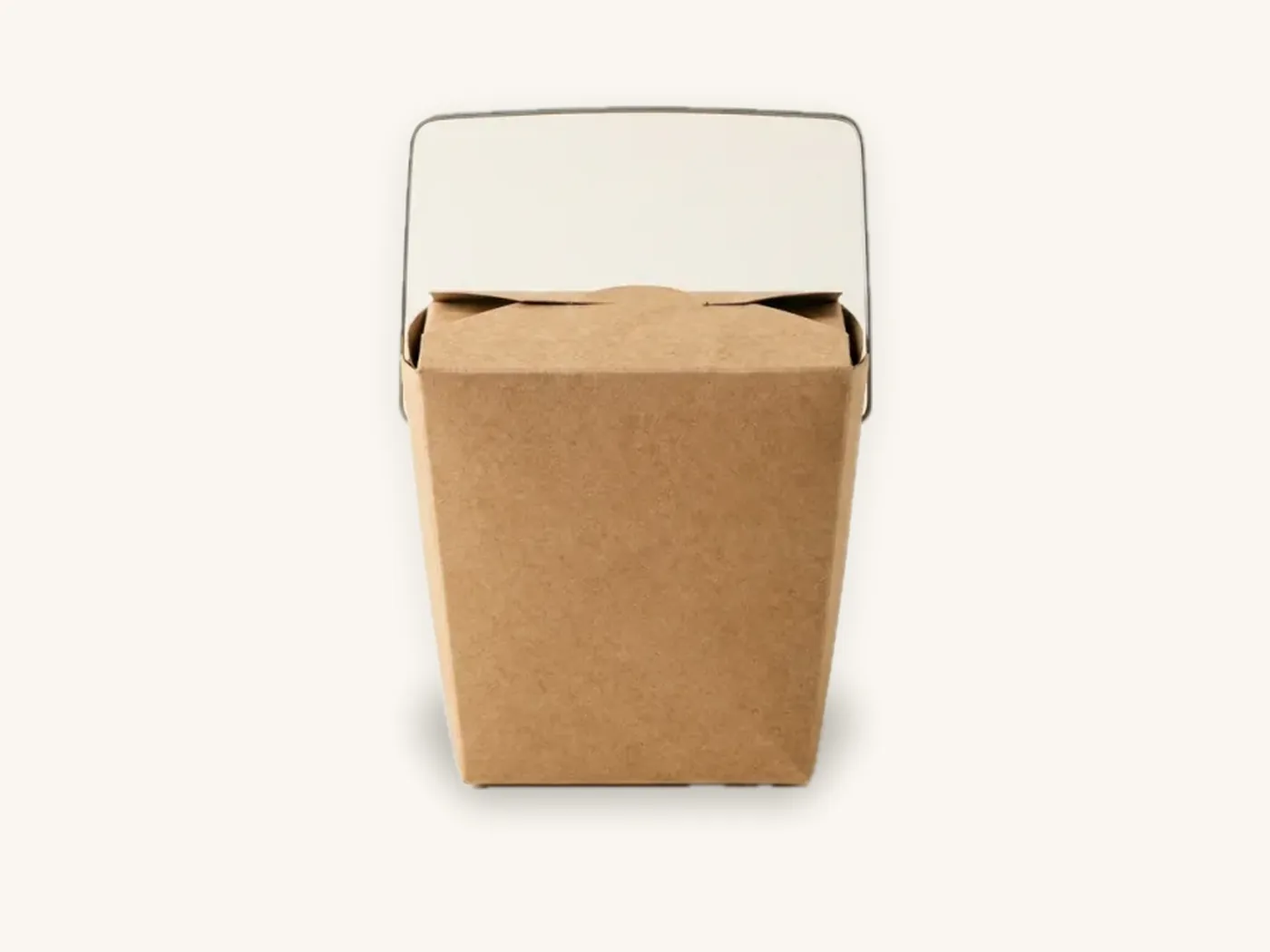
A good restaurant packaging strategy does three things at once: it gets food to the customer in the condition the kitchen sent it, it makes the brand visible on every to-go order, and it keeps packaging cost and waste in proportion to the ticket. Most restaurants can achieve all three without printing every container. Brand the pieces customers see and carry, standardize the pieces they do not, and cut components that add cost without protecting the food.
This guide is about decisions, not container specs. It covers where branded takeout packaging earns its cost, how to calculate packaging cost per order, how to reduce waste without hurting food quality, and what delivery apps change about packaging. For a detailed look at structures such as clamshells, noodle boxes and trays, see our takeout packaging guide.
Key takeaways
- Brand the high-visibility layer first: the bag, the cup and a seal sticker are seen by the customer and often by others. Inner containers can stay plain.
- Track packaging cost per order as a share of the average ticket, and review it by menu category, not as one blended number.
- Most packaging waste comes from oversized containers, duplicated layers and items customers never asked for, not from the choice of material alone.
- Delivery changes the brief: containers must survive a longer, bumpier trip, hold heat and moisture sensibly, and show if a bag has been opened.
- Food-contact materials, inks and coatings must be suitable for their use; confirm requirements with the FDA and your local health authority.
- Many cities and states regulate foodware materials and single-use items, so check local rules before choosing a material or claim.
What restaurant packaging has to do
Packaging for a dining room plate ends when the plate leaves the table. Restaurant to go boxes keep working for twenty minutes or more after the food leaves the pass, often in a car, on a bike or in a delivery bag with someone else's order.
Protect the food
The first job is functional: hold temperature, manage steam and grease, keep sauces from leaking and stop items from shifting. A crisp item that arrives soggy costs you more in reputation than any branding can recover. Container structure, venting and separation matter far more here than print.
Carry the brand
For many customers, a takeout or delivery order is their only experience of your restaurant. The bag on the counter at home, the cup carried down the street and the box opened at an office desk are brand touchpoints. Our packaging branding guide covers visual consistency in more depth.
Control cost and waste
Packaging is one of the few variable costs on a to-go order that the restaurant fully controls. Every unnecessary lid, bag or napkin bundle adds cost and trash. A deliberate strategy trims both without affecting food quality.
Where branded takeout packaging pays off
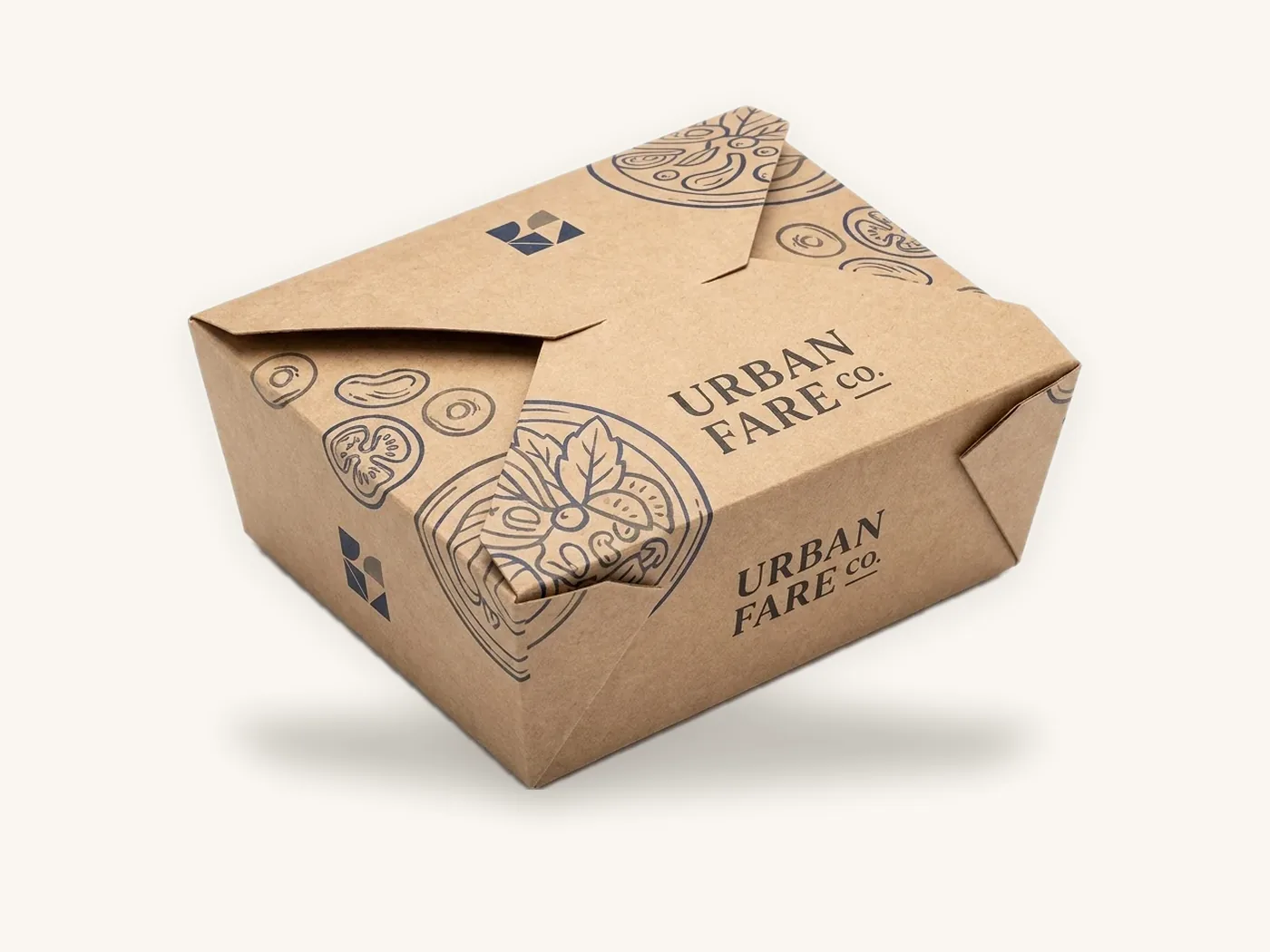
Not every container needs your logo. The question to ask of each component is: who sees it, for how long, and in what setting?
| Component | Who sees it | Branding value | Recommended approach |
|---|---|---|---|
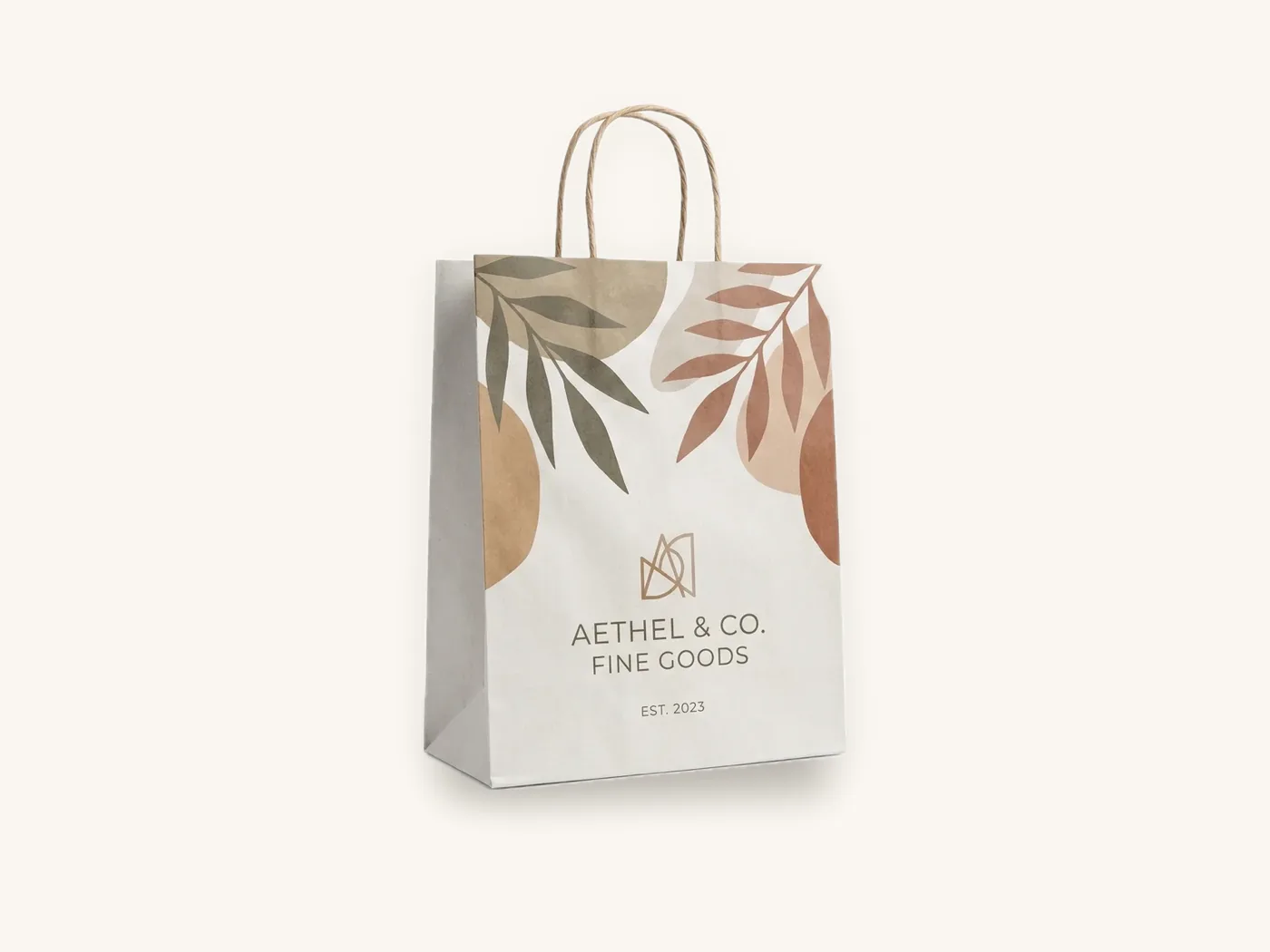
| Carry bag | Customer, driver, people nearby, anyone at the destination | High; it travels and is often reused | Custom printed paper bag |
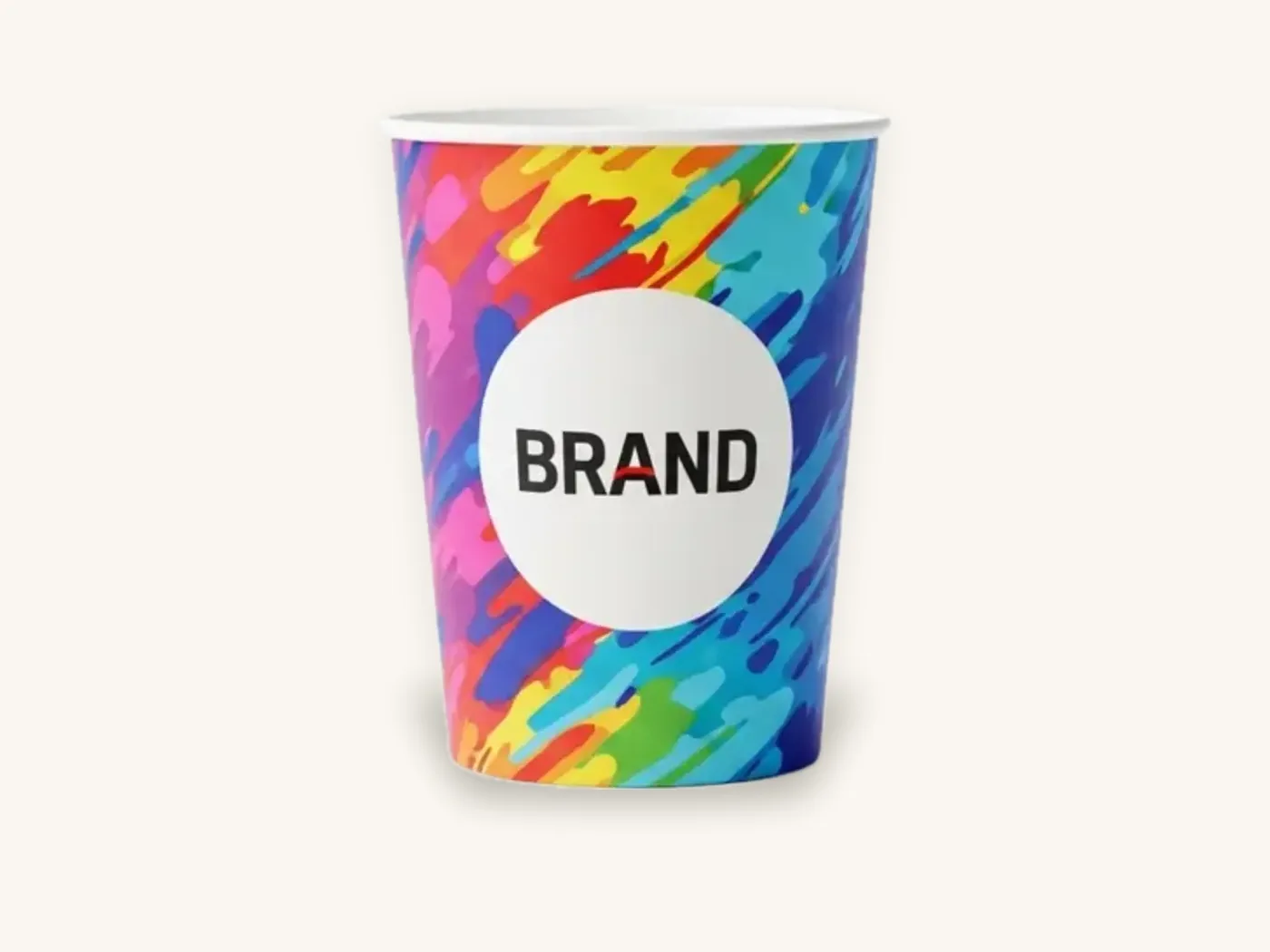
| Hot and cold cups | Customer and passersby, often for an extended time | High; carried in public | Printed paper cups or plain cups with a printed cup sleeve |
| Bag seal or sticker | Customer on opening | Medium; also signals tamper evidence | Custom labels and stickers |
| Signature item box | Customer at the table or desk | Medium to high for hero items | Printed box for one or two signature items |
| Standard food containers | Customer briefly | Low | Plain stock containers, possibly with a sticker |
| Sauce cups, lids, cutlery | Customer briefly | Very low | Plain; offer only on request |
The bag and the cup do the most work
A printed bag is seen by the driver, by colleagues at an office and often reused for days. A branded cup is carried in public. Those two items give the widest reach per unit, which is why many restaurants print them first and keep inner containers plain.
Signature items deserve their own box
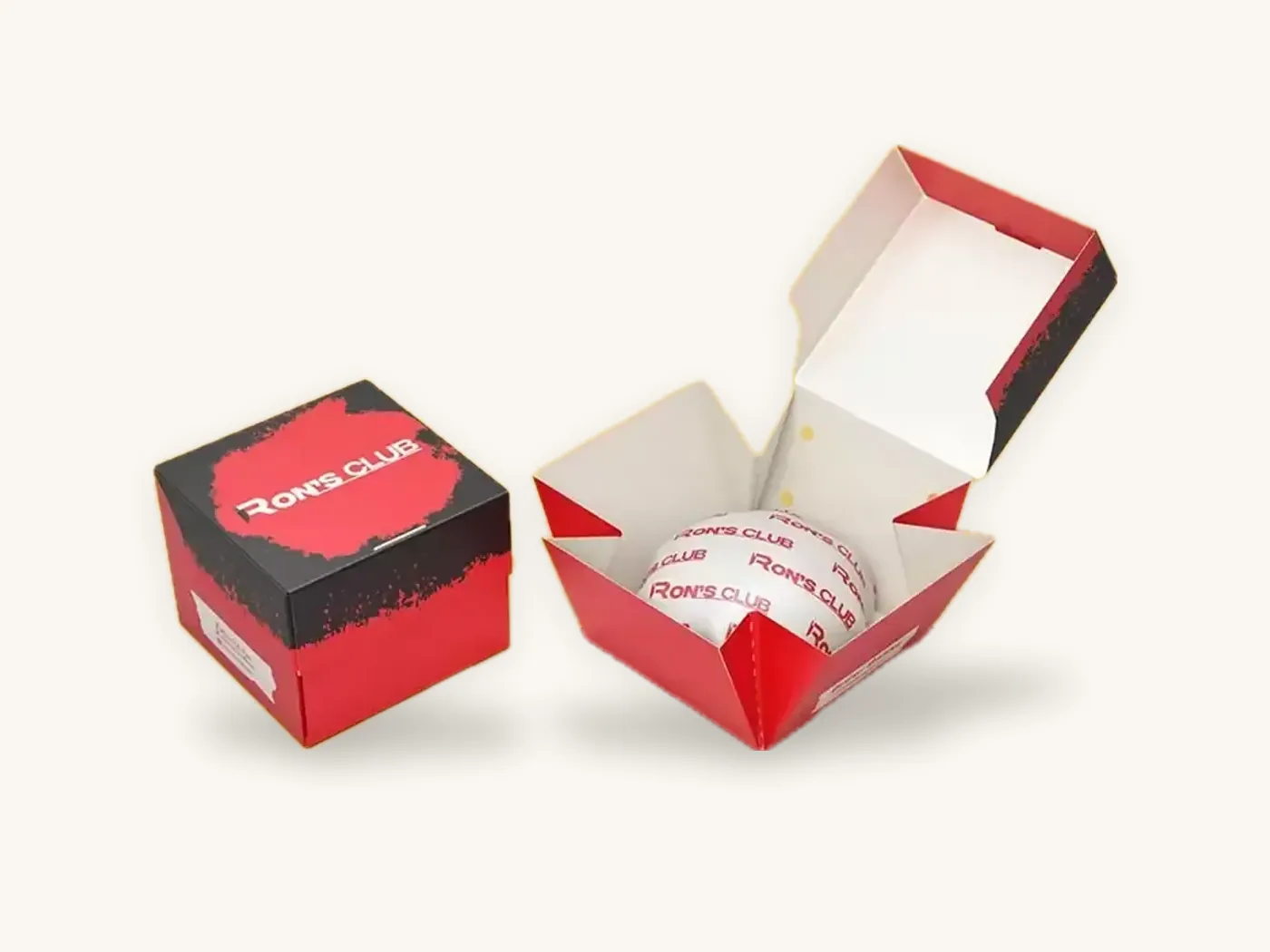
If one dish defines your restaurant, a printed box for that item alone can be worth it. Think of a signature burger, a dessert or a family-style platter. Burger and sandwich boxes or a custom-printed box for a pastry turn the item people photograph into a branded moment.
Stickers bridge the gap
A custom sticker applied to a plain container or used to seal a bag gives consistent branding across everything, lets you change messaging seasonally and costs little per order. It also shows the customer that the bag has not been opened since it left your counter.
Tip: before ordering printed packaging, photograph a complete to-go order from the customer's point of view, as it arrives on a doorstep and as it is unpacked on a table. Brand whatever appears most in those photos first.
Calculating packaging cost per order
Packaging cost is easy to underestimate because it is spread across many small items bought in bulk. Calculating it per order turns a vague expense into a number you can manage.
Build the cost of a typical order
List every packaging component in a typical order for each order type: dine-in to-go, pickup and delivery. Include the containers, lids, cups, sleeves, bags, stickers, napkins, cutlery, sauce cups and any liners. Multiply each by its unit cost from your supplier invoices and add them up.
A hypothetical example
Say a fast-casual restaurant sells bowls, sides and drinks. A typical delivery order for two people might include:
- 2 bowl containers with lids
- 1 side container with a lid
- 2 cups with lids and 2 straws
- 4 sauce cups with lids
- 2 sets of cutlery and a napkin bundle
- 1 carry bag and 1 seal sticker
That is well over a dozen separate packaging items for one order. If you remove automatic cutlery and napkins, offer sauces on request and use a two-cup carrier only when needed, the count may drop by a third or more without any change to food quality.
Track the right ratio
Express packaging cost as a share of the average ticket for each order type. Compare delivery with pickup and with dine-in to-go. Delivery orders often carry the most packaging per dollar of food, especially for drinks and sauce-heavy dishes. Reviewing this ratio monthly shows the impact of menu changes, supplier price changes and packaging decisions.
What drives unit cost
For custom printed restaurant packaging, the main cost drivers are:
- Material and construction: paperboard grade, corrugated versus folding carton, grease resistance and any lining
- Size: larger containers and bags use more material
- Print: number of colors, print coverage and print method
- Quantity: unit price drops as order quantity rises
- Special features: windows, handles, vents, inserts or carrier dividers
Food-service items vary widely in spec, so use the instant price estimator as a starting point and request a quote for exact pricing.
Reducing packaging waste without hurting food quality
Waste reduction is often framed as a material choice: paper instead of plastic. Material matters, but the biggest reductions usually come from using fewer, better-sized components.
Right-size containers
Oversized containers let food slide, cool faster and look sparse on arrival. Match container sizes to portion sizes, and cut the number of different sizes you stock to the ones that fit your menu. Fewer sizes also simplify ordering and storage.
Eliminate duplicated layers
A container inside a bag inside another bag, or a lid plus foil plus plastic wrap, adds cost without adding protection. Review each order type and remove any layer that does not protect food, contain leaks or keep hot and cold items apart.
Make extras opt-in
Cutlery, napkins, straws and condiment packets are often thrown away unused. Many ordering platforms let customers opt in to utensils and extras. Some jurisdictions also require restaurants to provide certain single-use items only on request, so check local rules.
Choose materials customers can dispose of properly
A container is only recyclable or compostable in practice if the customer's local system accepts it. Heavily food-soiled paper is often not accepted in recycling, and compostable packaging generally needs access to commercial composting. Choose materials that suit how your customers actually dispose of them, and avoid disposal claims you cannot support. Our guide to green claims on packaging explains how the FTC Green Guides apply to environmental marketing claims.
A waste audit in five steps
- Pick a representative week and record every packaging item used by order type.
- Watch the pack station during a busy period and note duplicated layers and defaults.
- Ask regular customers or staff which items are routinely discarded unused.
- Test changes on one order type, such as making cutlery opt-in on delivery.
- Recalculate cost per order and monitor complaints about leaks, temperature or missing items.
Food-contact safety and local regulations
Packaging that touches food carries responsibilities that ordinary retail packaging does not. The details depend on the material, the food and where you operate.
Food-contact materials
In the US, the Food and Drug Administration regulates substances used in materials that contact food. That covers paperboard, coatings, adhesives and linings that touch food directly. Your supplier should be able to confirm that food-contact surfaces are suitable for the intended use, including hot, greasy, wet or acidic foods. Our guide to food-safe inks and coatings explains how printing and coatings relate to food contact, including why print is usually kept on outer surfaces.
PFAS and grease resistance
Grease-resistant paper packaging has historically sometimes relied on PFAS chemicals. A number of US states have passed laws restricting intentionally added PFAS in food packaging, and requirements continue to change. Ask your supplier how grease resistance is achieved and confirm the packaging meets the rules where you operate.
Material bans and local rules
Many cities and some states restrict certain foodware materials, such as expanded polystyrene foam, or require that foodware be recyclable or compostable. Some also set rules on single-use items such as straws or utensils. Requirements vary widely between jurisdictions, so confirm current rules with your city, county and state before changing materials or making claims.
Watch out: a container labeled "compostable" may still be banned from composting in your area, or require certification to carry that claim. Check both local rules and the substantiation behind any claim before printing it on packaging.
For broader rules on packaging producer responsibility that are emerging in several states, see our guide to EPR packaging laws in the US. Confirm specific obligations with the regulator or counsel.
Packaging for delivery apps
Third-party delivery changes the packaging brief. Food spends longer in transit, is handled by a driver you do not employ and competes with other orders in a crowded delivery bag.
Longer, rougher journeys
Delivery adds time and movement. Containers need secure lids, sauces need to be sealed or separated, and items that go soggy under steam need vents or separate packaging. Stacked orders mean containers should be stable and not crush under weight.
Separate hot and cold, wet and crisp
Pack hot and cold items separately, ideally in separate bags or compartments. Keep fries, fried items and crisp foods away from steaming dishes. French fry and snack boxes with an open or vented design help crisp foods travel better than sealed containers.
Show the bag has not been opened
Customers want to know their food has not been tampered with. A sealed bag with a printed seal sticker, folded and stapled closure or a tamper-evident label gives that reassurance and makes the brand visible at the moment of opening. Our tamper-evident packaging guide explains common approaches.
Help drivers and pack stations
Clear labeling reduces mix-ups. A printed area on the bag or sticker for the order name or number, and consistent bag sizes by order size, help drivers pick up the right order quickly. Check each delivery platform's merchant guidance, as some provide packaging recommendations.
Drinks travel poorly
Drinks are among the most common sources of spills in delivery. Use well-fitting lids, cup carriers for multiple drinks and bag the drinks separately from food where possible. A printed cup sleeve adds insulation for hot drinks and gives a branding surface on plain cups.
Building a restaurant packaging system
Rather than choosing packaging item by item, build a system that covers the whole menu with the fewest components.
Map your menu to containers
List every menu item and group them by container needs: hot wet, hot crisp, cold, drinks, desserts and sides. Assign one container type and size to each group. You will usually find several sizes can be dropped.
| Menu group | Main packaging need | Typical structure | Branding approach |
|---|---|---|---|
| Hot, wet dishes | Leak resistance, heat retention | Lidded paperboard or molded fiber containers | Plain, sealed with sticker |
| Hot, crisp items | Venting to limit steam | Open or vented boxes, takeout boxes with vents | Printed box for hero items |
| Sandwiches and burgers | Hold shape, contain grease | Clamshell or folding box | Printed box for signature items |
| Cold dishes and salads | Keep separate from hot items | Clear or paperboard containers with lids | Plain with sticker |
| Drinks | Spill resistance, insulation | Cups, lids, sleeves, carriers | Printed cups or sleeves |
| Bakery and desserts | Protect shape and presentation | Folding boxes, windows | Printed box or sticker |
Standardize the unseen and brand the visible
Once the container list is set, apply the branding approach from earlier: print bags, cups and a small number of signature boxes, use stickers on everything else. Keep one consistent color palette and logo lockup across all printed items so a plain container with a sticker still looks part of the same family.
Plan seasonal and promotional packaging
Seasonal menus, catering orders and holiday gift boxes are good candidates for short printed runs. Keep the core packaging timeless and use limited runs or stickers for promotions. Restaurants selling retail products such as sauces, spices or baked goods can extend the same design system into retail packaging; our food and beverage page shows options.
When to invest in premium packaging
Premium packaging makes sense when the packaging is part of what the customer pays for. Fine dining takeout, chef's tasting boxes, catering platters, holiday gift sets and branded retail products fall into this group.
In those cases, sturdier board, a printed rigid or folding box, a custom insert and a considered unboxing can justify higher cost. Our guide to packaging for luxury brands covers premium materials and finishes. Restaurants that sell meal kits or ready-to-cook boxes face a different brief with cold chain and multi-component packing; see packaging for meal kits.
For everyday takeout, premium finishes rarely pay back. A well-designed printed bag and consistent stickers usually deliver more brand value per order than expensive containers.
How to order restaurant packaging from Box Sense
Box Sense makes printed food packaging, bags, cups and sleeves, and the cups and food service range covers the most common restaurant items.
What to send
- The items you want printed, such as bags, cups, sleeves, takeout boxes or signature item boxes
- Sizes or the menu items each container must hold
- Food-contact needs: hot, greasy, wet or cold foods
- Print colors and coverage, plus your logo and artwork files
- Estimated monthly usage and quantities to price
- Delivery location and target date
What happens next
- Quote within 24 hours for your spec and quantities.
- Free design support with dielines, artwork setup and a 3D digital proof, including two revision rounds.
- Samples: unprinted structural samples are free so you can test containers with real food; a printed sample of approved artwork is free on orders of 100 or more.
- Production: standard production takes 8–12 business days after proof approval, and rush in 5 business days is available on most paperboard and corrugated styles.
- Delivery: shipping is free on every US order, with international shipping quoted at cost.
Custom printed boxes start from a minimum of 10, which suits testing a signature item box or seasonal design. FSC-certified boards, soy and water-based inks and aqueous coatings are available; confirm food-contact suitability for each item in your quote.
Frequently asked questions
What packaging should a restaurant brand first?
Start with the items customers carry and others see: carry bags and cups. They travel furthest and stay in view longest. Add a custom seal sticker to brand plain containers and show the bag has not been opened. Consider printed boxes only for one or two signature items. Standard inner containers can usually stay plain.
How do I calculate packaging cost per order?
List every packaging item in a typical order, including containers, lids, cups, bags, stickers, cutlery, napkins and sauce cups. Multiply each by its unit cost from supplier invoices and add them up. Then express the total as a share of the average ticket for that order type, such as delivery or pickup, and review it regularly.
How can restaurants reduce takeout packaging waste?
Right-size containers to portions, remove duplicated layers, make cutlery, napkins and condiments opt-in, and reduce the number of container sizes you stock. Choose materials that customers can actually recycle or compost locally. Test changes on one order type at a time and watch for complaints about leaks or temperature before rolling them out.
Is printed takeout packaging food safe?
It can be, when materials, inks and coatings are suitable for food contact and the intended use. Printing is usually kept on outer surfaces that do not touch food. In the US, the FDA regulates food-contact substances. Ask your supplier to confirm suitability for hot, greasy or wet foods, and check any state rules on substances such as PFAS.
What packaging works best for food delivery apps?
Delivery needs secure lids, sealed or separated sauces, vented containers for crisp foods, and separate bags for hot and cold items. A sealed bag with a seal sticker helps show the order has not been opened. Stable, stackable containers and clear order labeling help drivers. Check each platform's merchant guidance for any specific recommendations.
Are compostable takeout containers always better?
Not always. Compostable packaging works best where customers have access to commercial composting, which varies by location. Elsewhere it may end up in landfill. Some jurisdictions regulate compostability claims or require certification. Choose materials based on local disposal options and regulations, and avoid claims you cannot substantiate.
Do restaurants need custom printed to go boxes?
Not for every item. Many restaurants use plain stock containers for most dishes and brand them with stickers, while printing bags and cups. Custom printed to go boxes make the most sense for signature items, catering, desserts and gift orders, where the box is seen and photographed. Short runs let you test a design first.
Next steps
Map your menu to containers, calculate your current packaging cost per order and decide which two or three items to brand first. Then check indicative pricing for printed boxes in the instant price estimator and request a restaurant packaging quote for bags, cups, sleeves and signature boxes. We will confirm specs and pricing within 24 hours.
Boxes in this guide
Order the packaging we covered
Written by the Box Sense Packaging Team
Our structural designers, prepress technicians and production staff print and convert custom boxes every day for brands in the United States, United Kingdom and UAE. Questions about this guide? Talk to us.