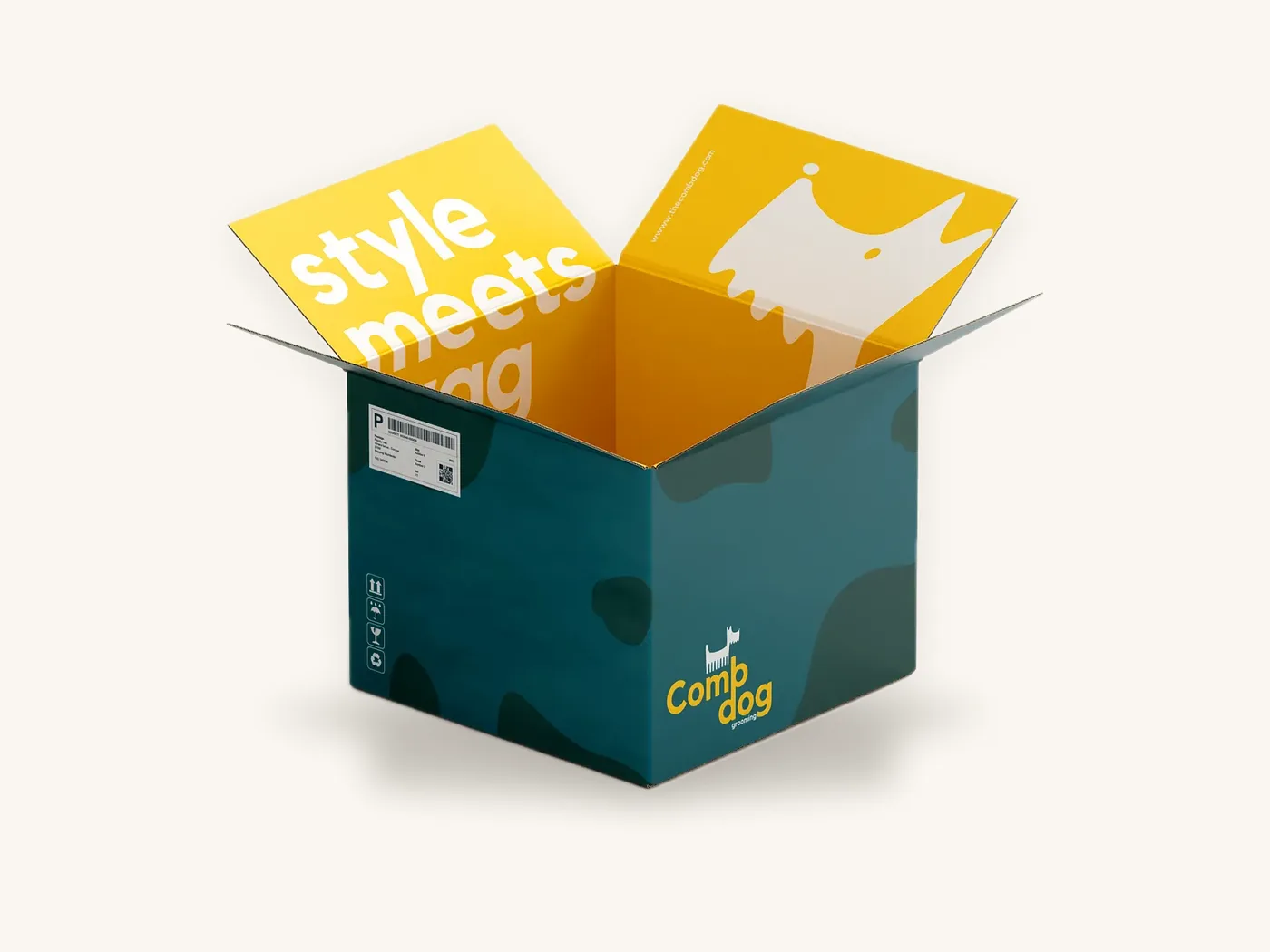
Meal kit packaging is a system of layers, and each layer usually comes from a different kind of supplier. The printed corrugated shipper carries the brand and takes the knocks. Inside it, an insulated liner and gel packs or other refrigerants hold temperature. Inside that, ingredients travel in food-contact portion packs, often grouped into paperboard cartons or bags by recipe.
A frequent planning mistake is buying those layers separately and hoping they fit. A liner that is a half inch too big for the box, or a set of recipe cartons that will not stack inside the liner, slows the packing line and wastes cold capacity. This guide shows how to plan meal kit boxes as one system, where a packaging manufacturer like Box Sense fits, and which parts belong with specialist suppliers.
Key takeaways
- Plan the kit from the inside out: portion packs set the recipe bundle, bundles set the liner cavity, and the liner sets the shipper's internal dimensions.
- Box Sense makes the printed outer shippers and paperboard cartons. Insulated liners, gel packs and food-contact portion packaging usually come from cold-chain and food packaging specialists.
- Corrugated board loses strength when damp, so keep condensation off the shipper with the liner and choose board for the wet-case weight, not the dry weight.
- Standardize on two or three shipper sizes tied to plan sizes rather than a box per order configuration.
- A 16x12x8 in B-flute RSC printed one color is about $3.32 per box at 1,000 units and about $2.36 at 5,000, with US shipping included.
The layers of a meal kit package and who supplies them
Before choosing any box, map every component, what it does and where it comes from. This table is the shopping list for a typical refrigerated food subscription.
| Layer | Job | Typical material | Usually supplied by |
|---|---|---|---|
| Outer shipper | Protection, stacking strength, branding, carrier label surface | Corrugated RSC or die-cut shipper, printed | Box manufacturer (Box Sense) |
| Insulated liner | Slows heat transfer | Paper-based, plant-fiber, foam or film-wrapped insulation | Cold-chain packaging specialist |
| Refrigerant | Holds temperature for the transit window | Gel packs, ice packs or dry ice | Cold-chain specialist |
| Recipe bundles | Groups ingredients per meal; speeds unpacking | Printed paperboard cartons or bags | Box manufacturer or food packaging supplier |
| Portion packs | Direct food contact for sauces, spices, grains and proteins | Food-contact pouches, cups, trays, vacuum packs | Food-contact packaging specialist or co-packer |
| Print pieces | Recipe cards, menus, disposal instructions | Paper or card stock | Printer |
Keeping that division clear protects you. A box maker should not be the party certifying a sauce cup for food contact, and a liner supplier should not be designing your brand shipper.
For the temperature side of the system, including how to choose insulation and refrigerant for a transit window, read our cold chain food packaging guide. This guide stays on the structure, branding and buying strategy around it.
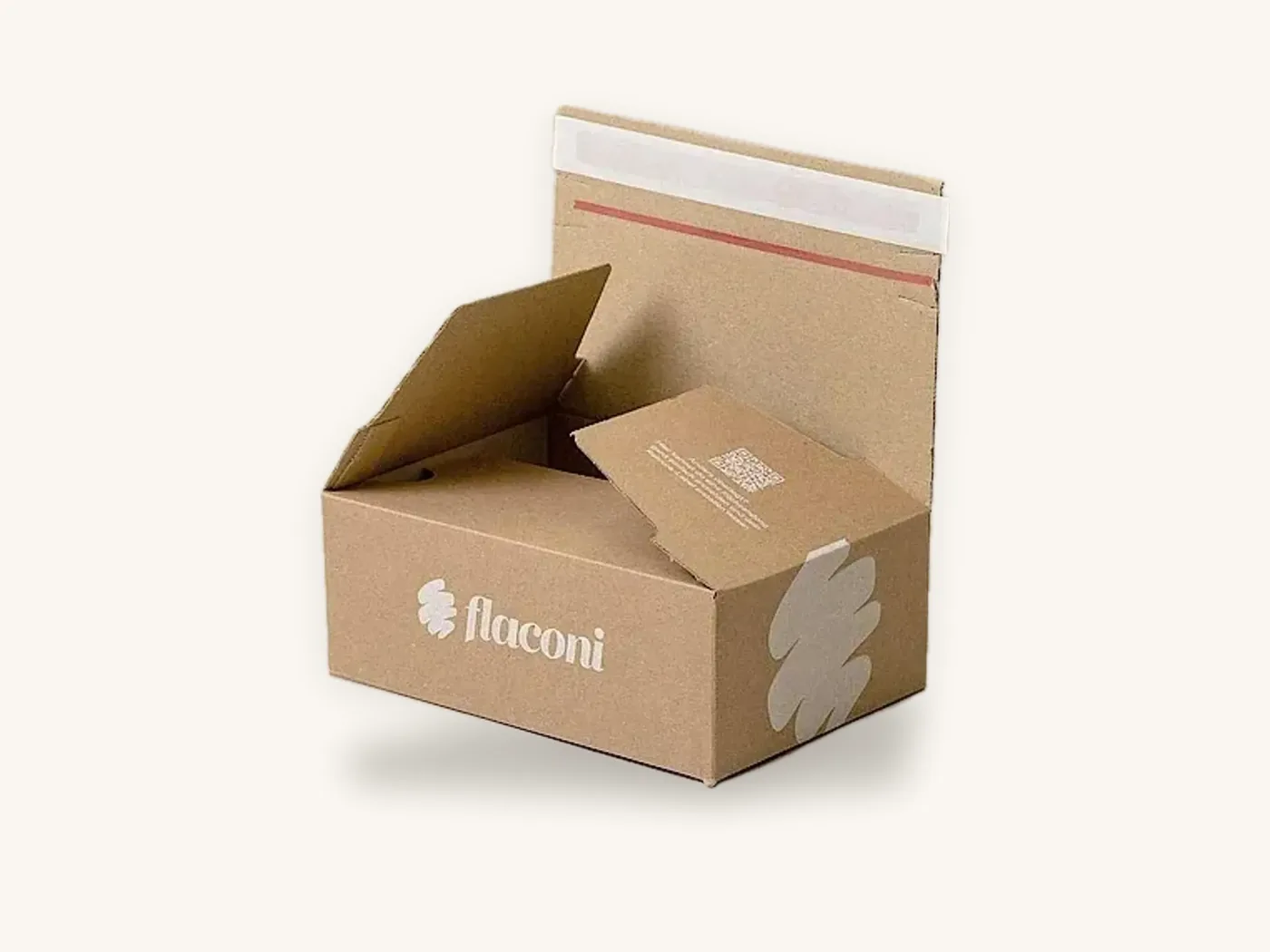
Designing meal kit boxes from the inside out
The dimensions that matter for a meal kit are set by the contents and the liner, not by a standard box size. Work in this order.
Step-by-step sizing process
- Define plan sizes. For example, two meals for two people, three meals for two, and four meals for four. Each plan is a packing configuration.
- Build each configuration with real portion packs. Group ingredients into recipe bundles the way customers will receive them, and add proteins, which are often packed separately at the bottom near the refrigerant.
- Measure the packed stack. Record length, width and height of the full configuration, including refrigerant placement.
- Get the liner's internal and external dimensions from your cold-chain supplier. The liner's external size is what must fit inside your box.
- Set shipper internal dimensions to the liner's external size plus a small allowance, typically around 1/8 to 1/4 in, so liners drop in without tearing and the flaps close flat.
- Group configurations into as few shipper sizes as possible. Two plans with packed heights an inch apart can often share a box with a slightly deeper liner or a filler panel.
- Order structural samples of the shipper and pack every configuration with the actual liner and refrigerant before approving print.
Watch out: liners vary in thickness between suppliers and even between product lines from the same supplier. If you change liner source, re-check the fit before your next shipper order, not after a pallet of boxes arrives.
How many box sizes to run
Each extra shipper size means another inventory, another liner size and another packing station decision. Many food subscription brands work well with two or three sizes mapped to plan tiers. When a customer adds extras, such as a dessert or a breakfast add-on, it is usually more efficient to step up to the next size than to create a new one.
Choosing board strength for a wet, heavy shipment
Meal kits are heavy for their size. Proteins, liquids and refrigerant add weight quickly, and cold contents produce condensation. Both matter for board choice.
Why moisture changes the math
Corrugated board draws much of its strength from dry paper fibers. When it absorbs moisture from condensation or a humid cold room, it loses stacking strength and can bulge or collapse under a stack. The insulated liner is the first defense because it keeps condensation off the board. The second is choosing board with a margin above what a dry test suggests.
Store flat shippers in a dry area rather than inside the cold room, and bring them to the packing line as needed.
Board options compared
| Board | Approximate thickness | When it fits a meal kit | Tradeoffs |
|---|---|---|---|
| E-flute mailer | about 1.5 mm | Light, non-refrigerated kits, add-on boxes, spice or pantry kits | Too light for heavy refrigerated plans |
| B-flute single wall | about 3 mm | Most two- to three-meal refrigerated kits | Watch weight and stacking in humid storage |
| C-flute single wall | about 4 mm | Taller kits needing more stacking strength | Thicker walls add a little to outer size |
| BC double wall | about 7 mm | Large family plans, heavy proteins, long transit | More board cost and a larger outer size |
The corrugated board page lists grades we run, and our ECT vs burst strength guide explains how board ratings relate to stacking and puncture. For the heaviest plans, see heavy duty double wall boxes.
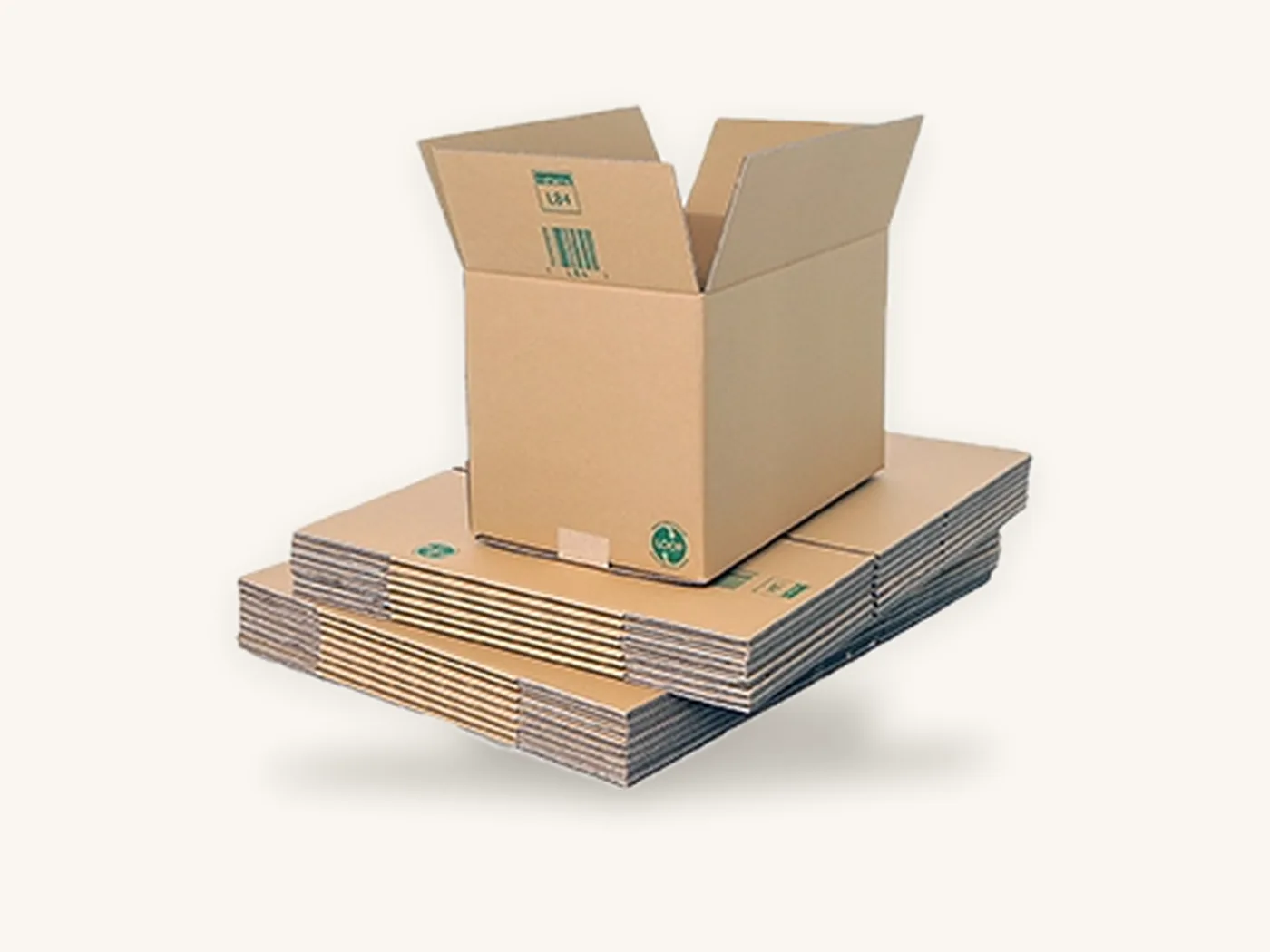
Organizing ingredients inside the kit
The unboxing of a meal kit happens at the refrigerator door, usually with limited time. Good internal organization makes the product easier to use and cuts the chance a customer misses an ingredient.
Recipe bundles: cartons, bags or loose
- Printed paperboard cartons per recipe: easiest to put straight into the fridge and to label clearly. Suits premium plans and brands that want strong recipe identity. See custom food boxes.
- Paper bags per recipe: lighter and quicker to pack, but less protective and harder to stack.
- Loose items with a color-coded sticker system: lowest packaging cost, most reliance on the customer to sort.
A carton per recipe also acts as a second barrier against crushing for delicate produce and herbs. Keep carton sizes consistent across recipes so they stack predictably inside the liner.
Portion packs and food contact
Anything that directly touches food, such as sauce cups, spice sachets, vacuum-packed proteins and grain pouches, must be made from materials suitable for food contact. In the US, the FDA regulates food-contact substances, and meat and poultry fall under USDA's Food Safety and Inspection Service in many situations. Source these items from a food-contact packaging specialist or co-packer who can provide documentation for their materials, and confirm current requirements with the relevant agency or counsel.
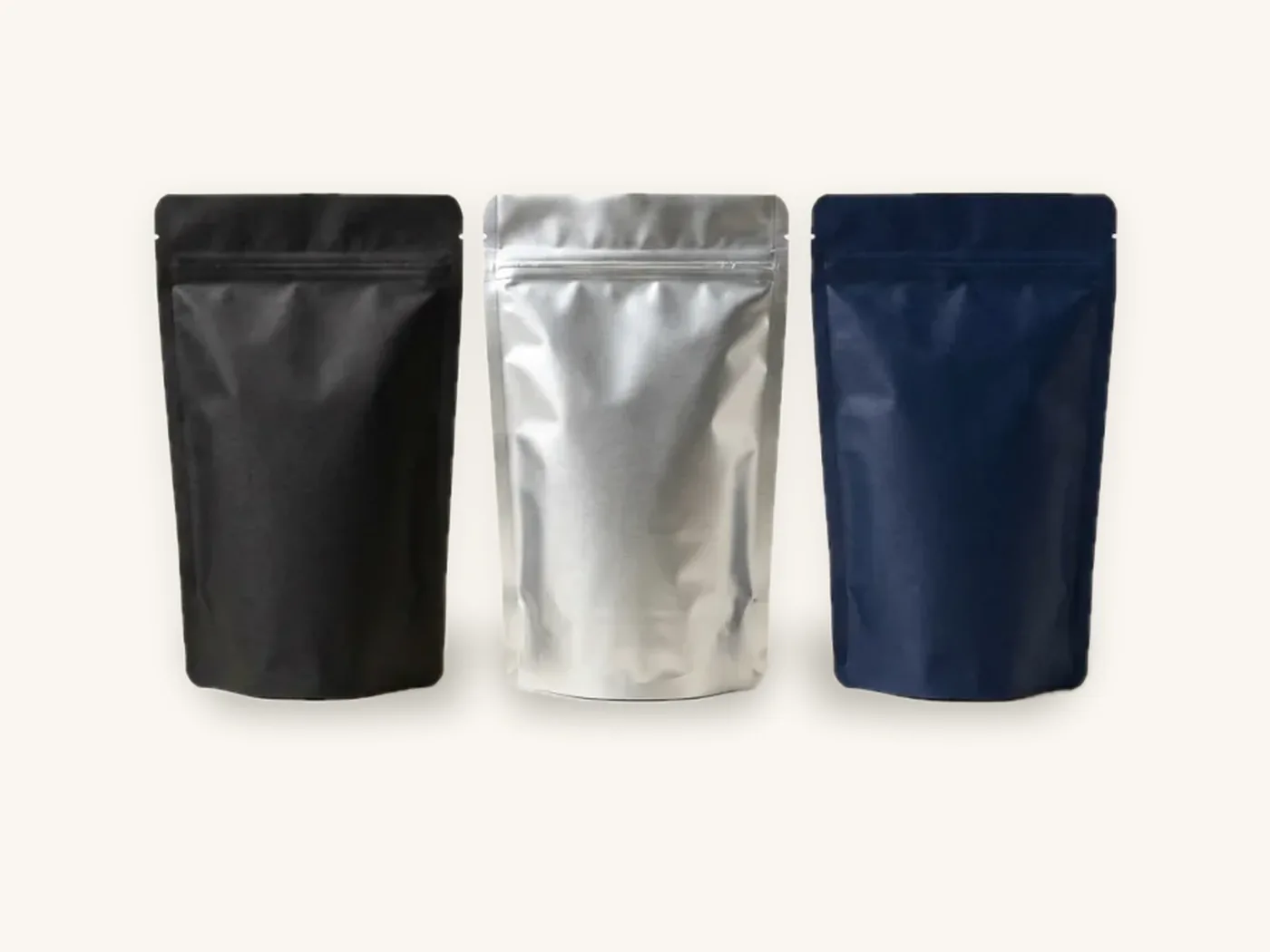
Outer shippers and recipe cartons that hold already-packaged ingredients are generally not direct food-contact packaging, which is why a box manufacturer can supply them. Our food-safe inks and coatings guide explains the distinction in more detail. Stand-up pouches are one format brands use for dry pantry items; confirm food-contact suitability for your specific product with the supplier.
Food safety and labeling in general terms
Meal kit brands carry real food safety responsibility, and packaging supports it rather than replacing it. A few general principles apply to most operations.
- Temperature control is validated, not assumed. Test packed kits through the full transit window, including hot-weather and delayed-delivery scenarios, with your cold-chain supplier.
- Separation matters. Raw proteins are commonly packed low and sealed so any leak cannot reach produce or ready-to-eat items.
- Labeling follows the food. Ingredients, allergens and net quantity requirements attach to packaged food items. Many brands also add safe-handling, storage and use-by information. See our FDA food labeling guide for an overview.
- Traceability. Printing a lot code or pack date area on the shipper or a label helps trace any issue back to a packing day.
Rules differ by product type, by state and by whether you are a manufacturer, a retailer or both, so confirm requirements with the FDA, USDA FSIS, your state health department or counsel before launch.
Branding, print and menu rotation
The outer shipper spends its life in delivery vans and on doorsteps, then gets broken down and recycled. Print it to identify the brand from a distance and to survive handling, not to carry detailed content.
A print strategy that survives menu changes
Menus change weekly or monthly; boxes should not. Keep the shipper artwork evergreen, with the logo, brand colors and short storage instructions such as "Perishable, refrigerate on arrival." Put menu-specific content on recipe cards and carton labels, which are cheap to change.
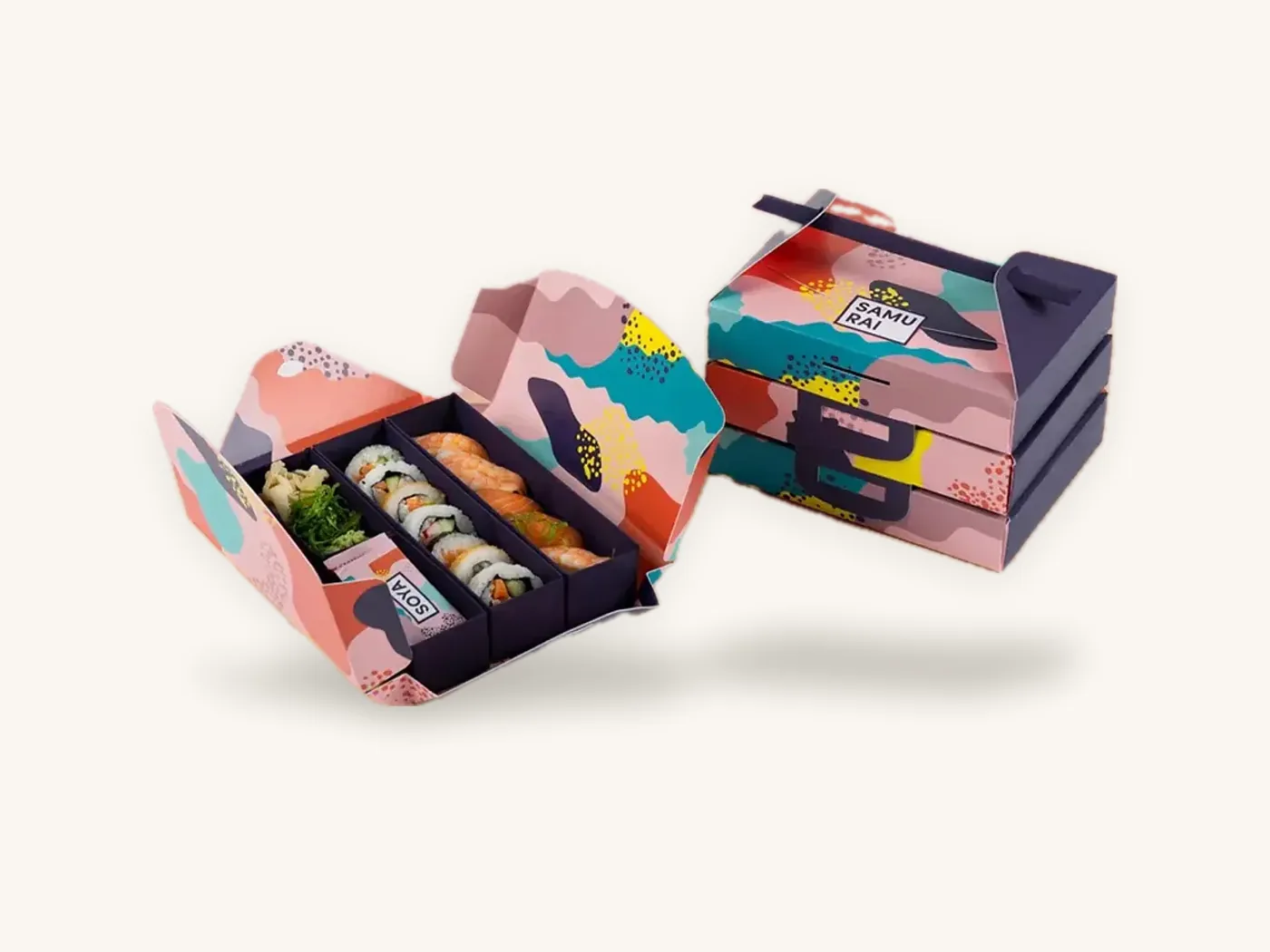
One-color print on kraft or white board is common for shippers because it is durable, economical and reads clearly on a doorstep. Full-color printing suits brands that use the shipper for gifting or social sharing. The shipping boxes range and the food and beverage page show options for both.
Disposal instructions
Meal kits generate several material types, and customers are often unsure what goes where. A short, clear panel on the inside flap or a card explaining how to separate the box, liner, gel packs and portion packs reduces confusion. Keep any recyclability or compostability claims accurate and qualified; the FTC's Green Guides set the US framework, and our green claims guide summarizes it.
Tip: print disposal instructions on the inside of a top flap. The customer sees it at the moment of unpacking, and it does not compete with branding on the outside.
What meal kit shippers cost
Shipper cost depends on size, board grade, print coverage and run size. The figures below are indicative per-unit prices with free US shipping included. Liners, refrigerants and portion packs are priced by their own suppliers and are not included. Use the instant price estimator for your exact shipper spec.
| Shipper spec | 250 | 1,000 | 2,500 | 5,000 | 10,000 |
|---|---|---|---|---|---|
| RSC, B-flute, 12x10x6 in, 1-color | $3.33 | $2.08 | $1.77 | $1.48 | $1.33 |
| RSC, B-flute, 16x12x8 in, 1-color | $5.31 | $3.32 | $2.82 | $2.36 | $2.13 |
| Double wall shipper, BC flute, 18x14x12 in, 1-color | $12.78 | $7.98 | $6.79 | $5.67 | $5.11 |
Worked example: two plan sizes
Say a brand ships about 2,500 kits a month: roughly 1,500 two-person plans that fit a 12x10x6 in liner and shipper, and 1,000 family plans that need a 16x12x8 in shipper.
- Ordering monthly at those quantities, the smaller box lands between the 1,000 tier (about $2.08) and the 2,500 tier (about $1.77), and the larger box sits at about $3.32 each.
- Ordering a quarter of stock at once, roughly 4,500 small and 3,000 large, moves the small box toward the 5,000 tier near $1.48 and the large box past the 2,500 tier near $2.82.
Right-sizing matters as much as tiers here. Moving a family plan from an 18x14x12 in double wall box to a 16x12x8 in single wall box, if testing shows it holds up, changes the unit cost at 1,000 from about $7.98 to about $3.32 and shrinks the parcel's dimensional weight. Carriers price larger parcels by outer volume, so confirm how your carrier calculates it, and see our dimensional weight guide.
Testing and packing line readiness
A meal kit package has to work for the packing team as well as the customer. Test the whole system, not just the box.
Pre-launch checklist
- Pack every plan configuration with real ingredients, liner and refrigerant
- Time how long a trained packer takes to build, pack and seal one kit
- Confirm the liner drops in without tearing and flaps close flat
- Run a temperature test through your longest expected transit window with the cold-chain supplier
- Stack packed kits to the height used in staging and trucks and check for bulging after a few hours
- Ship test kits through the carrier to the hottest and most distant zones you serve
- Check that recipe cartons fit the liner cavity in every configuration
- Confirm lot or pack-date marking is legible
- Verify custom packaging tape or seals hold on a cold, slightly damp box surface
The packaging quality control guide covers inspecting incoming box shipments against spec, and the subscription box fulfillment guide covers packing-line layout for recurring shipments. Restaurants moving into kits and delivery will also find the packaging for restaurants guide useful for the takeout side of the business.
How to order meal kit boxes from Box Sense
Box Sense manufactures printed corrugated shippers and paperboard cartons, with in-house printing, die-cutting, gluing and finishing. We work to the liner dimensions your cold-chain supplier provides, so bring those numbers to the first conversation.
What to send
- Plan sizes and the packed dimensions of each configuration
- Liner external dimensions and supplier product reference, if chosen
- Heaviest packed weight per plan, including refrigerant
- Shipper style (RSC or die-cut) and board preference, or a request for a recommendation
- Print: one color or full color, outside only or also inside flaps
- Recipe carton sizes and quantities, if you want those too
- Monthly volume per size and your preferred order cadence
- Warehouse or packing facility location
How the process works
- Quote within 24 hours, priced at the quantity tiers you choose.
- Free design support: dieline, artwork setup, a 3D digital proof and two revision rounds.
- Samples: unprinted structural samples are free, so you can test liners and packing before print. A printed sample of approved artwork is free on orders of 100 or more. See samples.
- Production: standard 8–12 business days after proof approval, with rush in 5 business days on most paperboard and corrugated styles.
- Delivery: free shipping on every US order, international shipping quoted at cost.
The minimum order is 10 boxes, which suits pilot kits and taste tests. There are no die or plate charges, and defective boxes reported within 14 days are reprinted free. The custom shipping boxes and corrugated boxes pages show standard structures.
Frequently asked questions
What kind of box is used for meal kits?
Most meal kits ship in a printed corrugated box, often a regular slotted container in B-flute or double wall board, with an insulated liner and refrigerant inside. Ingredients are grouped into recipe cartons or bags, and anything touching food goes into food-contact portion packs. The box size is set by the liner's outer dimensions, not by a standard shipping size.
Does Box Sense supply liners and gel packs for meal kits?
No. Box Sense manufactures the printed outer shippers and paperboard cartons. Insulated liners, gel packs and food-contact portion packaging usually come from cold-chain and food packaging specialists. Share your liner's external dimensions with us and we size the shipper to fit it, so the components work together on the packing line.
How do I size a meal kit box around an insulated liner?
Get the liner's external dimensions from its supplier, then set the shipper's internal dimensions slightly larger, typically by around 1/8 to 1/4 in, so the liner drops in without tearing and the flaps close flat. Pack every plan configuration with real ingredients and refrigerant in a free structural sample before approving the final print run.
Why do meal kit boxes get soggy or collapse?
Corrugated board loses strength when it absorbs moisture from condensation or humid storage. Cold contents sweating inside an unlined box, or flat boxes stored in a cold room, are common causes. Use a liner that keeps condensation off the board, store shippers in a dry area, and choose board with a strength margin above dry-test results.
Is a meal kit shipping box considered food-contact packaging?
Generally not, when it holds ingredients that are already sealed in their own packaging. Direct food-contact items such as sauce cups, sachets and vacuum packs must be made from materials suitable for food contact under FDA rules, and USDA rules may apply to meat and poultry. Confirm requirements for your specific products with the regulator or counsel.
How many box sizes should a meal kit company use?
As few as your plan structure allows. Many food subscription brands run two or three shipper sizes mapped to plan tiers, stepping up a size for add-ons rather than creating new boxes. Fewer sizes simplify liner purchasing, packing stations and inventory, and they let you order each size at a higher quantity tier.
How much do meal kit boxes cost?
It depends on size, board and quantity. As a reference, a 12x10x6 in B-flute box printed one color is about $2.08 at 1,000 units, and a 16x12x8 in box is about $3.32 at 1,000 and about $2.36 at 5,000, including US shipping. Liners, refrigerants and portion packs are priced separately by their suppliers.
Next steps
Pack each plan with real ingredients, get your liner's external dimensions, and decide how many shipper sizes you truly need. Then run those sizes through the shipper price estimator and request a meal kit box quote, and we will confirm pricing within 24 hours and send structural samples for fit testing.
Boxes in this guide
Order the packaging we covered
Written by the Box Sense Packaging Team
Our structural designers, prepress technicians and production staff print and convert custom boxes every day for brands in the United States, United Kingdom and UAE. Questions about this guide? Talk to us.