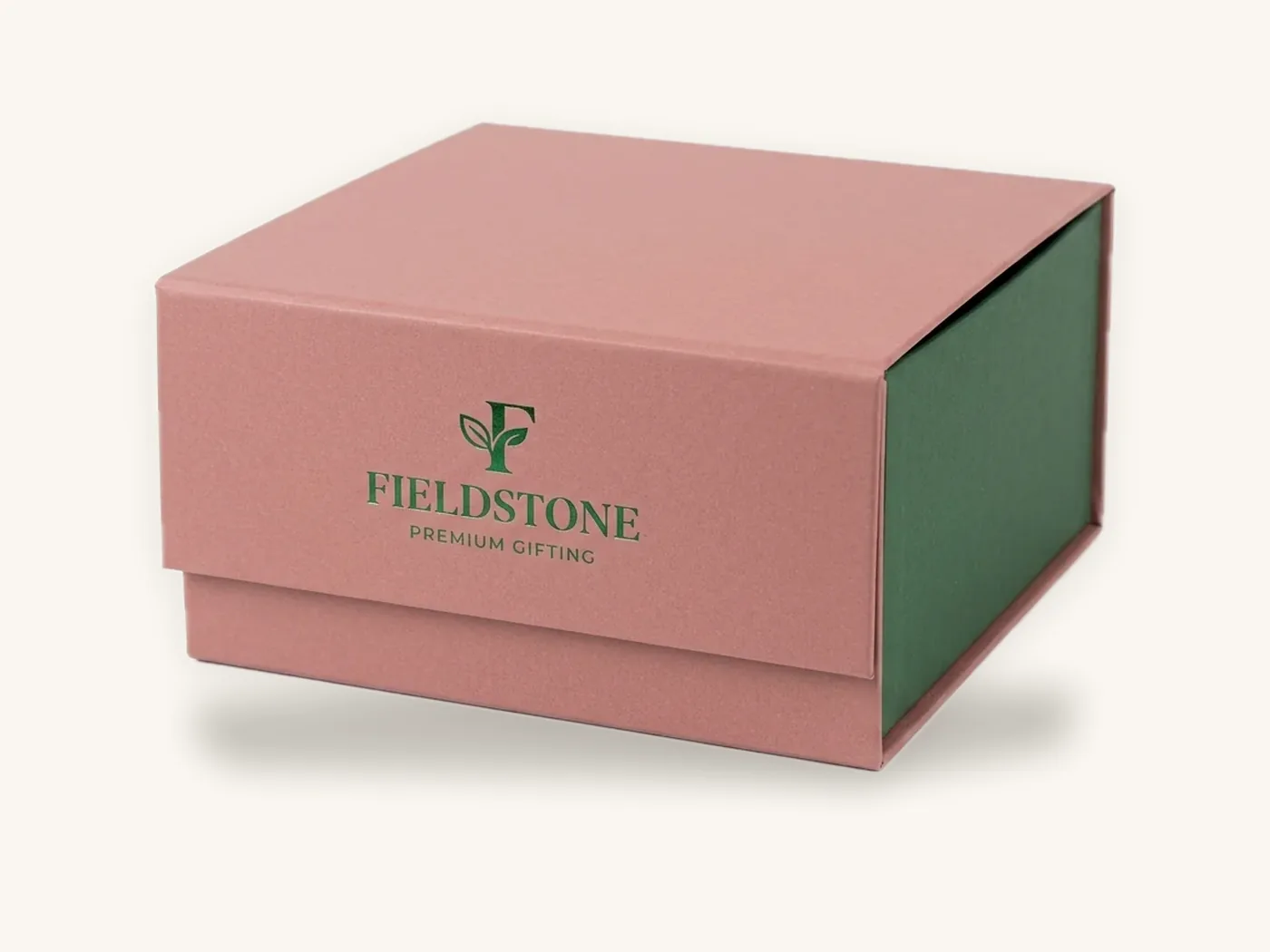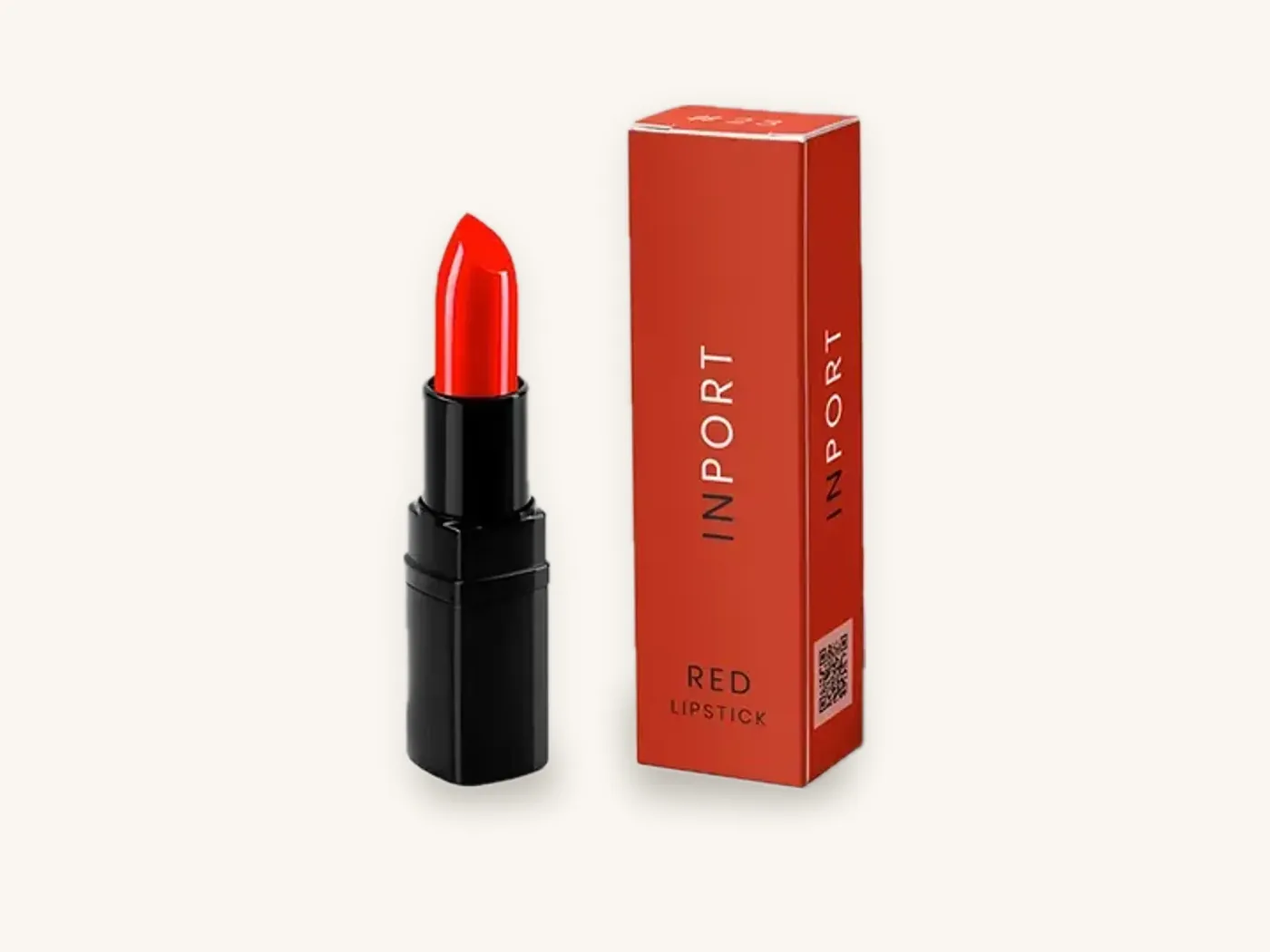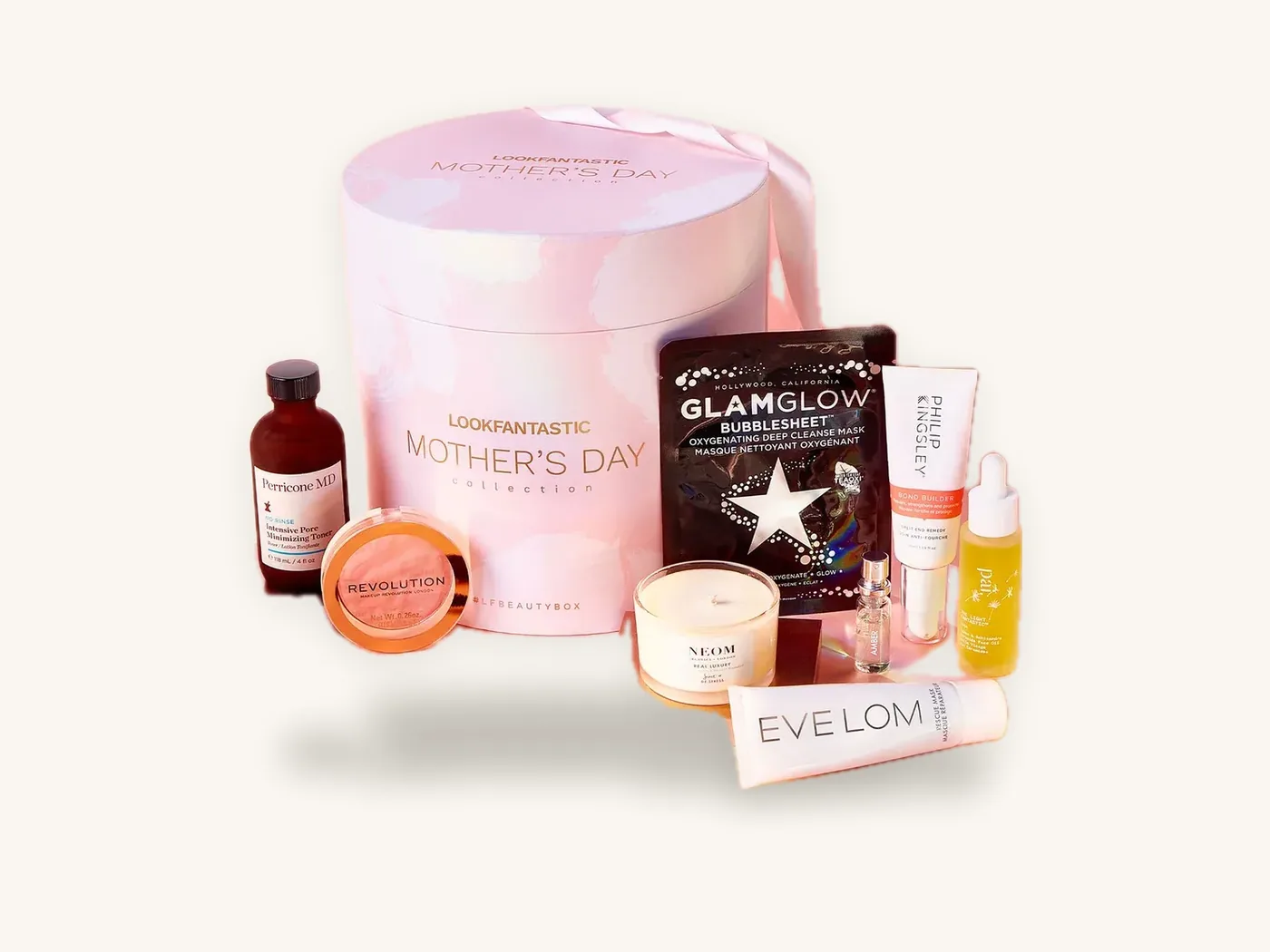
Makeup packaging is really three different packaging jobs that happen to share a brand: palette and product boxes that customers buy, PR kits that go to creators and press, and retail boxes and displays that have to survive distribution and sell from a shelf. Each one uses different structures, finishes and budgets, and brands that design all three together get a more consistent launch for less money.
In practice, most makeup brands end up with a folding carton or sleeve for each product, a rigid magnetic box for PR, and corrugated mailers or counter displays for shipping and retail. This guide takes each channel in turn, then covers how to plan a launch timeline around packaging, how to keep a range consistent, what each piece costs and how to order.
Key takeaways
- Plan makeup packaging by channel: the product box, the PR kit and the retail or shipping layer each have different jobs.
- Palettes usually need only a printed sleeve or tuck carton over the compact; the compact itself is the primary package.
- PR boxes work best as rigid magnetic boxes with die-cut inserts, overboxed in a mailer for shipping.
- Retail makeup boxes need barcodes, clear shade identity and case-pack sizing; counter displays help new brands earn shelf space.
- A cosmetic carton in 18 pt SBS at 2.5x2.5x6 in with soft-touch and foil is about $1.93 per unit at 100; a rigid magnetic PR box at 10x8x3 in is about $14.23 at 100.
- Box Sense makes all three layers from 10 units, so you can print PR kits and first retail runs without warehousing thousands of boxes.
Mapping makeup boxes to each sales channel
Before choosing structures, decide where each piece of packaging will be seen. A box designed for a creator's unboxing video fails on a crowded retail shelf, and a shelf carton looks thin in a PR video.
| Channel | Who sees it first | Main job | Typical structure | Budget priority |
|---|---|---|---|---|
| Direct-to-consumer | The buyer, at home | Protect, present, encourage repeat orders | Carton or sleeve inside a printed mailer | Mailer interior and product box finish |
| PR and influencer | Creators, editors, their audiences | Create a filmable reveal and explain the launch | Rigid magnetic box with insert | Structure, insert and first impression |
| Retail shelf | Store buyers, then shoppers | Stand out, inform, fit fixtures | Tuck end carton, hang tab carton | Print quality, shelf legibility, cost at scale |
| Point of sale | Shoppers at the counter | Hold stock and prompt an impulse buy | Counter display box | Header graphics and stability |
| Subscription or bundles | Subscribers | Deliver several items as one experience | Subscription mailer with inserts | Insert layout and inside print |
Most brands start with direct-to-consumer and PR, then add retail. Designing the retail carton at the start, even if you do not print it yet, avoids redesigning the whole range when a store buyer says yes.
Palette packaging: the compact and its box
Palettes are the defining makeup product and the one most brands get wrong in sequence. The compact (the case holding the pans) is primary packaging. The box around it is secondary. Decide the compact first, because every box dimension depends on it.
Compact types and what they need
- Paperboard palettes are rigid board cases wrapped in printed paper with a magnetic closure and pans glued inside. They are light and print edge to edge, so many brands sell them in a simple sleeve or even with only a shrink wrap.
- Plastic or acrylic compacts are sturdier and heavier. They generally need a carton, because the compact surface is harder to decorate with full artwork.
- Metal or refillable compacts are premium and heavy. A fitted carton or rigid box with an insert stops scratches and hinge damage.
Sleeve, carton or rigid box
| Box type | How it works | Choose it when | Watch for |
|---|---|---|---|
| Printed sleeve | Open-ended paperboard band that slides over the compact | The compact is printed and you want it visible at the ends | Sleeve must be snug or it slides off in the bag |
| Tuck end carton | Fully enclosed, tucks at both ends | Retail distribution, plain compacts, label copy space needed | Front panel is wide and shallow; plan the tuck position |
| Sleeve and tray | Tray holds the compact, printed sleeve slides over | Palette plus a brush or mini product | More parts to assemble |
| Rigid two-piece or magnetic | Greyboard box with lift-off or hinged lid | Collector palettes, holiday editions | Much higher unit cost and storage |
Makeup and palette boxes cover palette sleeves, compact boxes and kit packaging. A thin, wide palette carton flexes more than a tall narrow one, so we usually suggest 18 pt SBS for palette cartons to keep the front panel flat.
Watch out: a palette carton sized to the compact's closed dimensions can be too tight if the compact has a raised magnet, a bump from the mirror or a slightly bowed lid. Measure several production compacts at their thickest point, not the sample from the design stage.
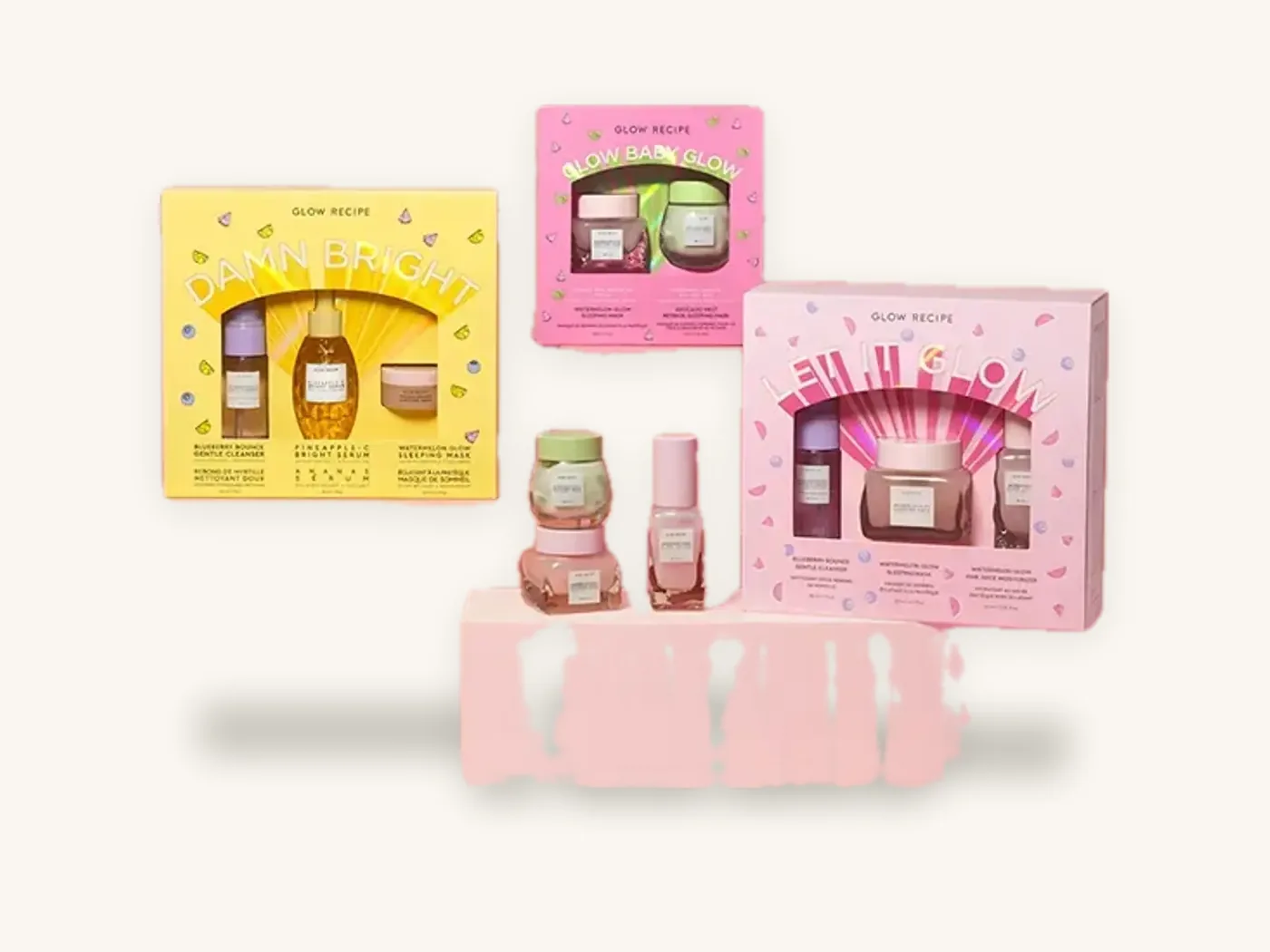
Finishes that suit palettes
Palette boxes have a large, flat front panel, which is ideal for bold finishes that would be cramped on a lipstick carton. Holographic or metallic board, full-bleed illustration with soft-touch lamination, and large-area spot UV patterns all have room to work. Foil stamping on a palette name adds a one-time $60 tooling charge; embossing adds $60 and spot UV $40. Our packaging finishes guide compares each in depth.
Product boxes across a makeup range
A makeup brand rarely sells only palettes. Foundations, concealers, mascaras, lip products and brushes all need boxes, and they should look like one family.
Structures by product
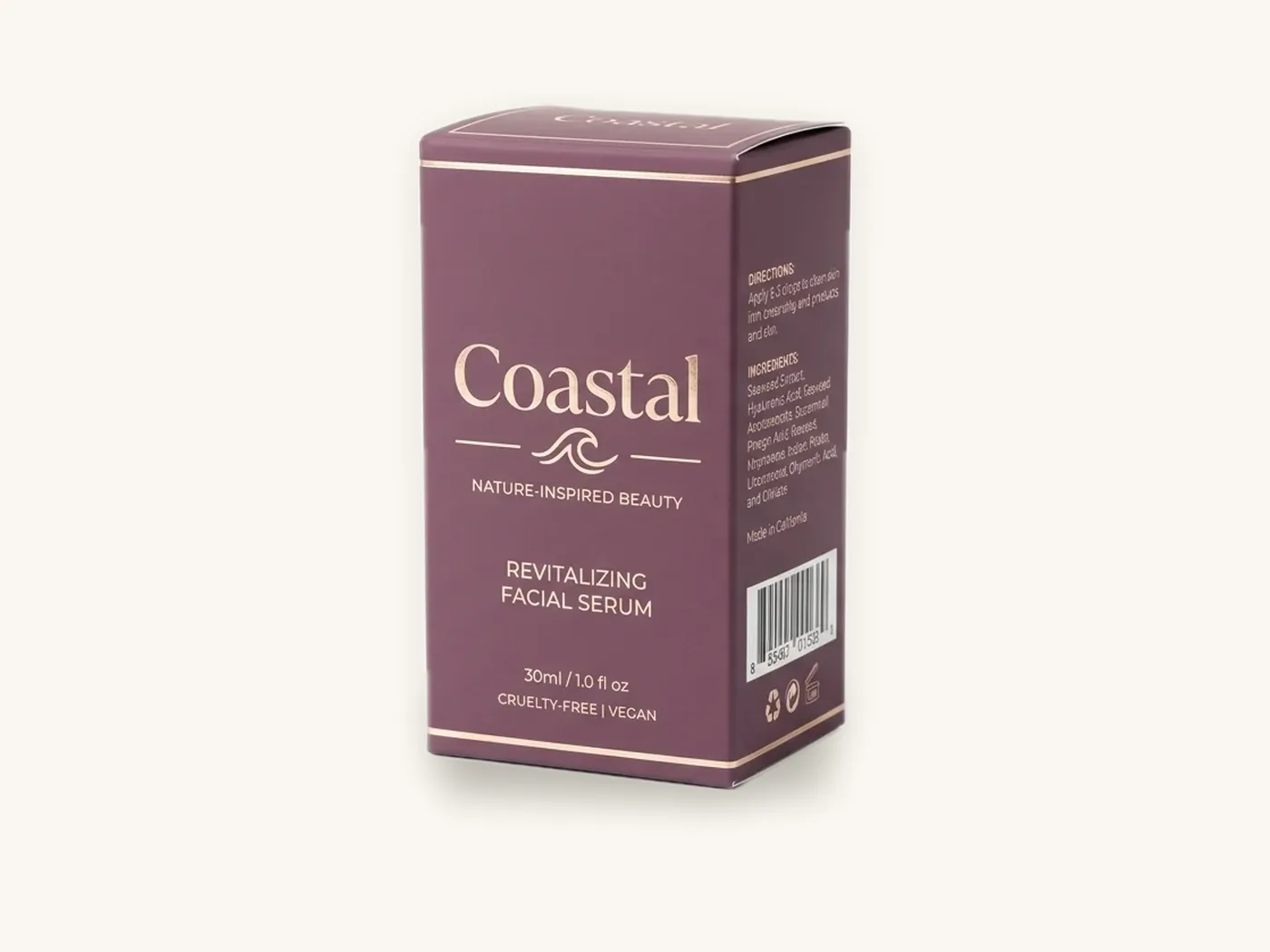
- Liquid foundation and concealer bottles: tuck end cartons, sometimes with a paperboard insert for glass. Cosmetic boxes are the standard format.
- Mascara and liquid liner: tall, slim reverse tuck end cartons.
- Lipsticks and glosses: very slim cartons with strict tolerances; our custom lipstick boxes guide covers them in detail.
- Loose powder and pressed powder compacts: square, shallow cartons, often with an insert to stop the jar rotating.
- Brushes and brush sets: long sleeves, window boxes or a rigid roll-style box for sets.
- Lashes: window, drawer or mini magnetic boxes; see the custom eyelash packaging guide.
A family system, not a set of one-offs
Keep a consistent grid across every carton: logo position, product name position, shade name area and back-panel layout. Then vary color or pattern by product category. When cartons share proportions and a grid, they merchandise well together, even if their sizes differ. It also makes future products faster to design because the layout rules already exist.
PR boxes for makeup launches
A PR box for makeup is a packaging piece built to be opened on camera by a creator or editor. It usually contains the new products, a card explaining the launch, and sometimes a themed prop. It is not sold, so it is designed purely for the reveal and the story.
Structure of a good PR kit
- Outer shipper: a corrugated mailer, printed or plain, that takes the carrier abuse.
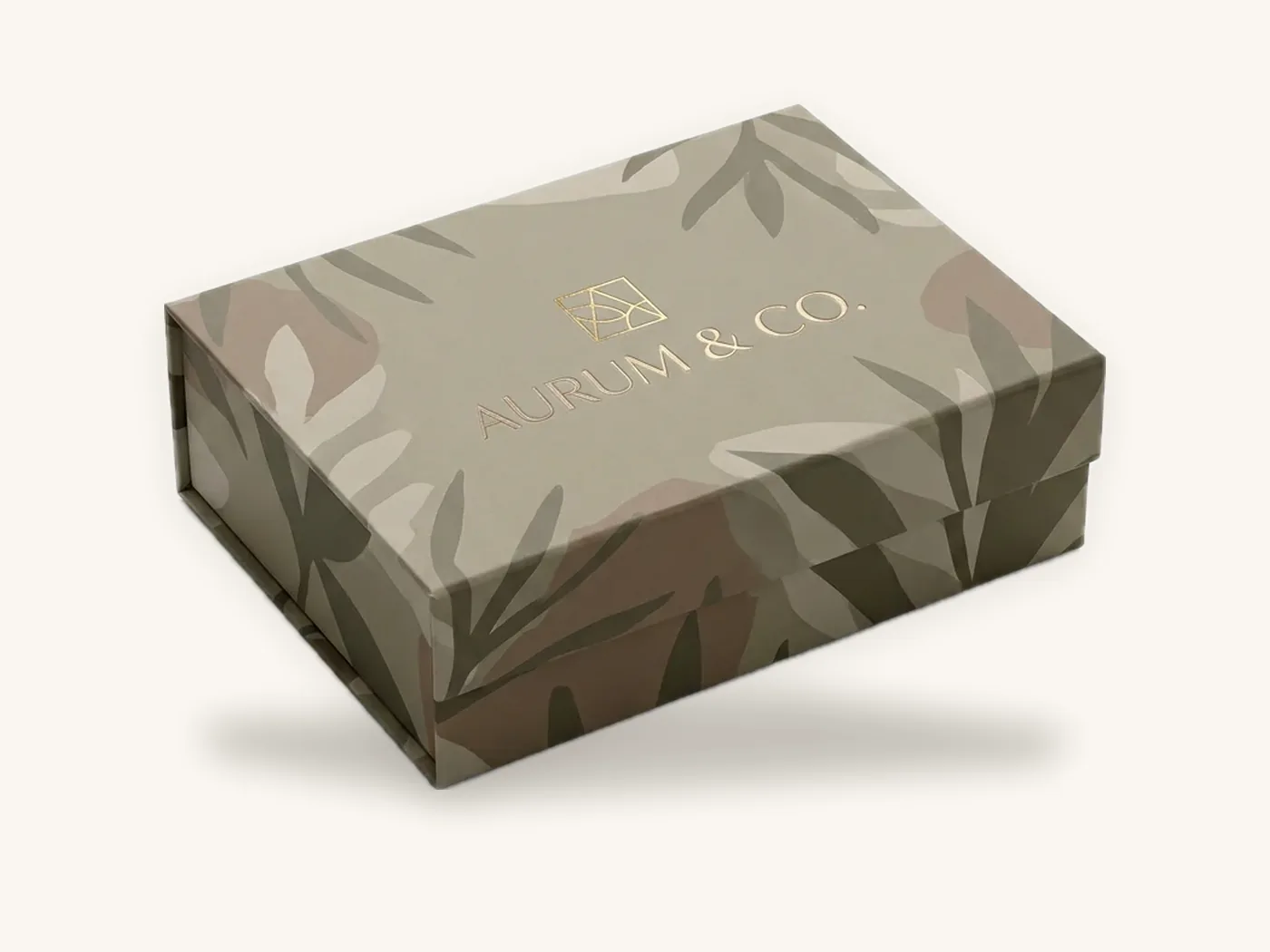
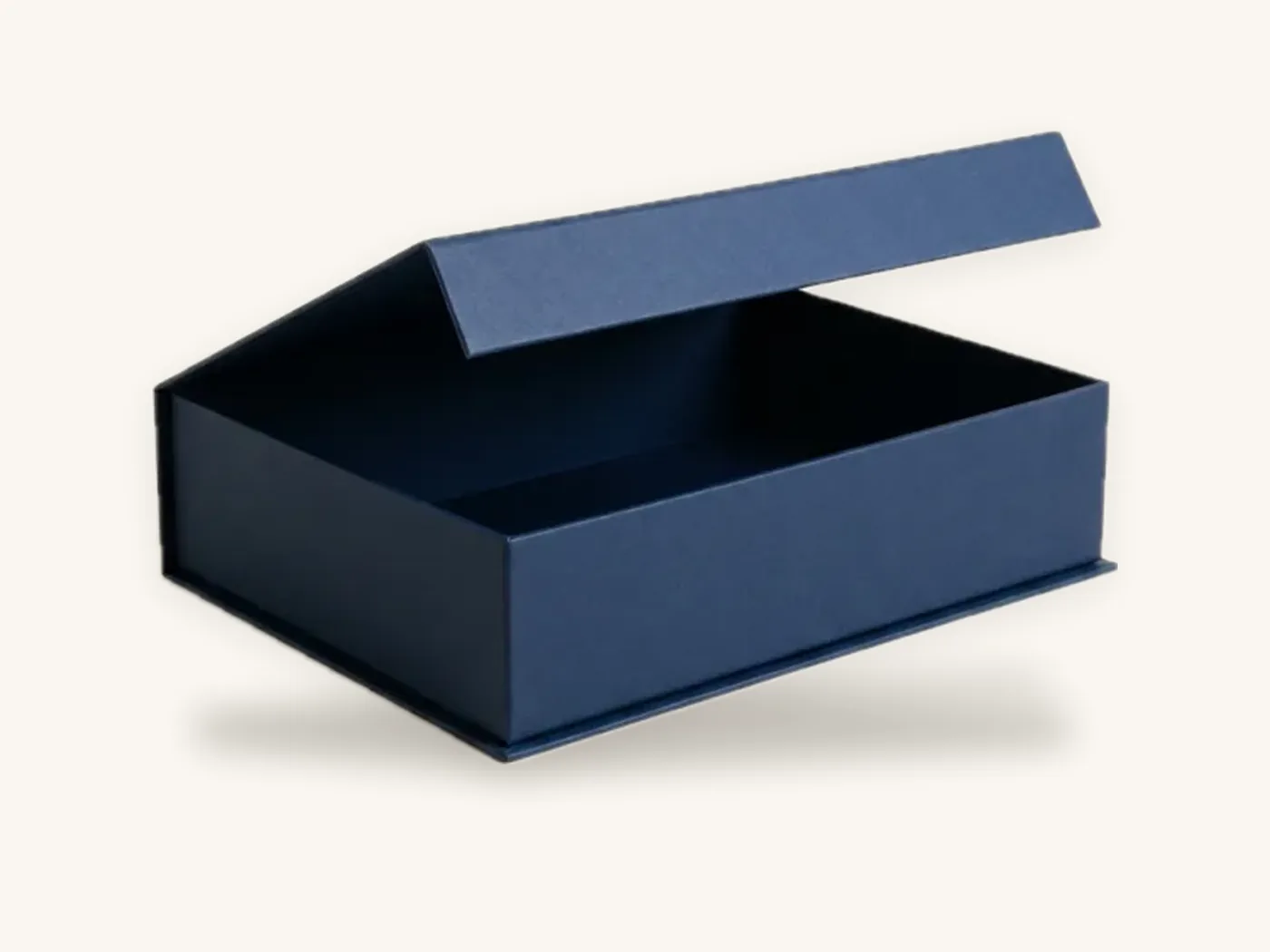
- Presentation box: a rigid magnetic box that opens like a book, with printing inside the lid.
- Insert: a die-cut foam or paperboard insert with a cavity for each product, in the order you want them seen.
- Launch card: a printed card with shades, launch date and any posting guidelines.
- Retail boxes inside, or not: some brands include products in their retail cartons so creators show the real packaging; others place bare products in the insert for a cleaner shot.
Magnetic closure boxes are the common choice because the snap closure and hinged lid film well and the box is kept and reused. Our PR box and influencer kit guide covers creator list sizes, contents and send timing.
Insert layout for makeup
Makeup products are small and varied, which makes insert design the hardest part of a PR box. Lay the hero product (usually the palette) in the center or the top of the insert, with supporting products arranged around it. Give each cavity a finger notch so products lift out easily on camera. A custom insert die carries a one-time charge of $45, and the same die can serve later shade launches if the product shapes stay the same.
Protecting pressed powders in transit
Pressed eyeshadow and highlighter pans can crack if a PR box is dropped. A snug foam or thick paperboard insert that holds the palette flat and stops it flexing is the best protection. Overbox the rigid box in a corrugated mailer with a little paper fill around it rather than sending the rigid box bare. Our shipping fragile items guide explains the principle.
Retail-ready makeup boxes and displays
Retail adds requirements that direct-to-consumer brands can skip. Plan them early so your first store order does not force a redesign.
What store buyers look for
- Barcodes on every unit carton, placed on a flat panel away from creases. Our UPC barcodes guide explains placement.
- Shade and product identity readable at arm's length, usually on the front and one end panel.
- Required label copy. In the US, cosmetics labeling is overseen by the FDA, and outer cartons generally carry the product identity, net quantity, ingredients and distributor details. See our cosmetic labeling requirements guide for a high-level overview, and confirm current rules with the FDA or a regulatory advisor.
- Case packs that fit the retailer's shelf or fixture depth.
- Hang tabs for peg displays if the store uses them. Hang tab boxes add a reinforced hole to a standard carton.
Counter displays
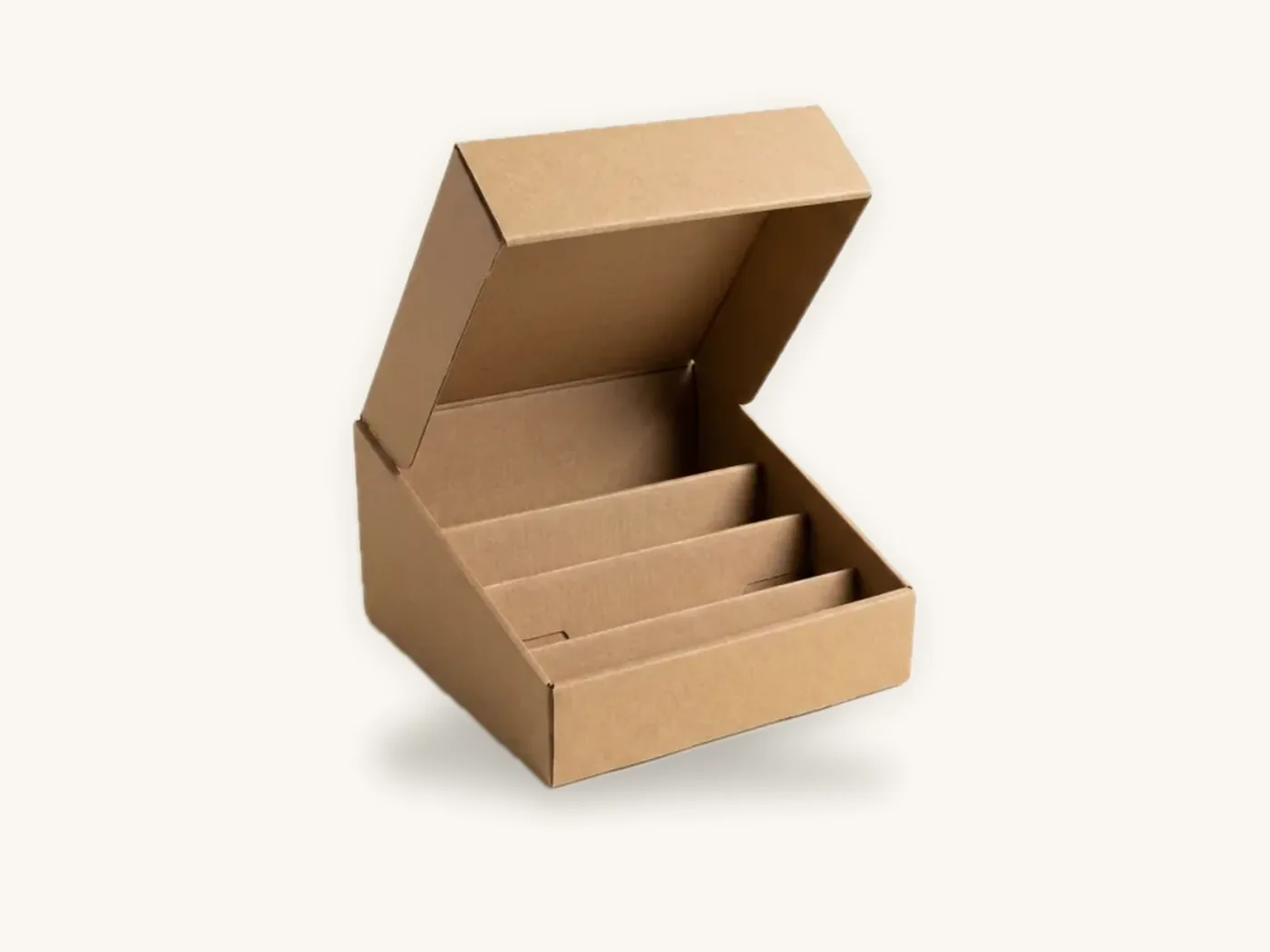
A counter display box holds several units at the register and can make the difference for an emerging brand in a boutique or salon. It is a corrugated tray with a printed header card that folds up from a shipping case. Lip glosses, mascaras, mini palettes and minis sell well from counters. Counter display boxes are made from E-flute corrugated for strength, and our custom display boxes guide covers header height and unit counts.
Planning a makeup launch around packaging
Packaging is often the item that delays a makeup launch, usually because it starts too late or depends on components that change. Working backward from the launch date avoids that.
Launch timeline, working backward
- Lock primary components. Compacts, bottles and tubes need to be final before any box dieline. This is the most common source of delay.
- Request dielines and quotes for every box, the PR kit and any displays at the same time, so sizes and finishes are coordinated. Box Sense confirms quotes within 24 hours.
- Test structural samples with production components. Unprinted structural samples are free.
- Finalize artwork on the dielines, then review the 3D digital proofs. Two revision rounds are included.
- Approve proofs and start production. Standard production is 8–12 business days after approval, with rush in 5 business days on most paperboard and corrugated styles.
- Pack and send PR kits first, so creators receive them before the public launch date.
- Ship retail and DTC stock in time for launch-day orders.
In practice, lock the PR kit earliest, because it has to ship first and usually has the most complex insert. Our packaging for product launch guide goes deeper on sequencing.
Tip: order a small digital run of PR boxes and retail cartons first, then place the larger retail run once creator feedback is in. If a shade name changes or a creator spots a problem, you have only reprinted a few dozen boxes.
What makeup packaging costs by channel
Each channel has a different cost profile. The table shows price-sheet specs that line up with typical makeup packaging layers. Real sizes vary, so check your exact specs in the instant price estimator.
| Layer | Spec | 10 | 100 | 500 | 1,000 | 5,000 |
|---|---|---|---|---|---|---|
| Product box | Cosmetic carton, 18 pt SBS, 2.5x2.5x6 in, full color, soft-touch + foil | $2.91 | $1.93 | $1.03 | $0.86 | $0.61 |
| Product box | Reverse tuck end carton, 14 pt SBS, 2x2x6 in, full color, gloss lamination | $1.77 | $1.17 | $0.63 | $0.52 | $0.37 |
| PR kit | Rigid magnetic box, 2 mm, 10x8x3 in, soft-touch, foil, insert | $21.50 | $14.23 | $7.59 | $6.32 | $4.49 |
| Bundles and PR shipping | Subscription mailer, E-flute, 12x9x4 in, full color both sides, insert + tear strip | $8.83 | $5.85 | $3.12 | $2.60 | $1.84 |
| Retail | Counter display box, E-flute, 10x8x6 in, full color | $7.68 | $5.08 | $2.71 | $2.26 | $1.60 |
Prices are per unit with free US shipping. One-time tooling applies only if chosen: foil $60, embossing $60, spot UV $40, insert die $45.
Where to spend and where to save
PR kits are ordered in small quantities, so their unit price is high but their total spend is modest, and they reach the audiences that matter most at launch. Product cartons are ordered in the largest numbers, so small savings per unit add up: choosing one finish instead of three, or sharing a carton size across similar bottles, matters more there. Displays are a small, one-off cost that can justify themselves quickly if they win a store placement.
How to order makeup packaging from Box Sense
We can quote every layer of a launch together, which keeps sizes and finishes consistent.
What to send
- A list of products with production component dimensions (compacts, bottles, tubes)
- Which layers you need: product boxes, PR kits, mailers, counter displays
- Structure preferences for each, or a request for recommendations
- Finishes, foil colors and any holographic or metallic board
- Insert layout ideas for PR kits
- Label copy, barcodes and any retailer requirements
- Quantities per item and your launch date
- Artwork or brand guidelines, or a request for help from our design services team
What happens next
- Quotes confirmed within 24 hours for every item and quantity.
- Free design support: dielines, artwork setup and a 3D digital proof for each piece, with two revision rounds.
- Samples: unprinted structural samples are free; a printed sample of approved artwork is free on orders of 100 or more units. See samples.
- Production: 8–12 business days after proof approval, or rush in 5 business days on most paperboard and corrugated styles.
- Delivery: free shipping on every US order; international shipping is quoted at cost.
The minimum order is 10 boxes, with no die or plate charges on standard structures. Defective boxes reported within 14 days are reprinted free. Browse the cosmetics and beauty industry page or read the cosmetic packaging guide for the wider category.
Frequently asked questions
What packaging do makeup brands use?
Most makeup brands use folding cartons or sleeves for individual products, rigid magnetic boxes for PR kits sent to creators and press, printed mailers for direct-to-consumer shipping, and counter displays or hang tab cartons for retail. The mix depends on channel. Planning all layers together keeps the brand consistent and avoids redesigns when a retail opportunity arrives.
Does an eyeshadow palette need a box?
Not always. A printed paperboard palette with a magnetic closure is often sold in a simple sleeve or shrink wrap, because the palette itself carries the artwork. Plastic, acrylic or metal compacts usually need a carton to add branding, protect the surface and carry required label copy. Retail distribution generally calls for a fully enclosed carton with a barcode.
What should go in a PR box for makeup?
A makeup PR box typically holds the new products in a die-cut insert, a launch card with shade names and launch date, and sometimes a small branded extra. The presentation box is usually a rigid magnetic box printed inside the lid, shipped inside a corrugated mailer. Arrange the insert so the hero product is seen first when the lid opens.
How much does custom makeup packaging cost?
It varies by layer. A cosmetic carton in 18 pt SBS at 2.5x2.5x6 in with soft-touch and foil is about $1.93 per unit at 100 and about $0.86 at 1,000. A rigid magnetic PR box at 10x8x3 in is about $14.23 at 100. A counter display at 10x8x6 in is about $5.08 at 100. All include US shipping.
How far ahead should I order packaging for a makeup launch?
Start as soon as primary components are final, because every box size depends on them. Allow time for quotes, structural samples, artwork, proof revisions and production. Box Sense quotes within 24 hours and produces in 8–12 business days after proof approval. Schedule PR kits to arrive with creators before launch day, so they need to be finalized first.
What board is best for makeup boxes?
18 pt SBS paperboard is the most common choice for makeup cartons because its smooth white surface prints color accurately and stays flat on wide palette panels. 14 pt works for slim cartons such as mascara boxes. Metallic and holographic board create a reflective finish popular in makeup. Rigid 2 mm greyboard is used for PR boxes and collector editions.
Can I order makeup boxes in small quantities?
Yes. Box Sense prints makeup boxes, PR kits and displays from a minimum of 10 units. Short runs are printed digitally without plates, so small PR kit runs, test shades and first retail orders are practical. Unit prices fall considerably at larger quantities, so many brands print a small first run and then scale up proven products.
Next steps
List the products in your launch, note the channels each will reach, and run the main specs through the makeup packaging price estimator. When you are ready, request a makeup packaging quote for product boxes, PR kits and displays together, and we will confirm pricing within 24 hours and send dielines and 3D proofs for every piece.
Boxes in this guide
Order the packaging we covered
Written by the Box Sense Packaging Team
Our structural designers, prepress technicians and production staff print and convert custom boxes every day for brands in the United States, United Kingdom and UAE. Questions about this guide? Talk to us.