Kickstarter packaging should be priced, sampled and scheduled before your campaign ends, not after the money arrives. Once backers pledge, your reward tiers and delivery estimate are public commitments, and packaging is one of the easiest places for both the budget and the timeline to slip: a box size that changes when the final product grows, a stretch goal that adds foil to every unit, or a shipper that nobody costed.
The practical approach is to treat packaging as three linked plans. A budget that assigns box, insert and shipper costs to every reward tier. A timeline that works backward from your promised delivery month and includes proofs and samples. And a fulfillment plan that decides how backer reward boxes are packed, protected and shipped. This guide walks through each, with worked numbers from real price tiers.
Key takeaways
- Price packaging per reward tier before launch, including the retail box, insert, shipper, tooling and spares. Stretch goals that change packaging should be costed before they are announced.
- Get unprinted structural samples and a rough quote before the campaign goes live, and have dielines and 3D proofs underway before it ends.
- Build the timeline backward from your delivery estimate: final backer counts, artwork approval, printed sample, production, transit to your fulfillment location and kitting.
- A product's retail box is not a shipper. Plan a mailer or outer box for every reward that travels through the parcel network.
- As a reference, a 10x8x4 in E-flute mailer printed inside and outside is about $2.31 per box at 500 units, including US shipping.
Why packaging belongs in the campaign plan from day one
Crowdfunding creators often focus on product manufacturing costs and platform fees, then treat packaging as a detail for later. The problem is that packaging decisions are tied to promises you make during the campaign: which tier gets a collector's box, whether add-ons ship together, and when rewards arrive.
Packaging also depends on the product being final. A board game that gains a second deck of cards in a stretch goal may need a deeper box and a new insert. A gadget that changes battery size may need a new cavity. If the packaging plan exists from the start, you can see those consequences before you commit to them publicly.
Our packaging for startups guide covers first-order packaging decisions in general. This guide focuses on what is specific to crowdfunded products: fixed promises, backer counts that are unknown until the end, and a single large fulfillment wave.
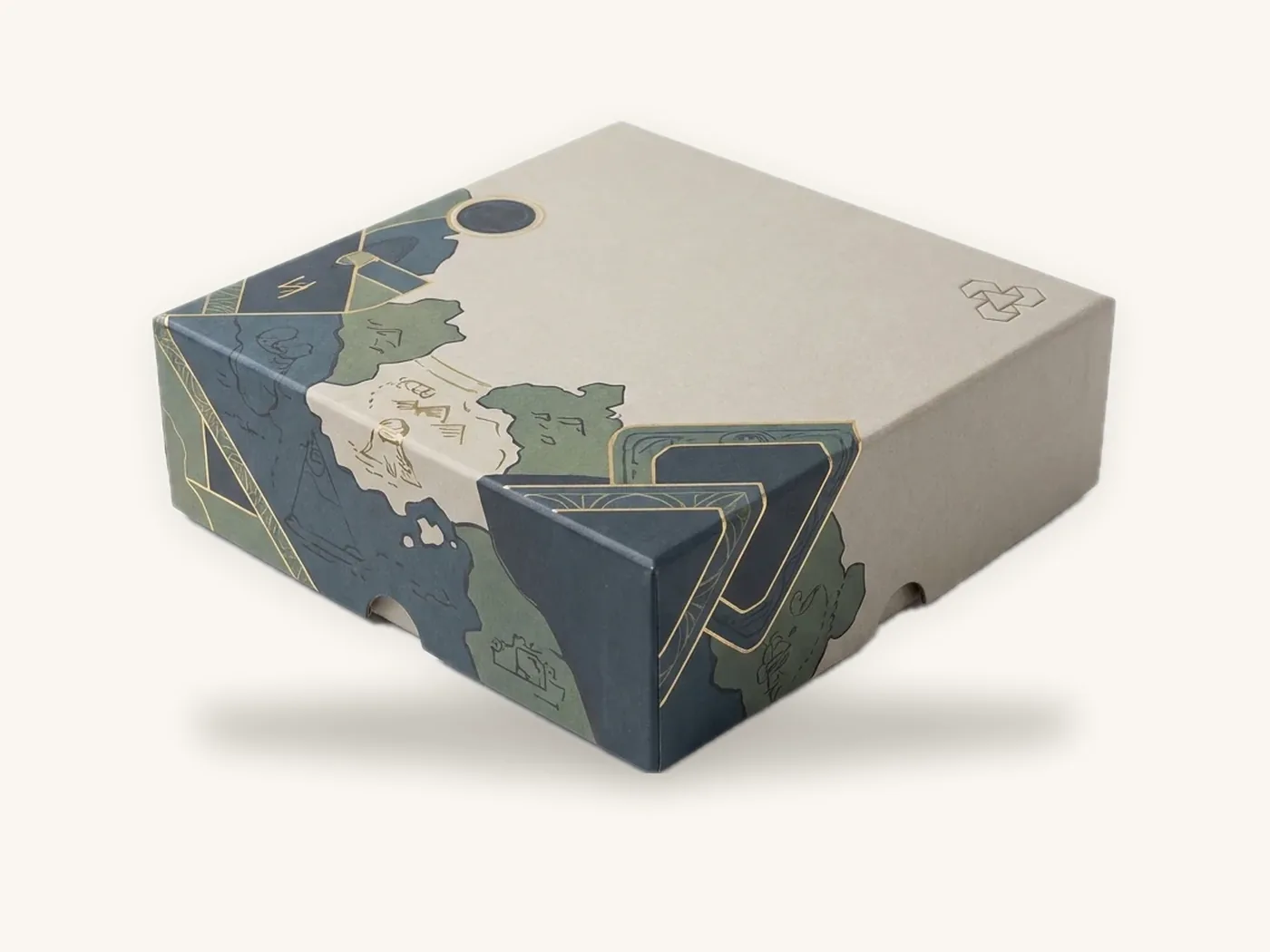
Mapping reward tiers to backer reward boxes
Start with a simple matrix of every tier and what physically ships. This reveals how many distinct packaging components you actually need.
| Reward tier | What ships | Product packaging | Shipper | Planning notes |
|---|---|---|---|---|
| Digital or thank-you | Nothing physical, or a card | None | Envelope, if any | Keep it simple |
| Early bird and standard | Core product | Retail box with insert | Printed mailer sized to the retail box | Highest volume; drives most of the budget |
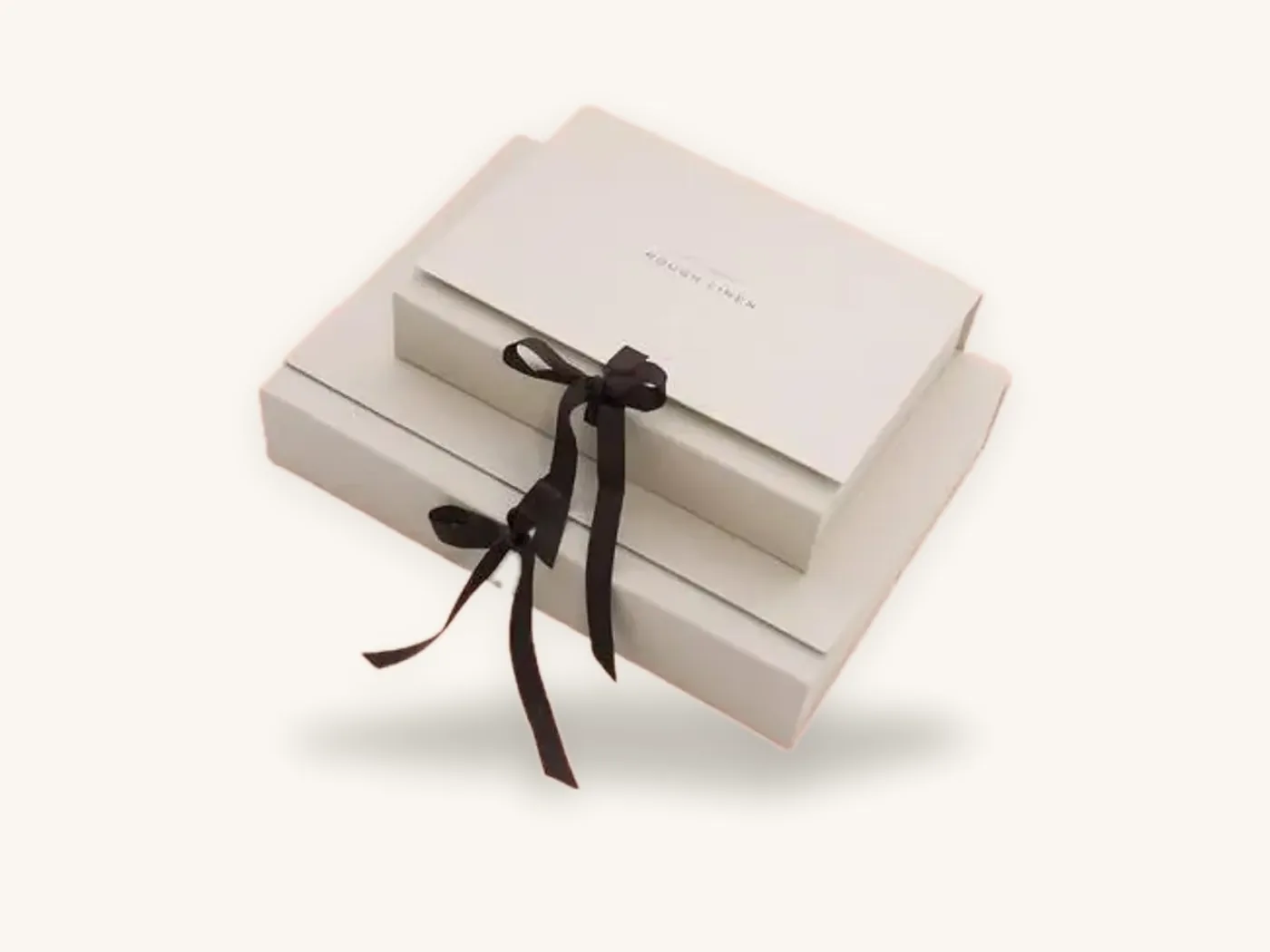
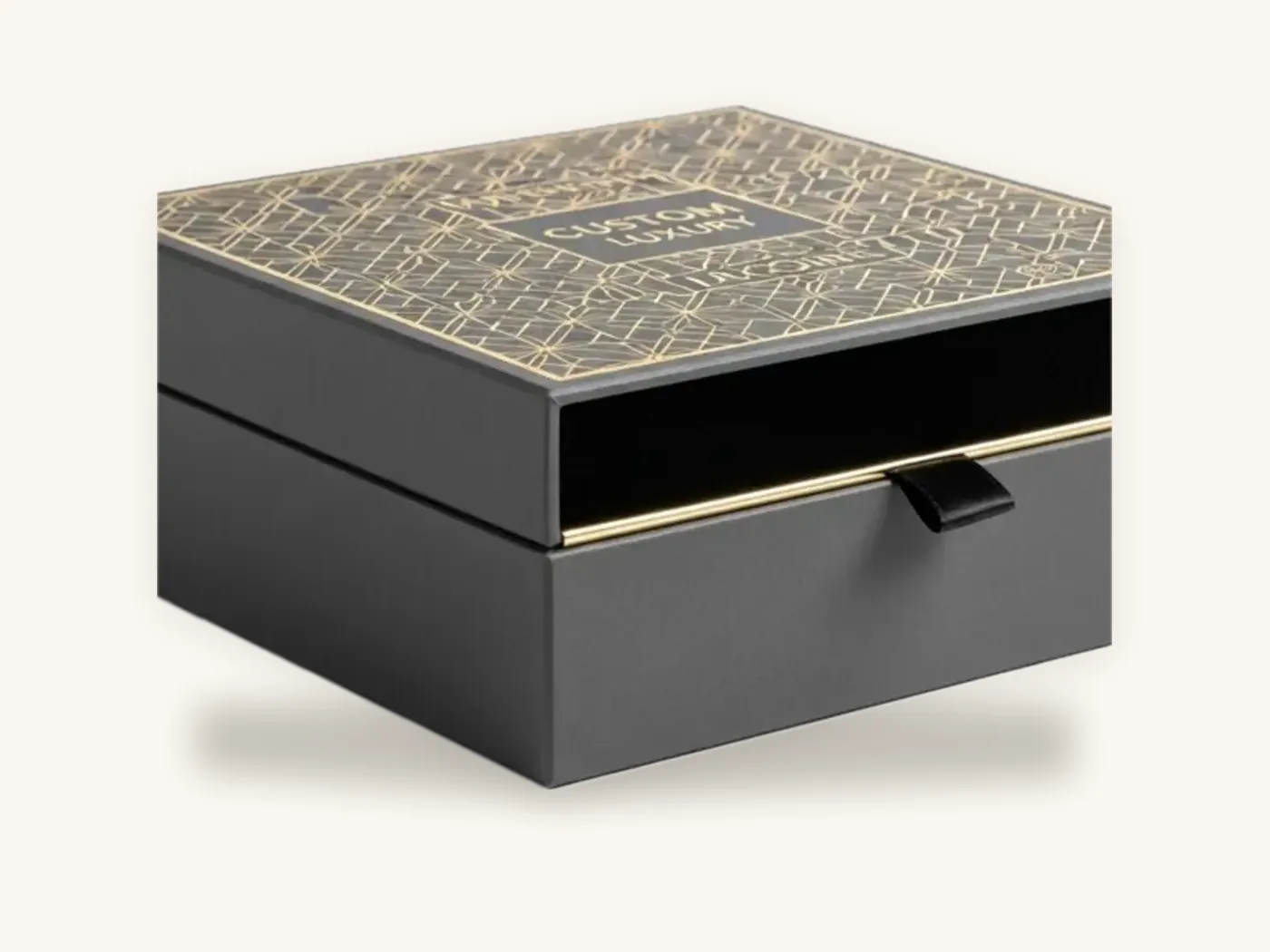
| Deluxe or collector | Core product plus upgrades | Rigid or magnetic box, premium insert | Corrugated shipper with snug fit | Low volume, high unit cost; tooling matters more |
| Add-ons | Extra accessories, expansions | Small cartons or sleeves | Ships inside the main shipper if sized for it | Decide a maximum add-on bundle per shipper |
| Retailer or bulk pledge | Multiple units | Retail boxes | Master shipping carton | Case pack counts must be agreed early |
Limit the number of shipper sizes
Every combination of tier and add-ons could suggest its own box. Resist that. Choose one or two shipper sizes that hold the most common bundles, and define a rule such as "up to two add-ons ship in the standard mailer; larger bundles ship in the deluxe shipper." Fewer sizes mean higher quantity per size and lower unit prices.
Building the Kickstarter packaging budget
A packaging budget needs more lines than the price of a box. Missing lines are what turn a funded campaign into a loss.
Packaging cost lines to include
| Cost line | What it covers | How to estimate |
|---|---|---|
| Retail or presentation box | The box the product lives in | Quote for your final size and finish |
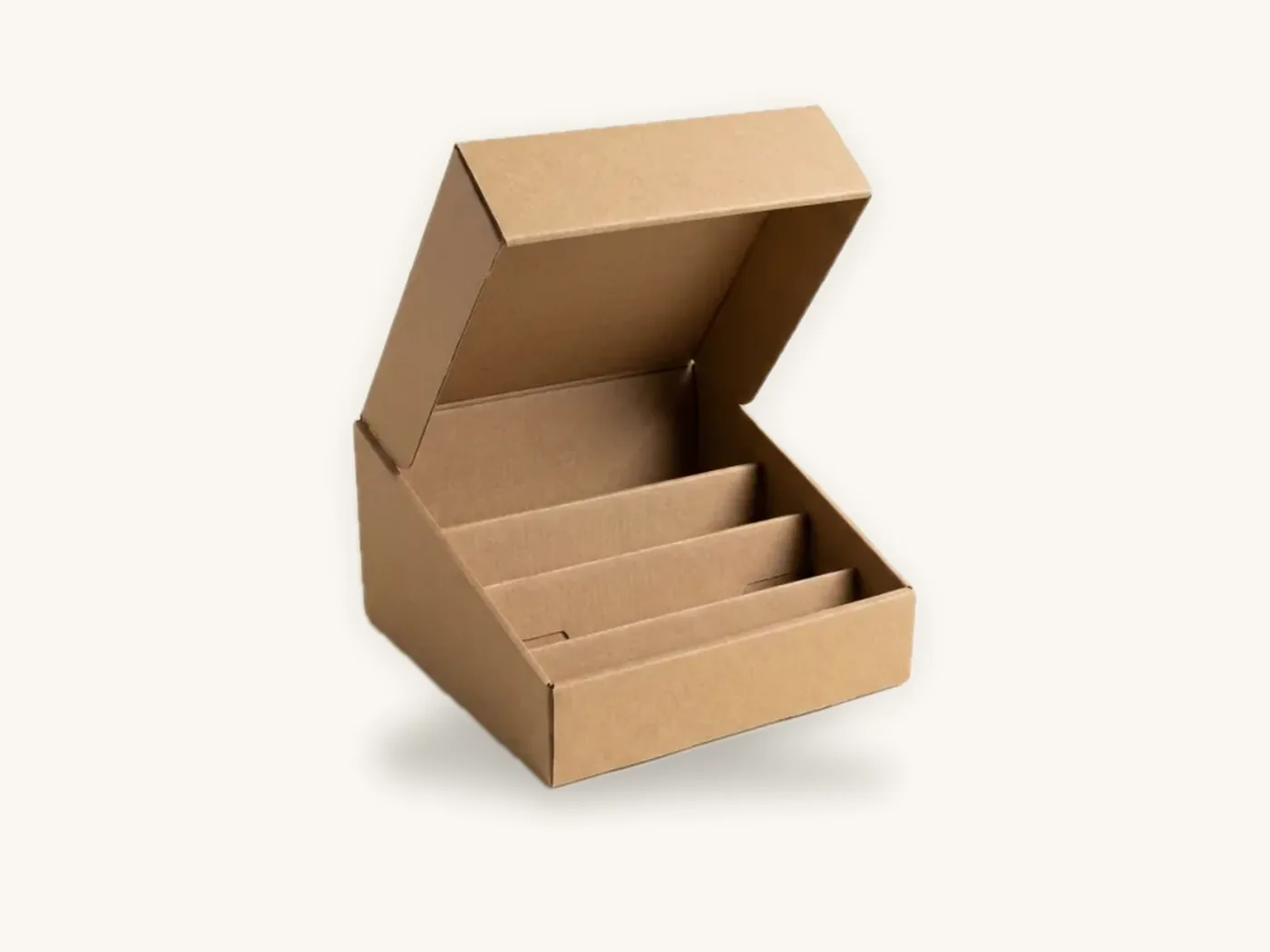
| Insert | Holds components in place | Included in some specs; custom insert dies about $45 one-time |
| Finishing tooling | Foil, embossing, spot UV | About $60 foil, $60 embossing, $40 spot UV, one-time |
| Shipper | Mailer or outer carton for transit | Price from the sheet or estimator per size |
| Void fill, tape, labels | Consumables at packing | Supplier quotes; small per unit but real in total |
| Spares | Extra boxes for damage, replacements and packing errors | A modest buffer above backer counts |
| Prototype and review units | Boxes for photos, videos and reviewers before launch | Short-run pricing at 10 units |
| Freight to fulfillment location | Moving packaging to where kitting happens | Free within the US from Box Sense; international quoted at cost |
For fuller cost modeling, including freight and storage, see our packaging landed cost guide.
Worked example: a 500-backer tabletop campaign
Say a campaign closes with about 400 standard backers and about 100 deluxe backers. The game's own retail box is quoted separately, since custom game boxes vary widely by size, board and finish. Here is how the other packaging lines look using indicative prices that include US shipping:
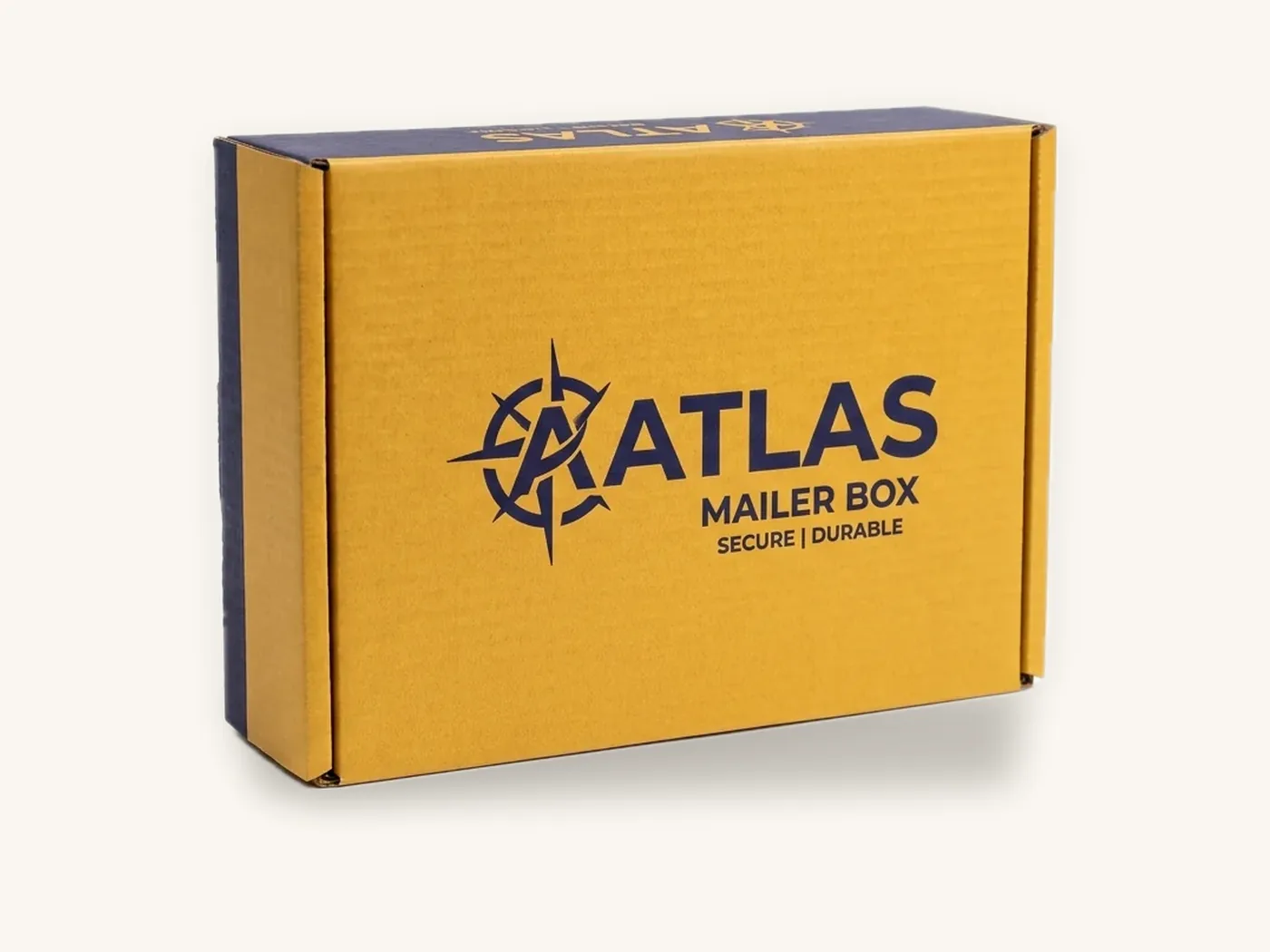
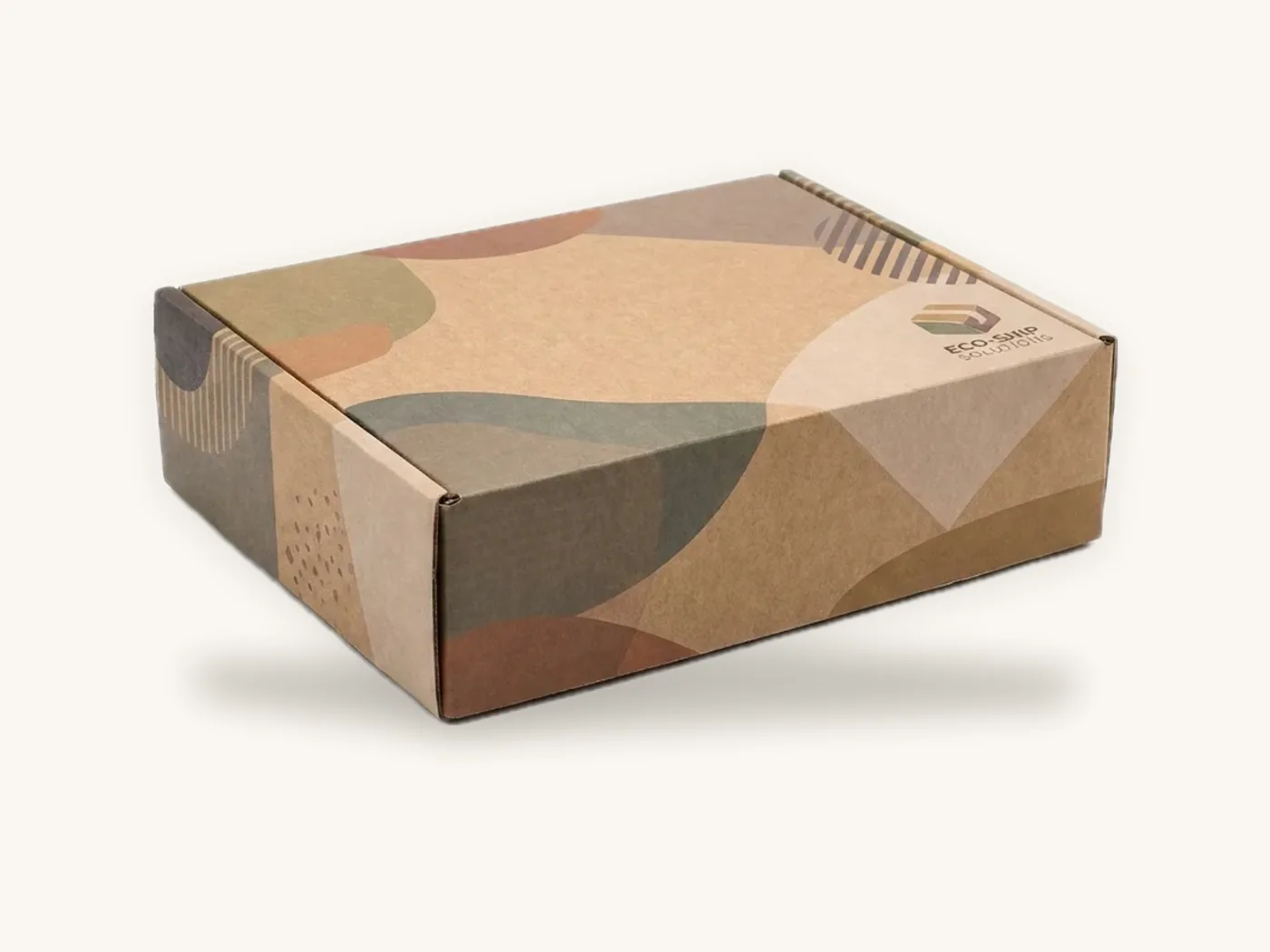
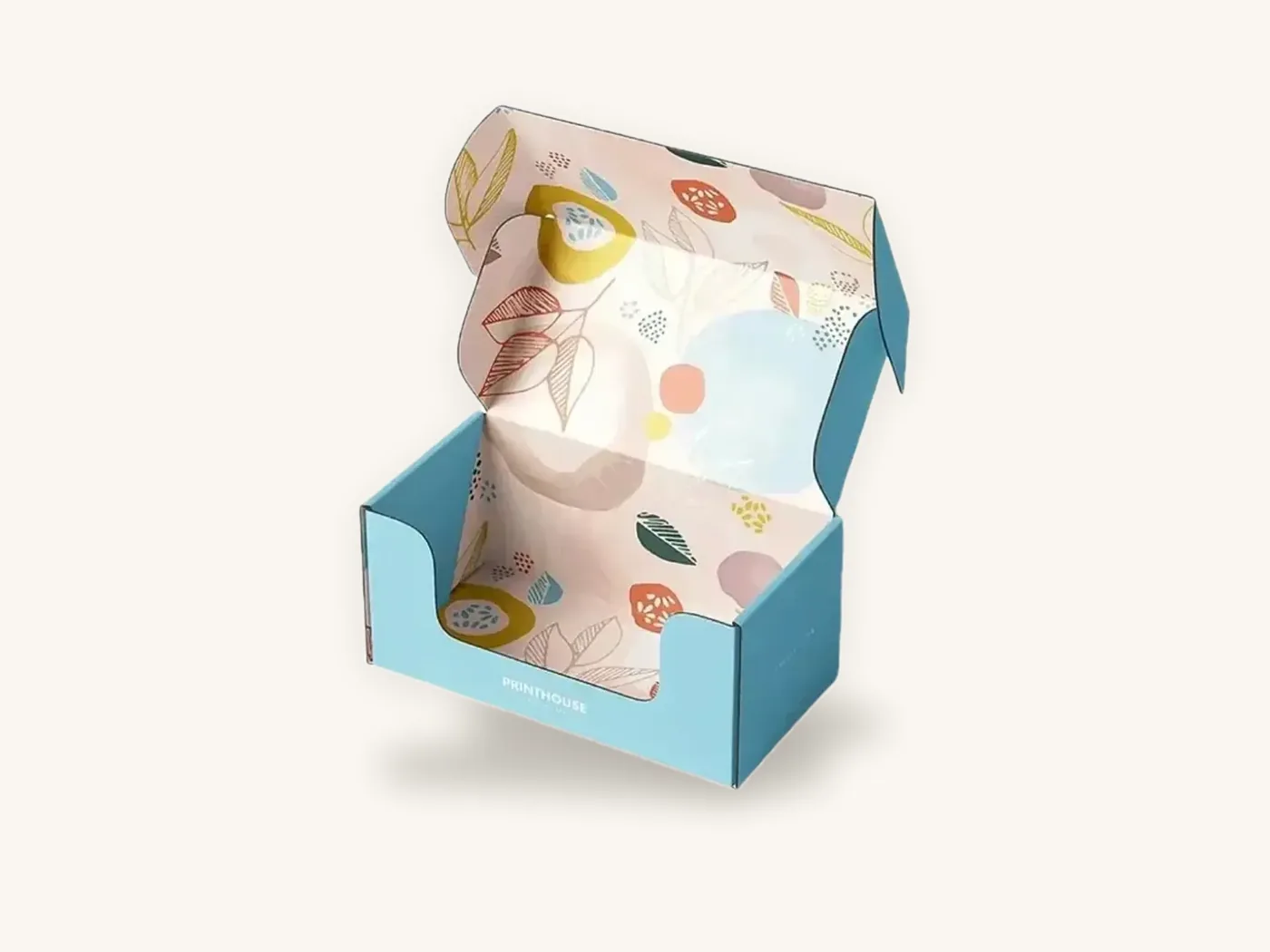
- Standard shippers: a 10x8x4 in E-flute custom mailer box printed inside and outside, ordered at 500 to cover 400 backers plus spares and add-on bundles, is about $2.31 each, roughly eleven hundred fifty dollars in total.
- Deluxe presentation boxes: a 10x8x3 in rigid magnetic box with soft-touch, foil and an insert is about $14.23 each at 100 units, roughly fourteen hundred twenty dollars. One-time foil tooling of about $60 and an insert die of about $45 add roughly one dollar per box across 100 units.
- Deluxe shippers: a 12x10x6 in B-flute shipping box printed one color is about $4.69 each at 100 units, roughly four hundred seventy dollars.
- Prototype and review boxes: ten mailers at about $6.54 each and ten rigid magnetic boxes at about $21.50 each, bought before launch for photography and reviewers.
Seen per backer, the deluxe tier carries far more packaging cost than the standard tier. That is fine if the pledge price reflects it. It is a problem if the deluxe tier was priced as "standard plus a few upgrades."
Watch for stretch-goal packaging creep
Stretch goals that sound small can change packaging cost for every backer. Suppose the standard tier started with an 8x6x3 in mailer printed outside only, about $1.41 at 500 units. A stretch goal adds components that require the 10x8x4 in size, and the team also decides to add inside printing, which together move the mailer to about $2.31. That is roughly ninety cents more per backer, or about four hundred fifty dollars across 500 boxes, before the cost of the extra components themselves.
Watch out: never announce a stretch goal that changes box size, adds finishes or adds components until you have re-priced the packaging and confirmed the product still fits. Ask for an updated quote first; it takes a day, and it prevents a public promise you cannot afford.
Use the instant price estimator to model tier and stretch-goal scenarios before launch.
Building a timeline backward from your delivery promise
Your delivery estimate is the fixed point. Work backward from it, adding every packaging step, then check whether the estimate is realistic.
The pre-campaign phase
Before the campaign goes live, you need enough packaging certainty to price tiers and show backers a credible reward.
- Measure the prototype as it will be packed, including components, rulebooks or accessories.
- Request a quote for each packaging component at your low, expected and high backer counts. Box Sense confirms quotes within 24 hours.
- Order unprinted structural samples, which are free, to confirm box and insert sizes with the prototype.
- Order a short printed run for campaign photos and review copies if you want real packaging on camera. The 10-box minimum makes this practical.
During the campaign
Use the campaign weeks to remove unknowns, so production can start soon after it ends.
- Finalize dielines for every component and place artwork on them.
- Review 3D digital proofs, with two revision rounds included in free design support. Our 3D mockups and proofs guide explains what to check.
- Re-price any stretch goal before announcing it.
- Confirm which fulfillment location will receive packaging.
After the campaign ends
| Step | What happens | Typical duration to plan for |
|---|---|---|
| Final counts | Backer surveys close; add-on and tier totals confirmed | Depends on your survey window |
| Final artwork approval | Last changes, proof approval | Days, if proofs were done during the campaign |
| Printed sample | A printed sample of approved artwork, free on orders of 100+ | Add time for production and delivery of the sample |
| Production | Boxes, inserts and shippers made | 8–12 business days after proof approval; rush in 5 business days on most paperboard and corrugated styles |
| Transit to fulfillment | Packaging shipped to your kitting location | Free US shipping; international quoted at cost |
| Kitting and packing | Product placed in boxes, bundles assembled, shippers sealed | Depends on volume and team or 3PL capacity |
| Carrier transit to backers | Domestic and international delivery | Varies by carrier, service and destination |
Packaging production is usually one of the shorter steps. Delays tend to come from late artwork changes, a product change that forces a new size, or packaging arriving after the product at the kitting location. Our custom packaging lead times guide breaks down each step in more detail.
Coordinate packaging with product manufacturing
Packaging should arrive at the kitting location before or with the product, never after. If your product is manufactured overseas and shipped to a US warehouse, time the packaging order so it lands a little ahead of the product. If products are packed into retail boxes at the factory, the retail boxes must reach the factory first, which changes the plan entirely. Decide this early.
Protecting backer rewards in transit
Backers who waited months for a reward are especially unforgiving of crushed corners. Collectors of games and limited editions often care about the retail box condition as much as the contents.
Retail boxes need a shipper
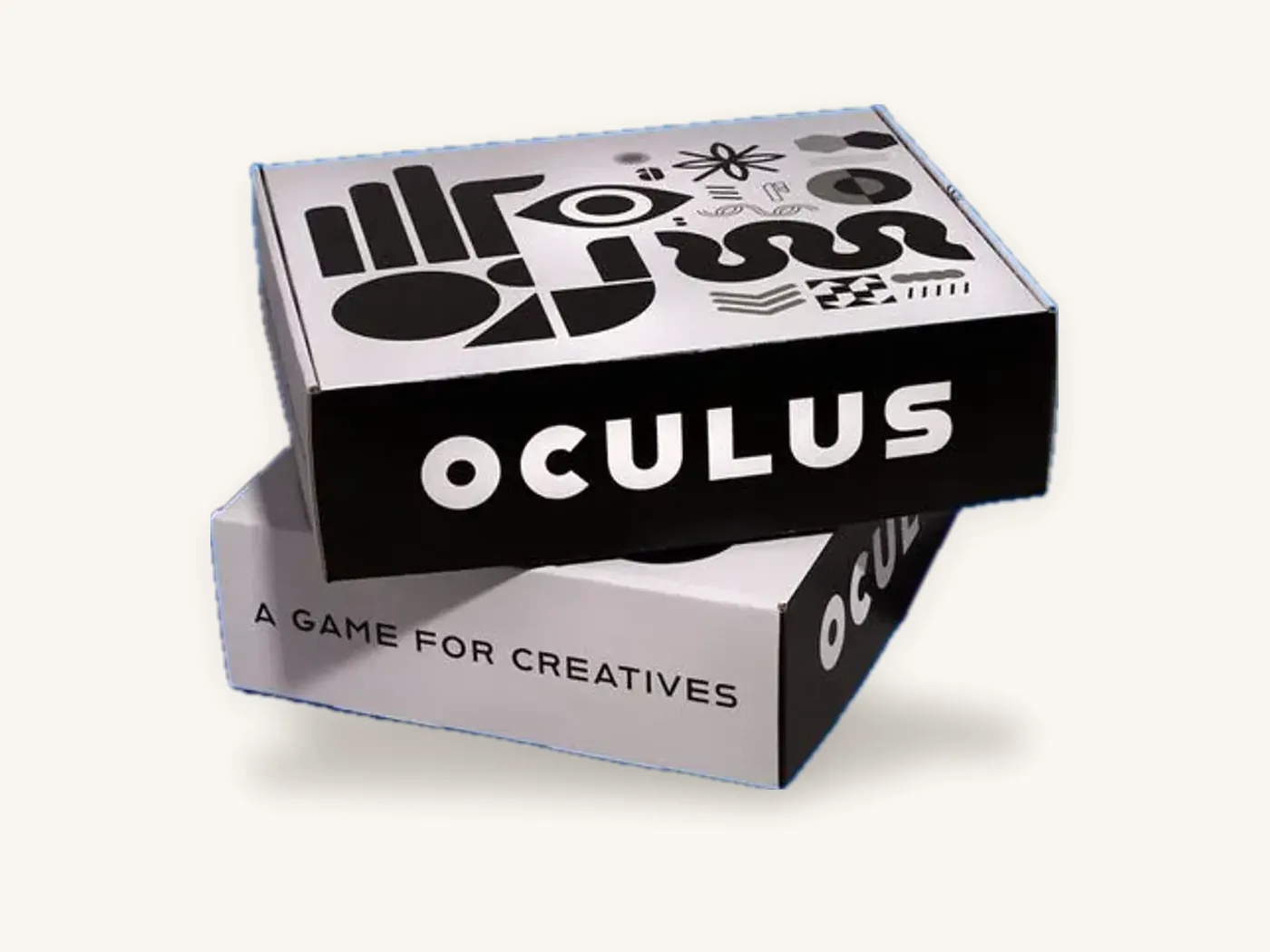
A printed game box or product carton is designed for shelves, not parcel networks. Ship it inside a mailer or corrugated box sized with a small, consistent clearance, and fill any gap so the retail box cannot slide into a corner. A snug mailer with a thin paperboard insert or corner protection usually performs better than an oversized box with loose fill.
Hold components still
Loose pieces rattling inside a game box can dent the lid from the inside and damage components. A die-cut box insert with wells for tokens, cards and dice keeps everything in place and makes the reward feel finished when opened. Our board game packaging guide covers insert layouts for tabletop products in depth.
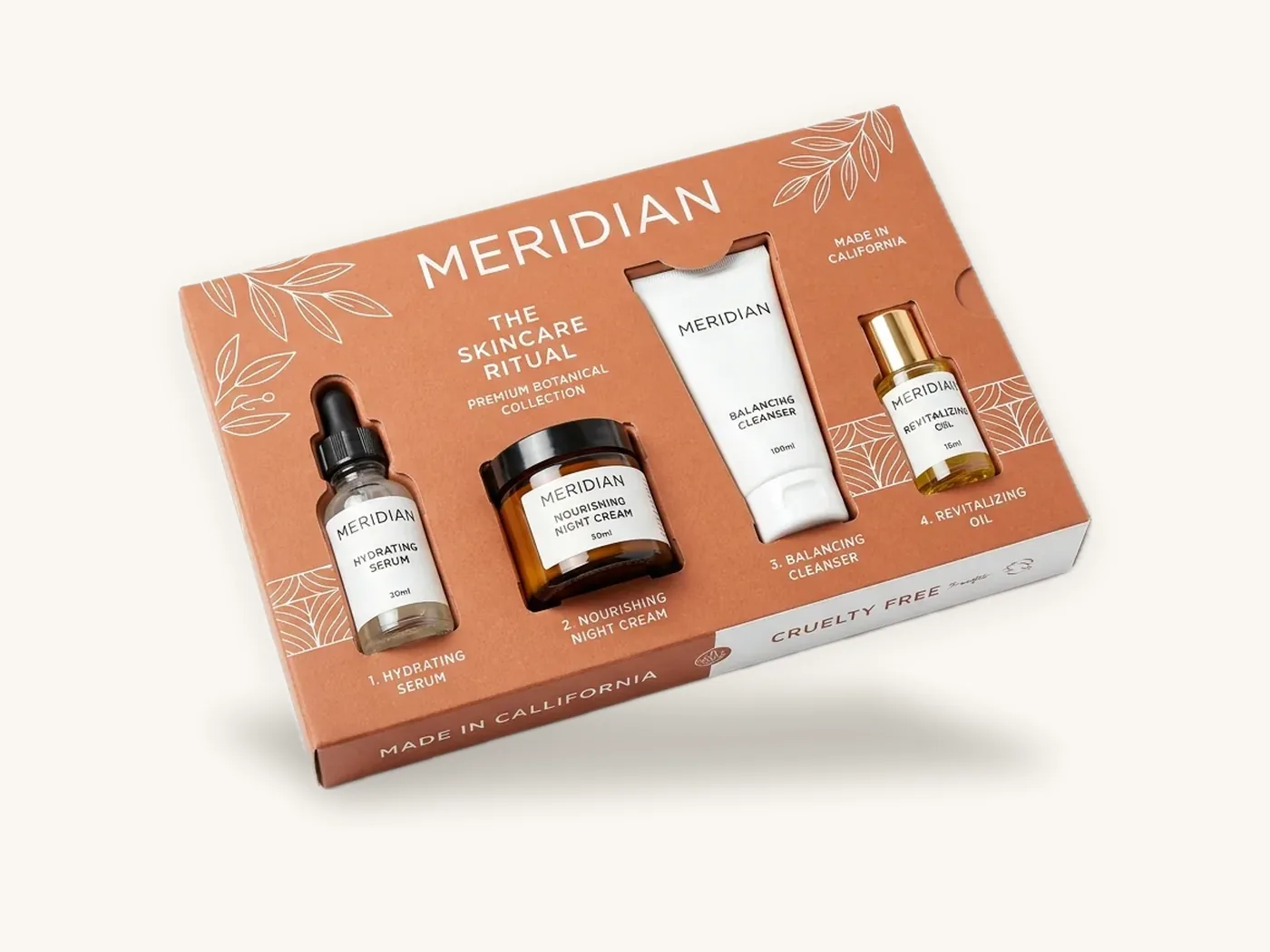
Test before the full run
- Pack a finished reward exactly as backers will receive it
- Shake it: nothing should move inside the retail box or inside the shipper
- Drop it from waist height on each face and one corner
- Ship a few to friends in distant states and, if you have international backers, abroad
- Inspect corners, lid edges and print on arrival
For more on damage prevention, see our guide to reducing shipping damage.
Crowdfunding fulfillment packaging: self-fulfill or partner
How rewards get packed shapes your packaging choices as much as the product does.
Self-fulfillment
Packing rewards yourself suits smaller campaigns. Choose boxes that assemble quickly without tape, such as roll-end tuck-front mailers, keep the number of sizes low, and set up a simple packing line. Think about storage: several hundred flat mailers take less space than you might expect, but assembled boxes and product pallets add up quickly.
Using a fulfillment partner
Larger campaigns and campaigns with many international backers often use a fulfillment partner or 3PL. Ask them early about box size limits, labeling requirements, how packaging should be delivered to their dock and how they handle damaged inventory. Our packaging for 3PL guide covers what warehouses typically need from your packaging.
International backers
International shipping costs are often driven by size and weight, so right-sized shippers matter more for campaigns with backers abroad. Customs declarations, duties and restricted items vary by country; confirm requirements with your carrier or fulfillment partner. Our international shipping packaging guide explains the packaging side, and dimensional weight explains how carriers price box volume.
Communicating with backers about packaging
Crowdfunding platforms generally expect creators to describe rewards honestly and keep backers informed about progress and delays. Review your platform's current rules and guidance directly, since policies can change.
Packaging gives you good update material: structural sample photos, 3D proofs, the printed sample and boxes coming off production. Share them. They show progress and set accurate expectations about what arrives. If a packaging change affects a reward, such as a different box structure, explain what changed and why.
Tip: photograph every packaging milestone, from the first unprinted sample to pallets leaving for your fulfillment location. A steady stream of real photos is reassuring for backers during the quiet months between campaign end and delivery.
If your product includes components for young children, toy safety rules apply to the product and its labeling. See our toy safety labeling guide for an overview, and confirm requirements with the CPSC or counsel.
After the campaign: retail and wholesale packaging
A successful campaign often leads to retail orders, conventions and a web store. Design the campaign packaging with that future in mind: leave room for a barcode, keep the retail box dimensions practical for shelves, and avoid campaign-only wording on the main box panels so leftover stock can sell later.
Our packaging for wholesale and retail guide covers retailer requirements, and packaging for trade shows covers convention and event packaging. The toys and games page shows structures commonly used for tabletop and hobby products.
How to order Kickstarter packaging from Box Sense
Box Sense manufactures game boxes, mailers, rigid boxes and inserts in-house, so every component in a reward can be designed, proofed and produced together.
What to send before launch
- Prototype dimensions and weight, packed as it will ship
- A reward tier matrix showing what ships in each tier
- Low, expected and high backer counts to price
- Retail box style and finishes, if known, or a request for recommendations
- Insert requirements: component list and sizes
- Shipper preferences, and whether add-ons ship together
- Your delivery estimate and fulfillment location
How the process works
- Quote within 24 hours at the counts you provide.
- Free design support: dielines, artwork setup, 3D digital proofs and two revision rounds. Our design services team can adapt campaign artwork to the dieline.
- Samples: unprinted structural samples are free. A printed sample of approved artwork is free on orders of 100 or more. See samples.
- Production: standard 8–12 business days after proof approval; rush in 5 business days on most paperboard and corrugated styles.
- Delivery: free shipping on every US order, international shipping quoted at cost.
The minimum order is 10 boxes, and there are no die or plate charges. One-time tooling applies only to foil, embossing, spot UV and custom inserts. Defective boxes reported within 14 days are reprinted free.
Frequently asked questions
When should I order packaging for a Kickstarter campaign?
Start before launch: get quotes and free structural samples so reward tiers are priced accurately. Develop dielines and 3D proofs during the campaign. Place the production order once backer surveys confirm final counts. Standard production is 8–12 business days after proof approval, so the main timing risk is late artwork or product changes, not production.
How much should I budget for crowdfunding packaging?
Budget per reward tier, covering the retail box, insert, shipper, finishing tooling, consumables, spares and prototype units. As a reference, a 10x8x4 in E-flute mailer printed inside and outside is about $2.31 per box at 500 units. Deluxe tiers with rigid boxes cost far more per backer, so price them accordingly before launch.
Do I need a shipping box if my product already has a retail box?
Usually yes. Retail boxes are designed for shelves, not parcel carriers, and corners dent easily in transit. Ship the retail box inside a snug mailer or corrugated shipper, with an insert or filler so it cannot slide. Backers who collect games or limited editions often care about the retail box arriving in perfect condition.
How many extra boxes should I order for backer rewards?
Order a modest buffer above your final backer count to cover packing mistakes, damaged units and replacements for rewards lost in transit. The right amount depends on how fragile the reward is and whether a reorder would delay replacements. Because unit prices fall at higher tiers, check whether rounding up to the next tier costs little extra.
Can I get packaging samples before my campaign ends?
Yes. Unprinted structural samples are free and can be ordered before launch to confirm sizes with your prototype. A short printed run from 10 boxes works for campaign photos and review copies. A printed sample of approved artwork is free on orders of 100 or more, which suits the step between final approval and full production.
What box is best for shipping board game rewards?
A corrugated mailer or shipping box sized with a small, even clearance around the game box works well, with a thin insert or corner protection so the game cannot shift. E-flute mailers suit most single games; heavier bundles or deluxe editions may need B-flute. Test a packed reward with drop and shake tests before the full run.
How do stretch goals affect packaging costs?
Stretch goals that add components, increase box size, or add finishes such as foil or inside printing can raise packaging cost for every backer. Some also require new inserts or tooling. Re-price the packaging and confirm fit with a structural sample before announcing any stretch goal that changes what ships or how it is boxed.
Next steps
Build your reward tier matrix, measure the prototype as it will ship, and price low, expected and high backer counts in the packaging price estimator. Then request a Kickstarter packaging quote before launch, and we will confirm pricing within 24 hours and send free structural samples for your prototype.
Boxes in this guide
Order the packaging we covered
Written by the Box Sense Packaging Team
Our structural designers, prepress technicians and production staff print and convert custom boxes every day for brands in the United States, United Kingdom and UAE. Questions about this guide? Talk to us.